
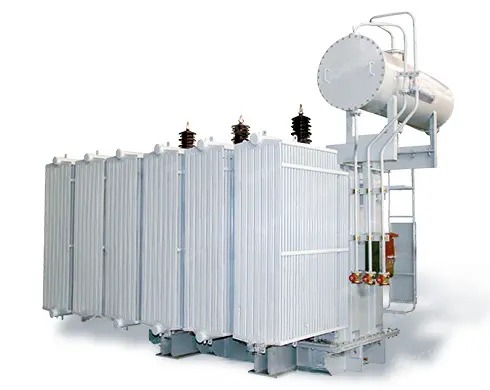
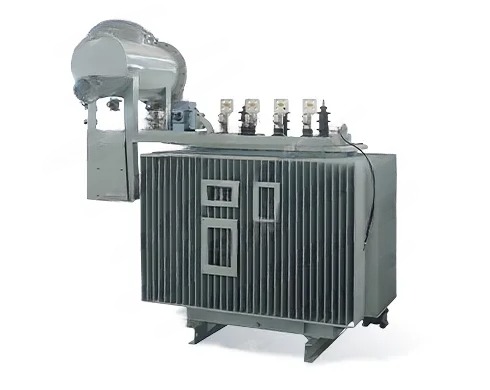
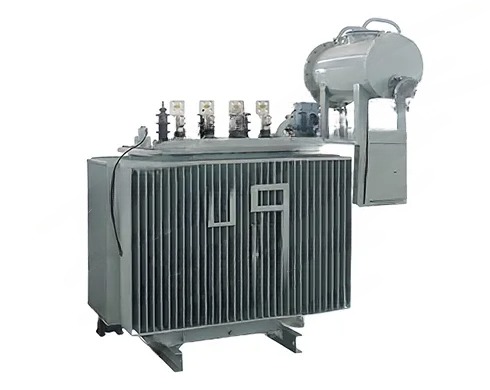
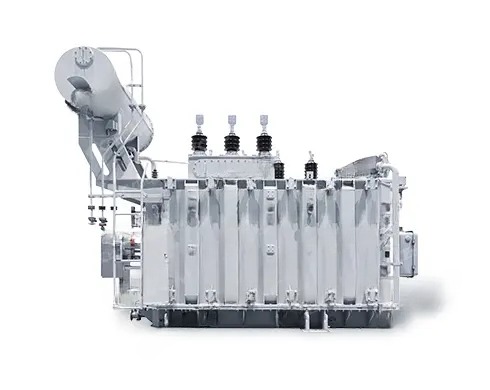
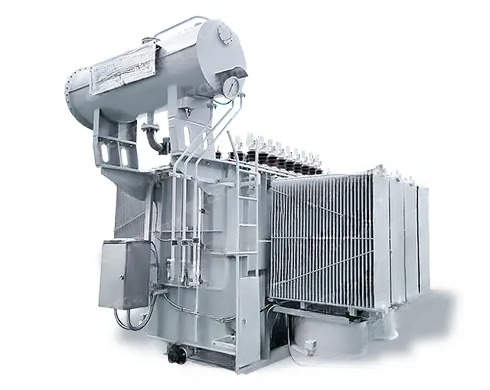
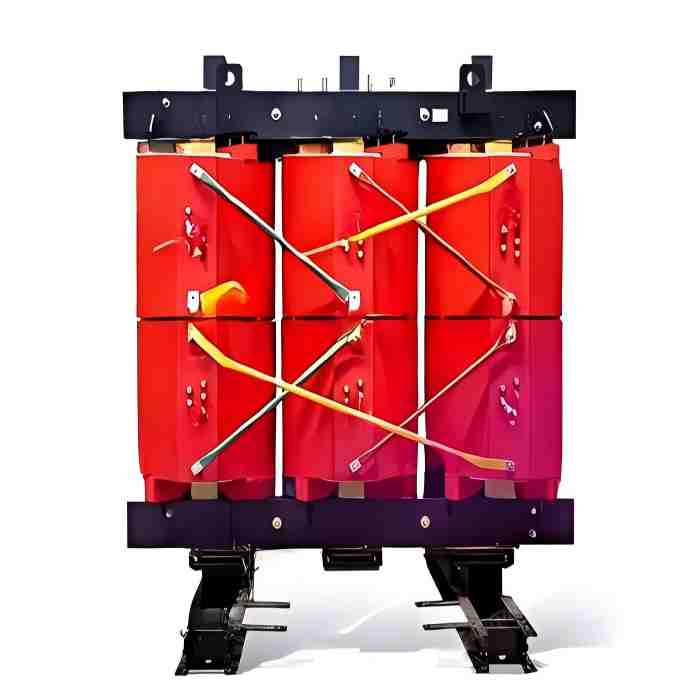
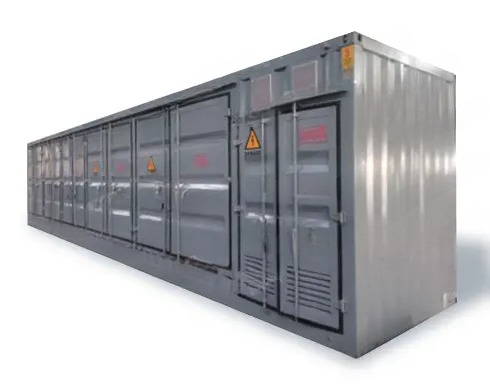
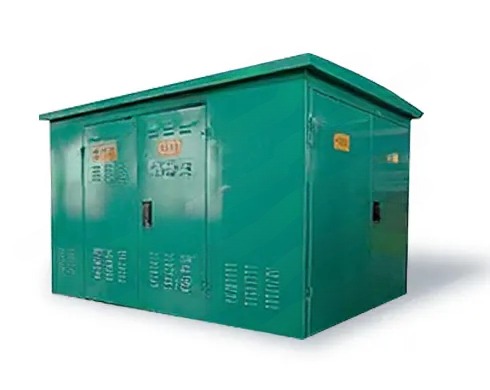
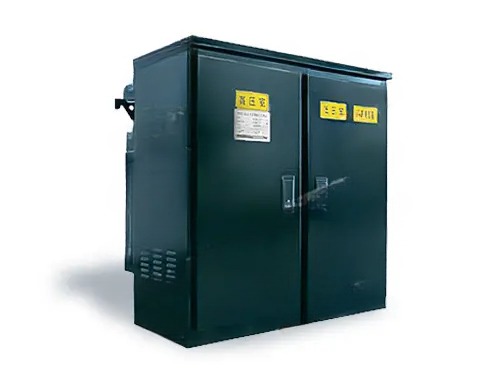
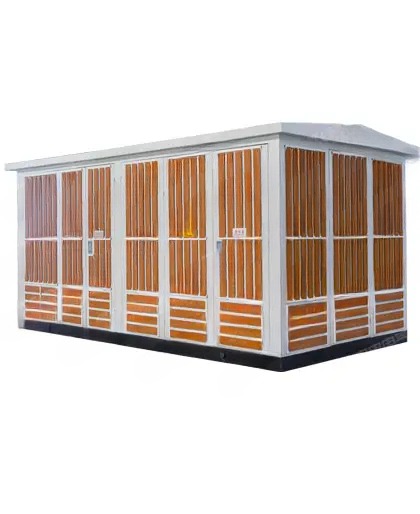
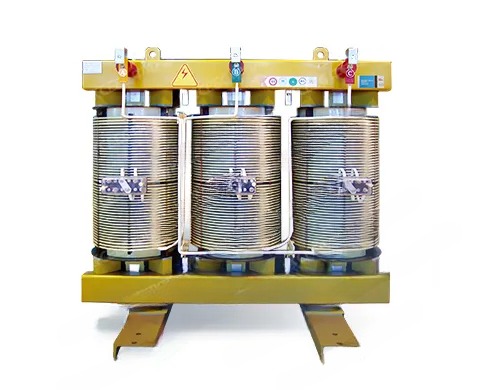
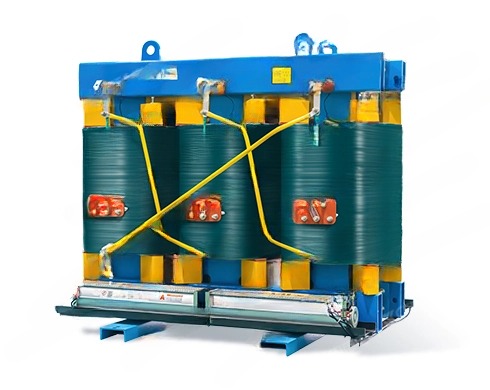
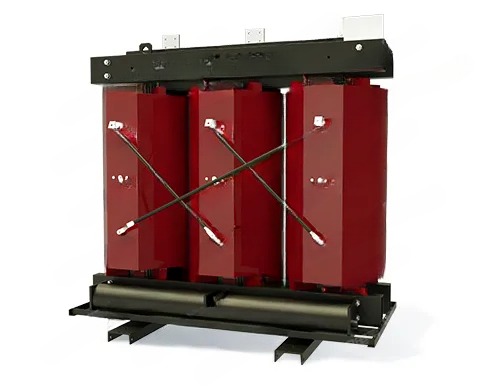
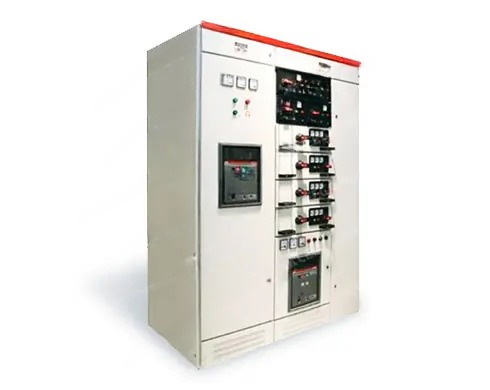
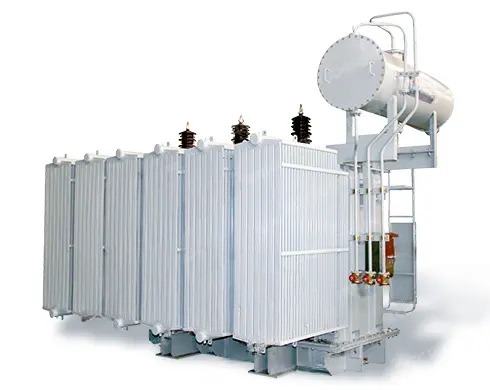
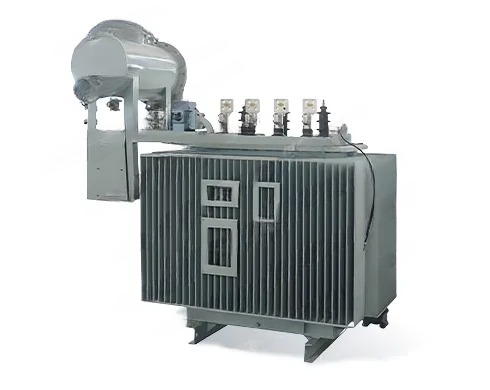
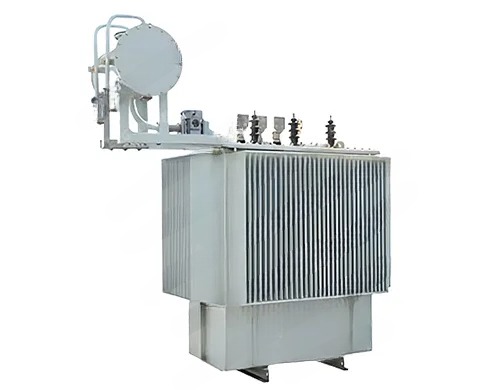
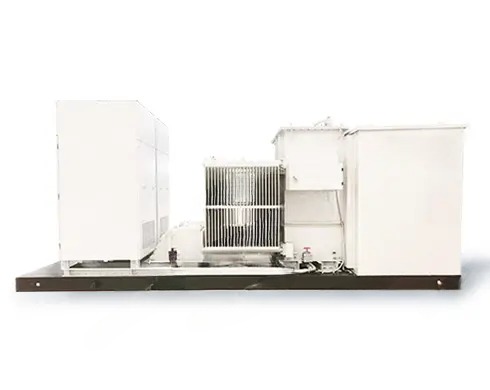
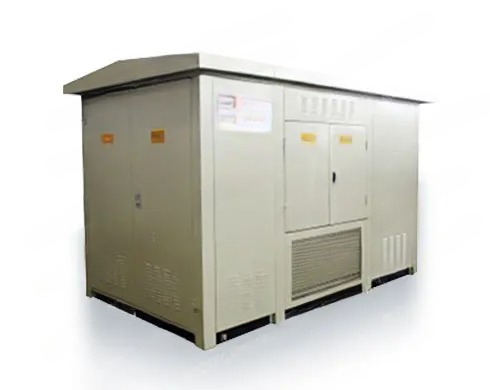
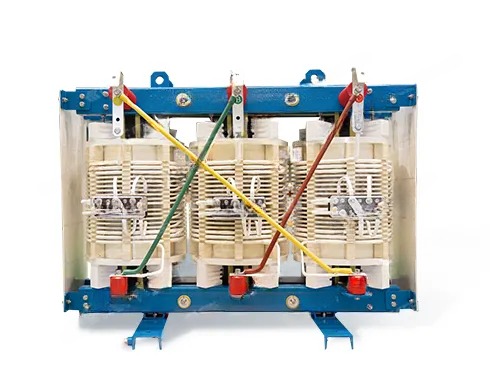
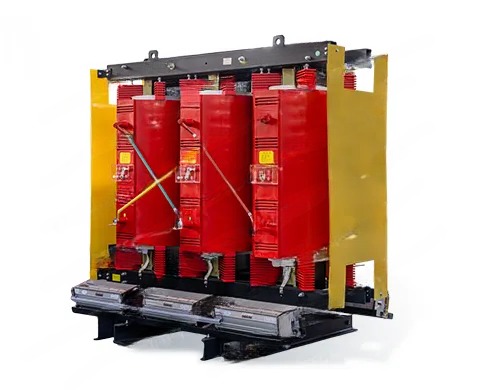
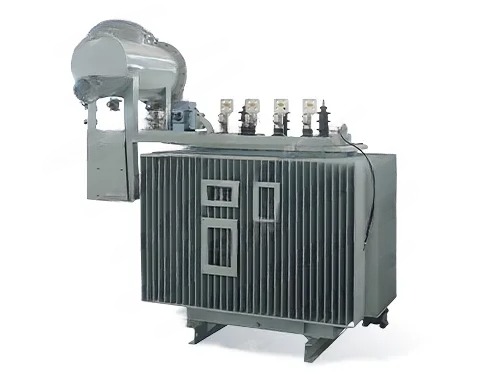
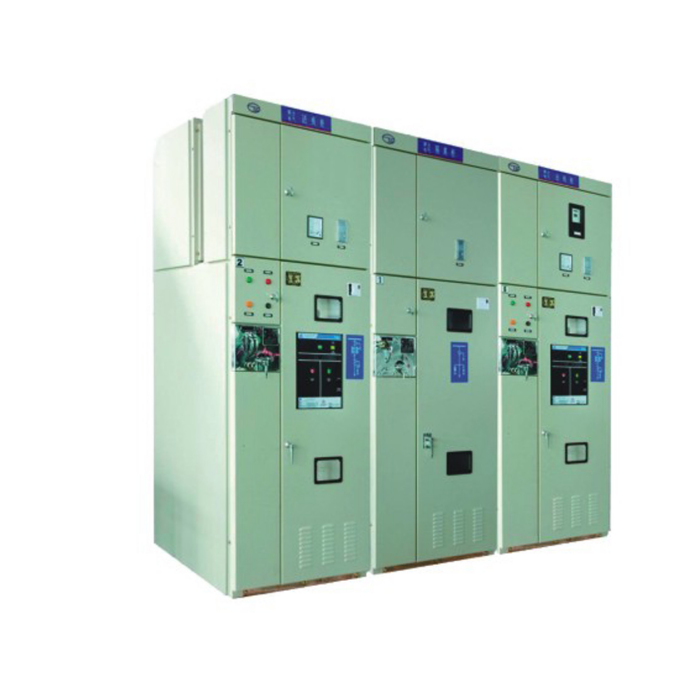
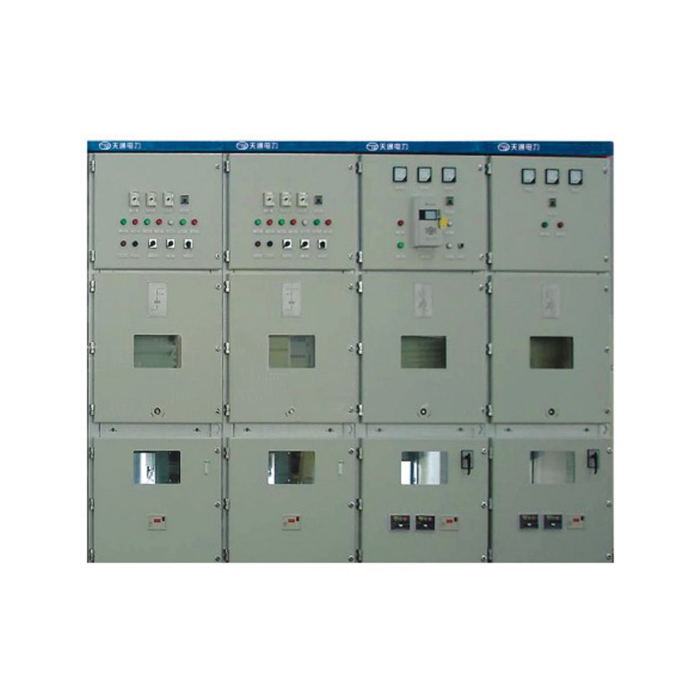
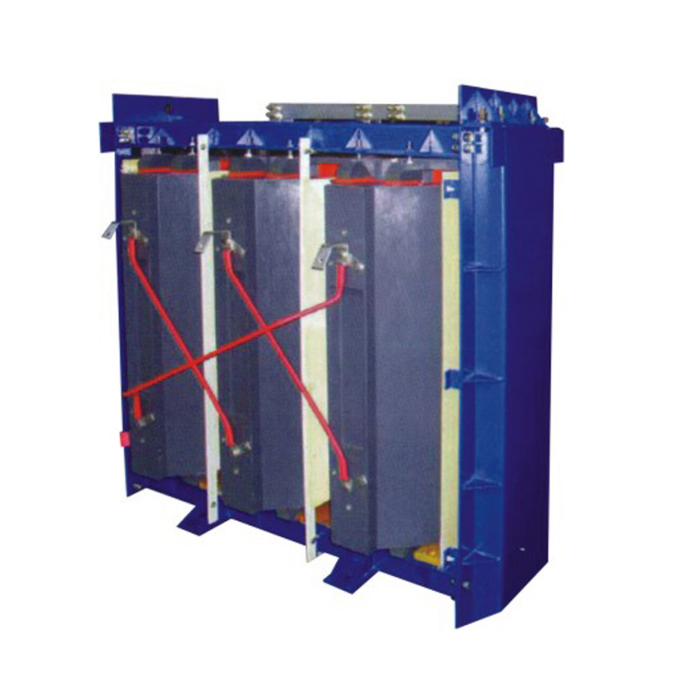
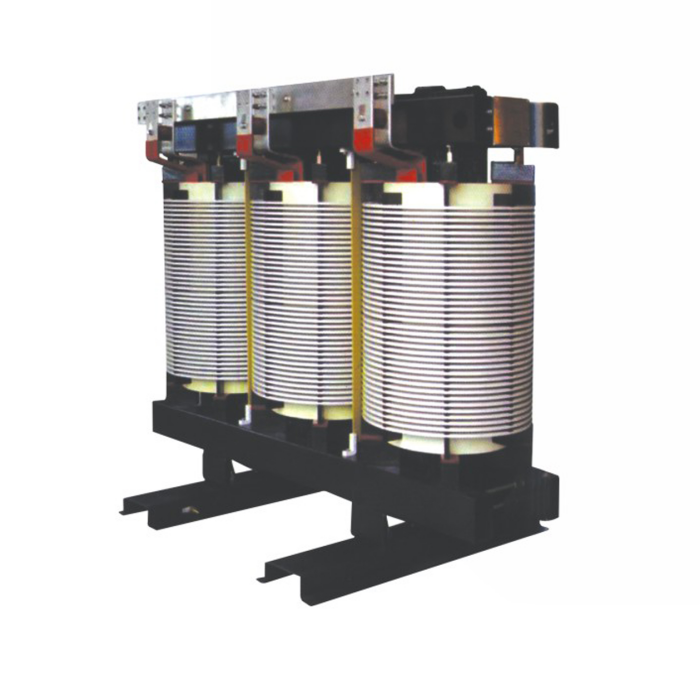
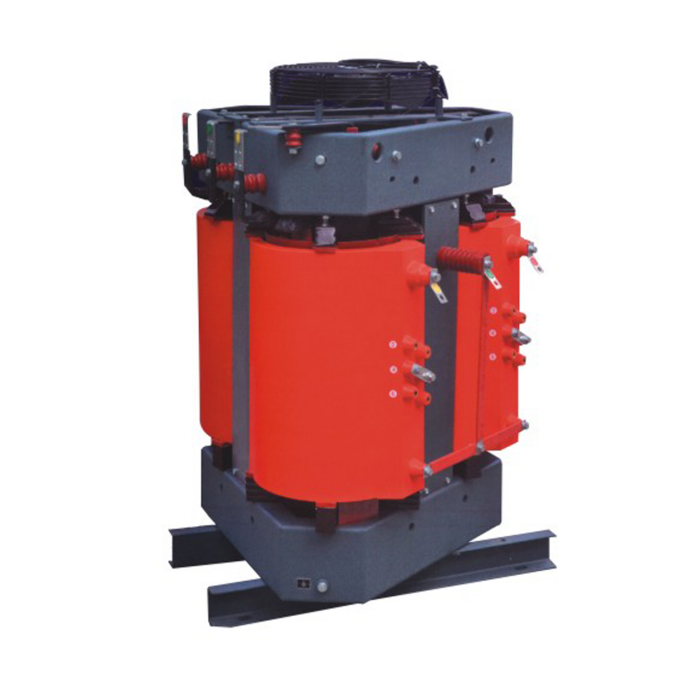
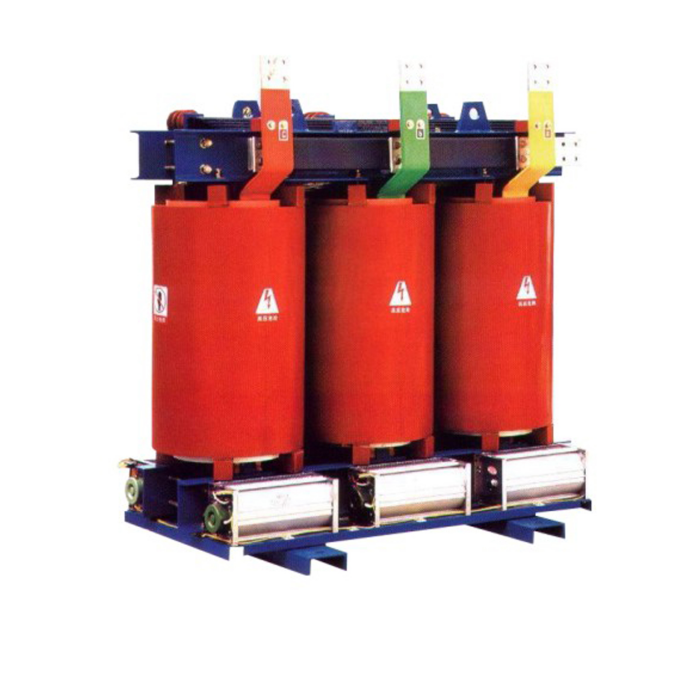
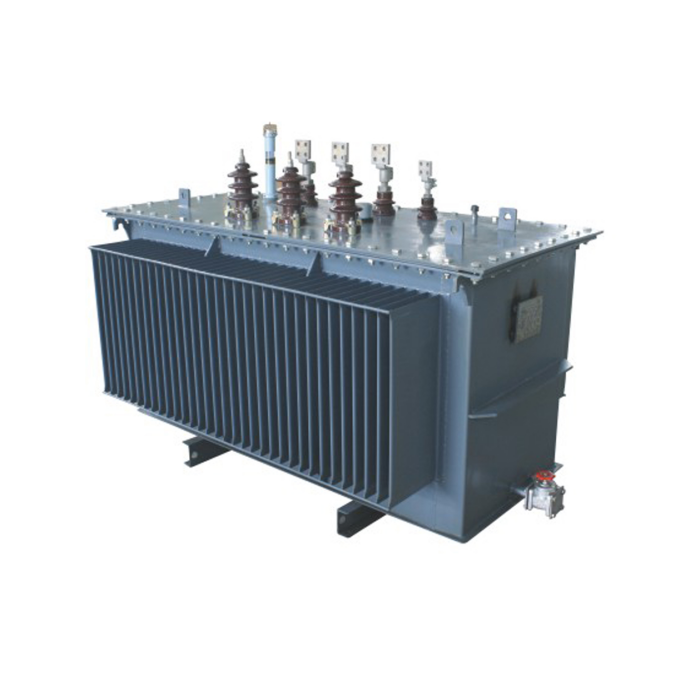
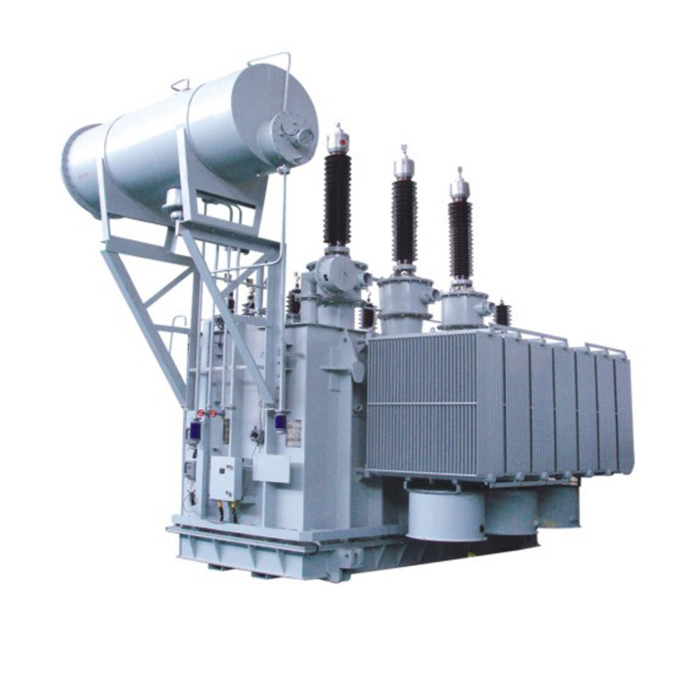
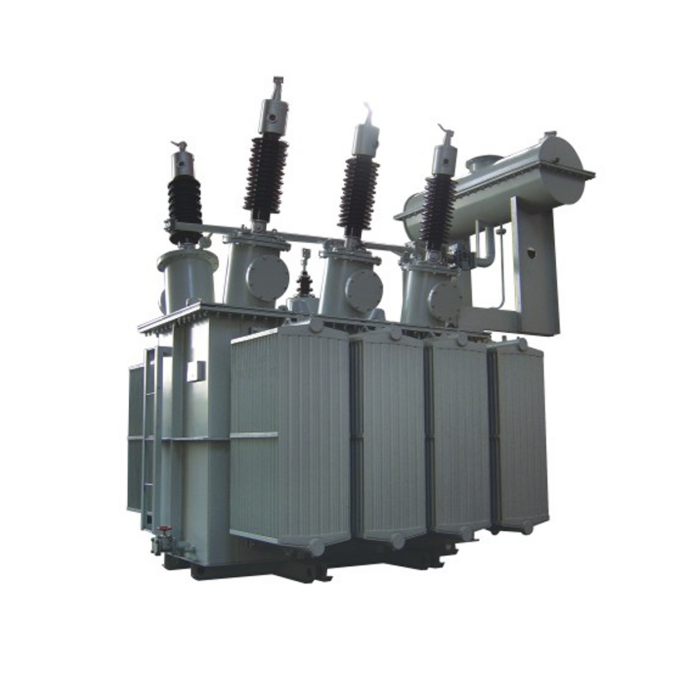
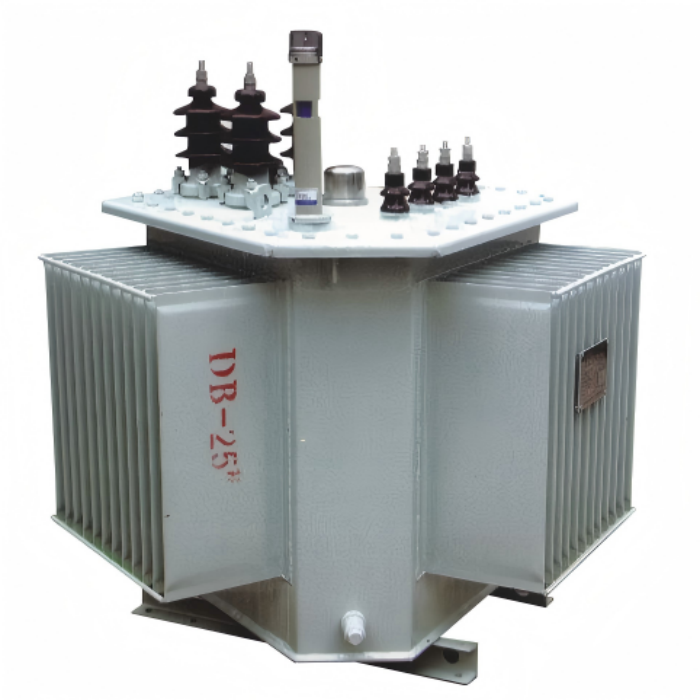
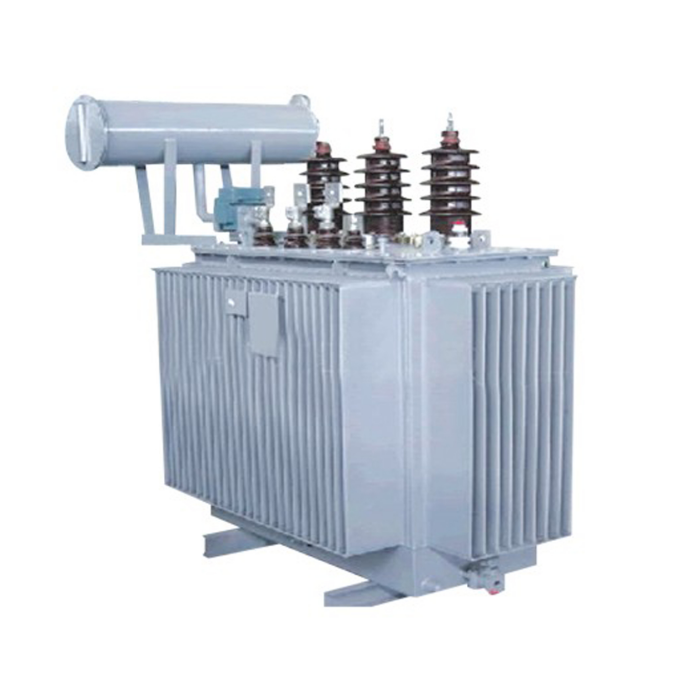
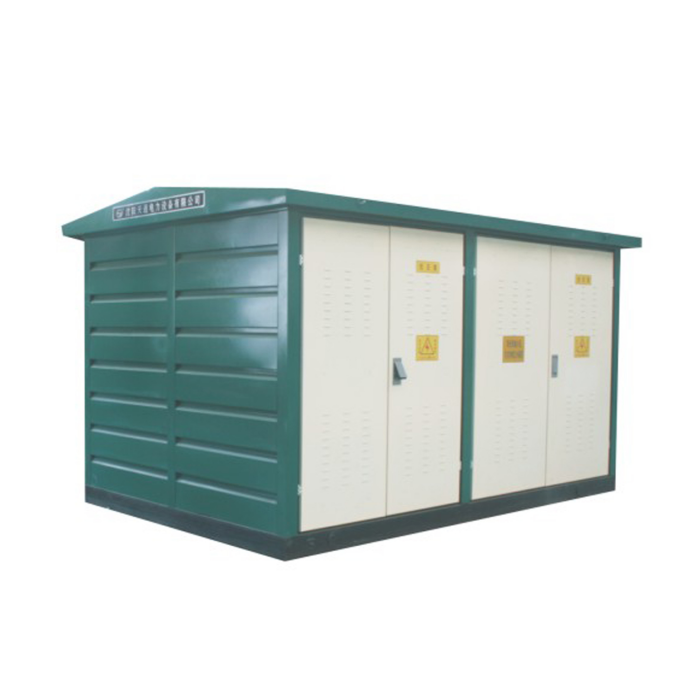
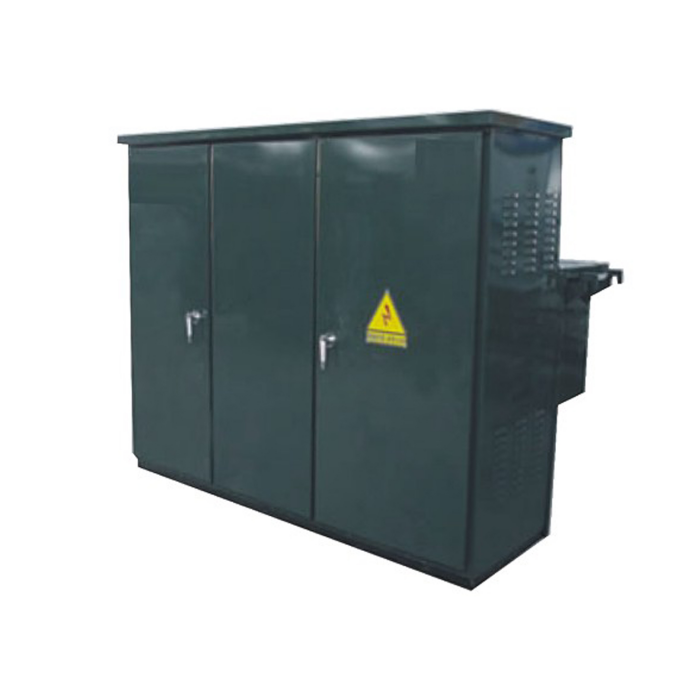
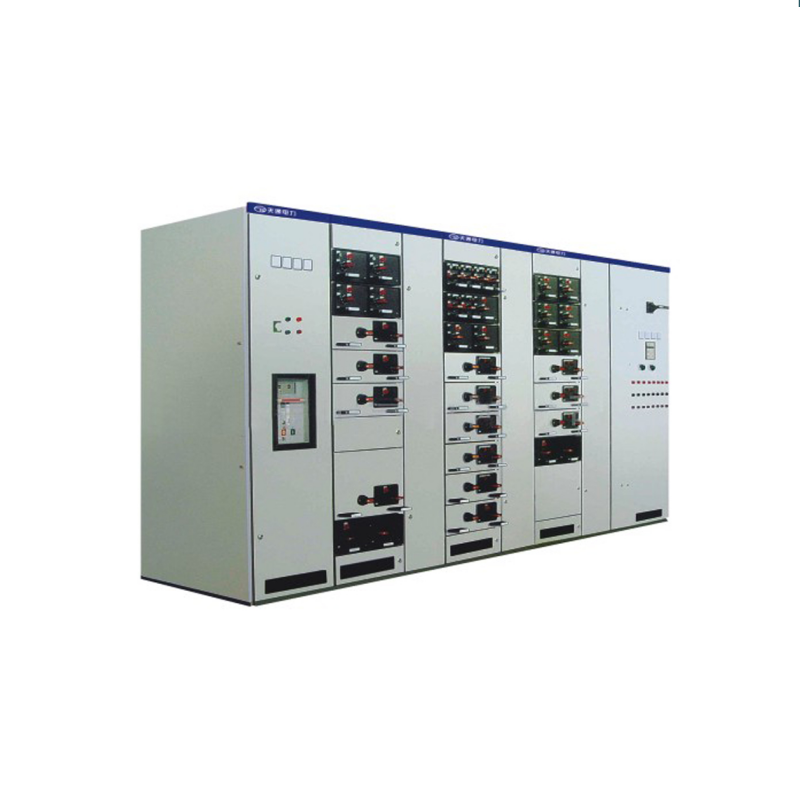
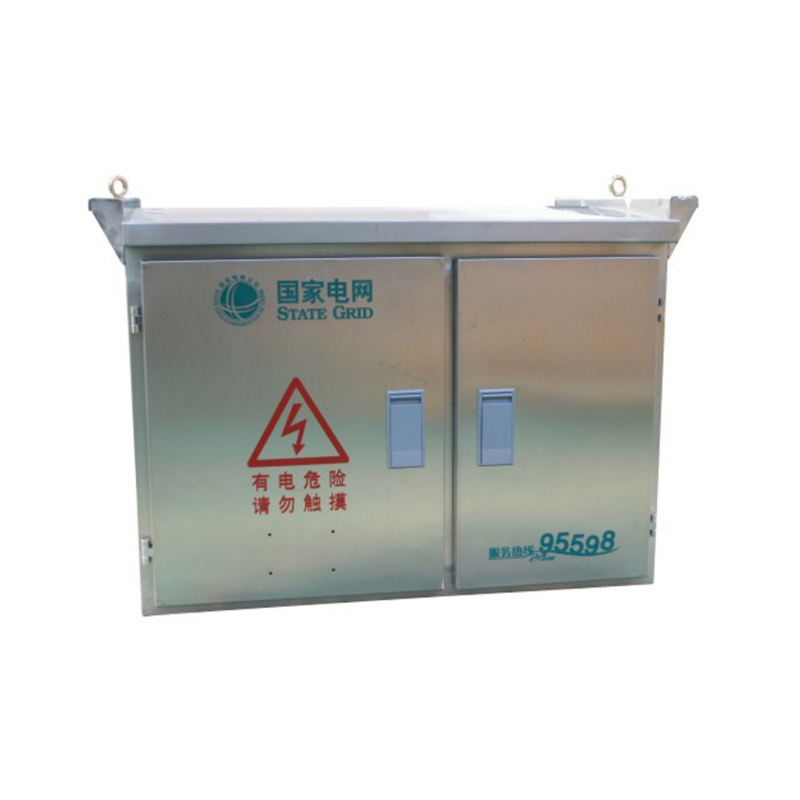
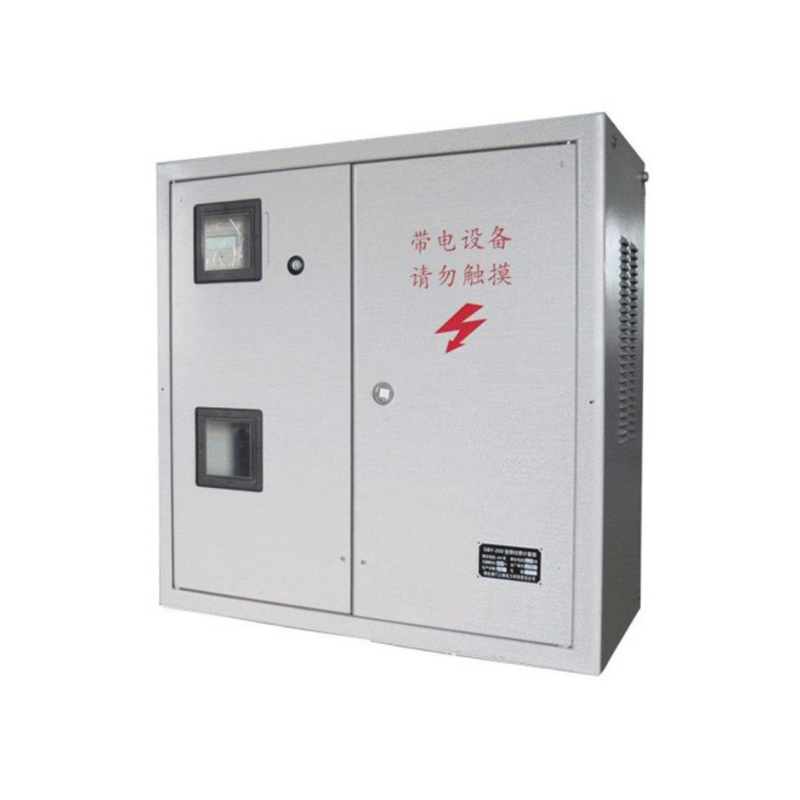
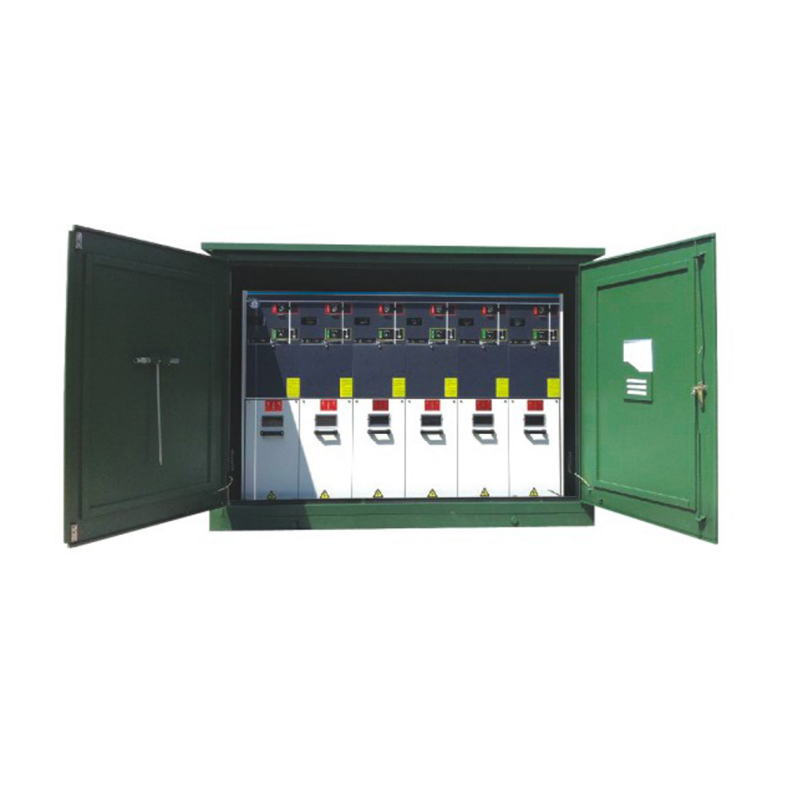
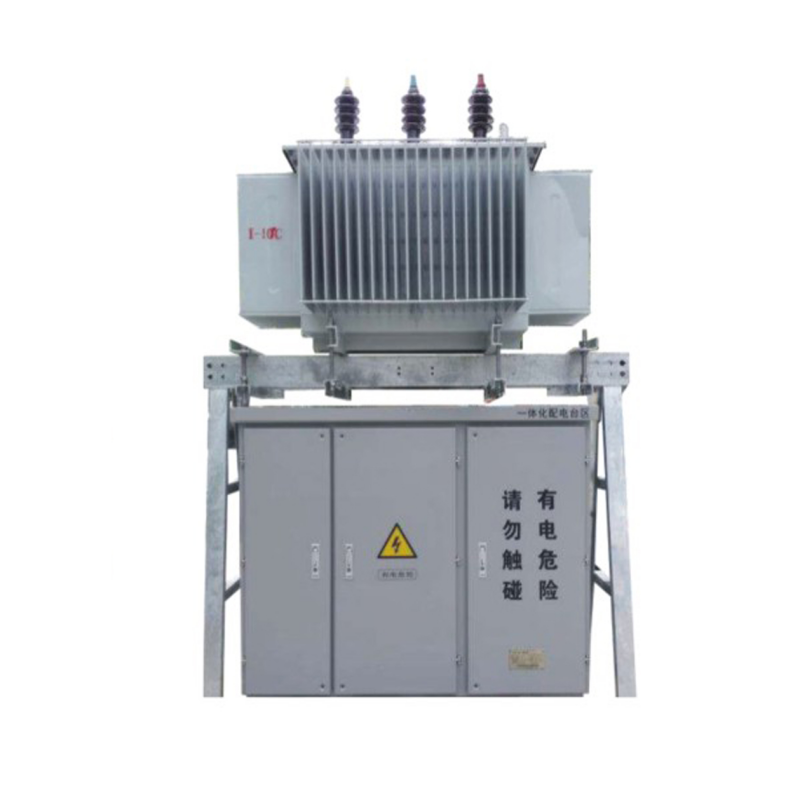
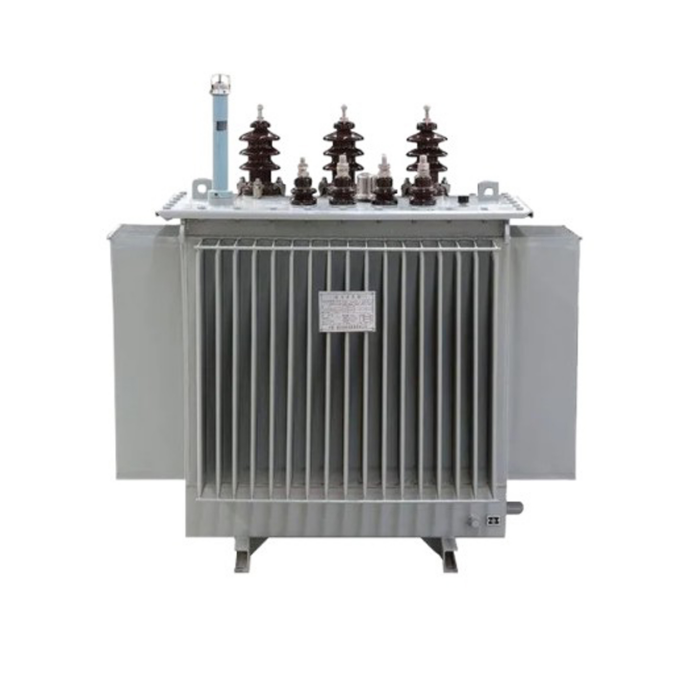
The primary difference between oil-immersed transformers and dry-type transformers lies in their insulation and heat dissipation methods. Oil-immersed transformersutilize transformer oil for both insulation and cooling, offering advantages such as high capacity, strong overload capability, low cost, and a long service life. In contrast, dry-type transformers employ epoxy resin or other solid insulation materials and rely on air cooling, providing benefits such as excellent fire resistance, ease of maintenance, safety, and environmental friendliness. Consequently, oil-immersed transformers are better suited for outdoor and heavy-duty industrial environments, whereas dry-type transformers are more appropriate for densely populated indoor locations such as shopping malls, hospitals, schools, and data centers.
What is the function of a distribution transformer?
The distribution transformer is a core component of the power distribution system. It is primarily responsible for stepping down the 10 kV high-voltage electricity transmitted by the grid to 380 V/220 V low-voltage electricity, thereby providing a stable power supply for factories, commercial buildings, residential complexes, and various types of electrical equipment.
Common capacity ratings include:
50 kVA
100 kVA
200 kVA
400 kVA
630 kVA
800 kVA
1000 kVA
1250 kVA
1600 kVA
2000 kVA
The choice of transformer capacity directly impacts power supply stability, investment costs, and long-term operational efficiency.
What is an oil-immersed transformer?
Oil-immersed transformers are currently the most widely used type of distribution transformer globally; their cores and windings operate while submerged in transformer oil.
Transformer oil performs two critical functions:
Electrical insulation
Heat dissipation
Consequently, oil-immersed transformers offer excellent heat dissipation and high load-bearing capacity.
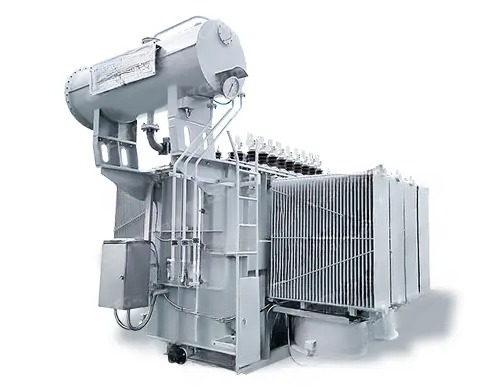
Key components of an oil-immersed transformer
The main structural components include:
Core
High- and low-voltage windings
Transformer oil
Tank
Radiator
Oil conservator (expansion tank)
Gas relay (Buchholz relay)
High- and low-voltage bushings
Among these, the gas relay is the most important safety protection device.
Light gas protection
When localized overheating or insulation aging occurs inside the transformer, small amounts of gas are generated, triggering an alarm signal from the gas relay.
Heavy gas protection
In the event of severe faults—such as inter-turn short circuits or core failures—large volumes of gas and surges in oil flow are generated, causing the relay to trip immediately and cut off the power supply.
Advantages of Oil-Immersed Transformers
Lower Cost: For the same capacity, the purchase cost is typically 30% to 50% lower than that of dry-type transformers.
Strong Overload Capability: Capable of withstanding significant short-term overloads, making them ideal for industrial production and the startup of large-scale machinery.
Excellent Heat Dissipation: Transformer oil has much higher thermal conductivity than air, resulting in lower temperature rise and more stable operation.
Long Service Life: With proper maintenance, the service life typically exceeds 25 to 30 years.
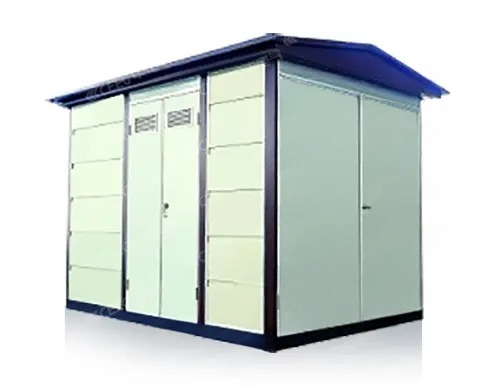
Strong Outdoor Adaptability: Suitable for long-term outdoor installation and operation; ideal for rural power grids, industrial parks, and box-type substations.
Disadvantages of Oil-Immersed Transformers
Fire risk
Transformer oil is a combustible medium, requiring the installation of fire protection facilities and emergency oil containment pits.
Extensive maintenance requirements
Regular tasks include:
Oil level checks
Oil quality testing
Oil filtration/purification
Seal inspections
Strict environmental requirements
Oil leaks can lead to soil and groundwater contamination.
Relatively high noise levels
Operating noise typically ranges from 60 to 70 dB.
What is a dry-type transformer?
Dry-type transformers do not use transformer oil; instead, they employ epoxy resin-cast windings for insulation and dissipate heat through natural air cooling or forced-air cooling.
Due to the absence of an oil medium, they are widely used in power supply systems within buildings.
Main Components of Dry-Type Transformers
Key components include:
Iron core
High- and low-voltage windings
Epoxy resin encapsulation layer
Cooling fans
Intelligent temperature control system
Protective enclosure
The core safety control device is the temperature monitoring system.
When winding temperatures rise:
80°C: Fans start
90°C: Pre-alarm issued
130°C: Alarm triggered
155°C: Automatic trip
This effectively prevents insulation damage.
Advantages of Dry-Type Transformers
Excellent fire resistance: Contains no combustible oil-based media; no risk of oil explosions during short-circuit events.
Flexible installation: No need for auxiliary facilities such as oil containment pits or fire-resistant partition walls.
Simple maintenance: No oil changes or oil quality testing required; maintenance is limited to periodic dust cleaning and fan inspections.
Environmentally friendly: No risk of oil leakage or associated pollution.
Low operating noise: Typically about 10 dB quieter than oil-immersed transformers.
Disadvantages of Dry-Type Transformers
Higher initial investment: For the same capacity, the price is typically 1.5 to 2 times that of oil-immersed transformers.
Weaker overload capacity: Unsuitable for operating conditions involving frequent heavy loads or surge loads.
Slightly shorter service life: Typical lifespan is 20 to 25 years.
Poorer environmental adaptability: Sensitive to humidity, dust, and corrosive environments.
Comparison between Oil-Immersed Transformers and Dry-Type Transformers
Comparison Item | Oil-immersed transformer | Dry-type transformer |
Insulation Method | Transformer oil | Epoxy resin |
Cooling Method | Oil-cooled | Air-cooled |
Fire Resistance | Moderate | Excellent |
Capacity Range | Up to over 100 MVA | Typically below 2500 kVA |
Overload Capability | High | Moderate |
Service Life | 25–30 years | 20–25 years |
Procurement Cost | Lower | Relatively high |
O&M Cost | Higher | Relatively low |
Environmental Performance | Moderate | Excellent |
Installation Environment | Primarily outdoor | Primarily indoor |
How to choose between oil-immersed and dry-type transformers?
Scenarios where dry-type transformers are recommended:
Shopping malls
Hospitals
Schools
Hotels
Office buildings
Subway stations
Data centers
Underground distribution rooms
These locations typically have strict fire safety requirements.
Scenarios where oil-immersed transformers are recommended:
Industrial parks
Manufacturing plants
Mines
Rural power grids
Box-type substations
Outdoor transformer installations
These projects prioritize cost-effectiveness, weather resistance, and long-term operational reliability.
How should transformer capacity be selected?
In engineering practice, the following empirical formula can be used:
S ≈ 1.25P
Where:
S: Transformer capacity (kVA)
P: Total active power (kW)
For example, if a factory has a total load of 1000 kW:
1000 × 1.25 = 1250 kVA
Therefore, selecting a 1250 kVA transformer is reasonable.
When making the actual selection, it is advisable to reserve 15% to 25% of capacity headroom to accommodate future growth.
There is no absolute superiority or inferiority between oil-immersed and dry-type transformers; rather, they are suited to different application scenarios. Oil-immersed transformers remain the mainstream choice for industrial and outdoor power distribution systems due to advantages such as lower costs, longer service life, and strong overload capability. Conversely, dry-type transformers are the preferred solution for commercial buildings and densely populated areas, thanks to their excellent fire resistance, environmental friendliness, and low maintenance requirements.
In short:
Dry-type transformers are preferred for indoor projects, while oil-immersed transformers are preferred for outdoor projects; dry-type units are chosen for densely populated areas, whereas oil-immersed units are selected for heavy-load industrial settings. Selecting the right transformer based on actual operating conditions is essential to achieving optimal safety, cost-effectiveness, and operational efficiency.