

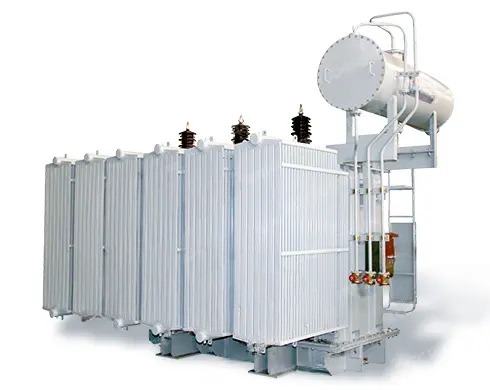
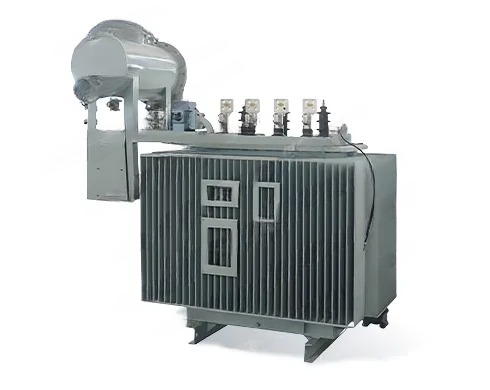
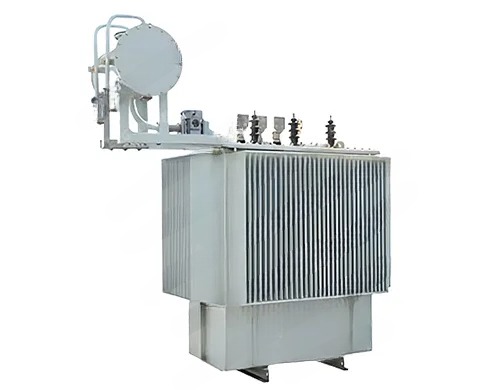
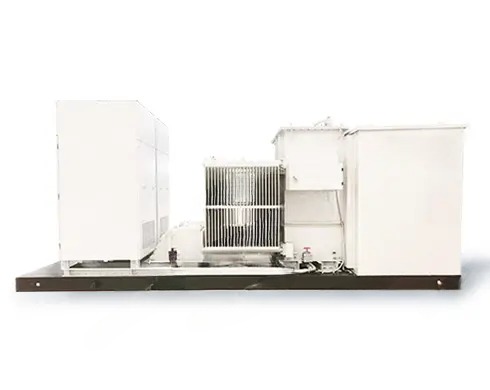
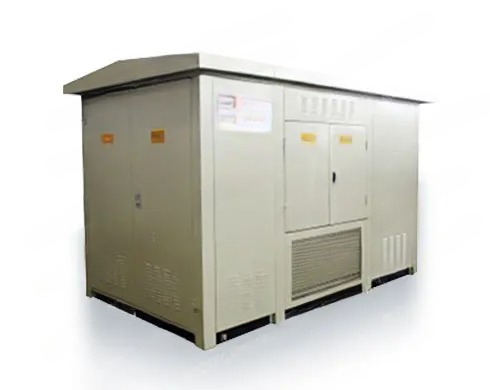
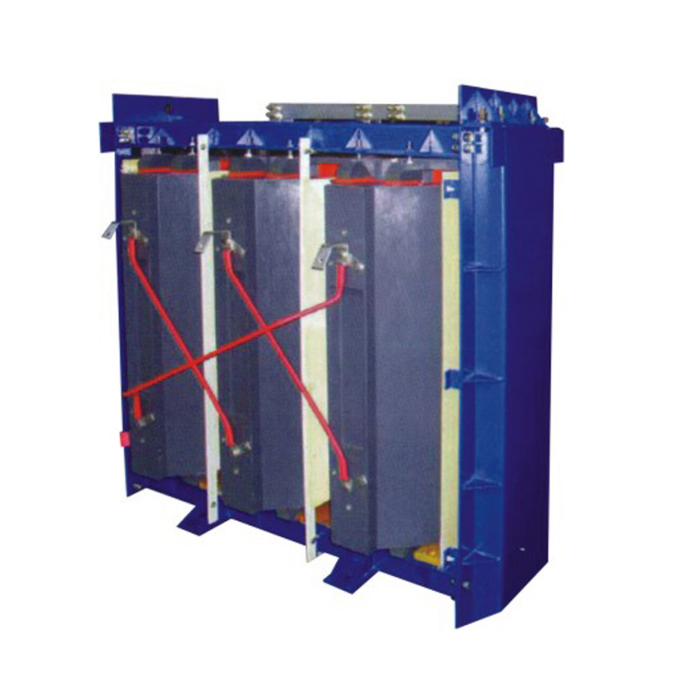
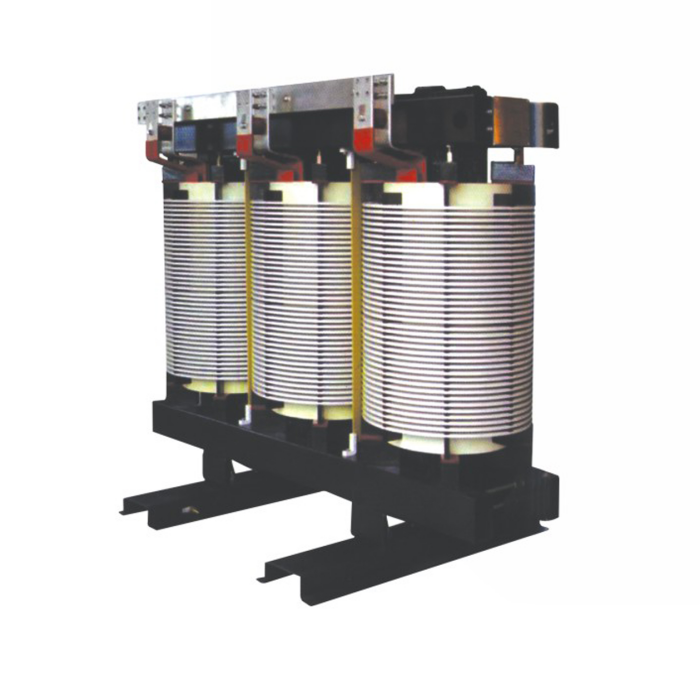
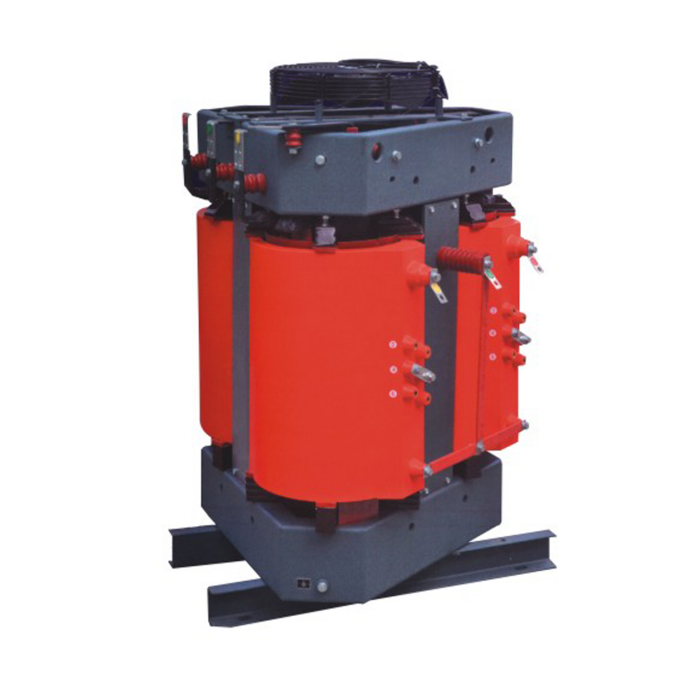
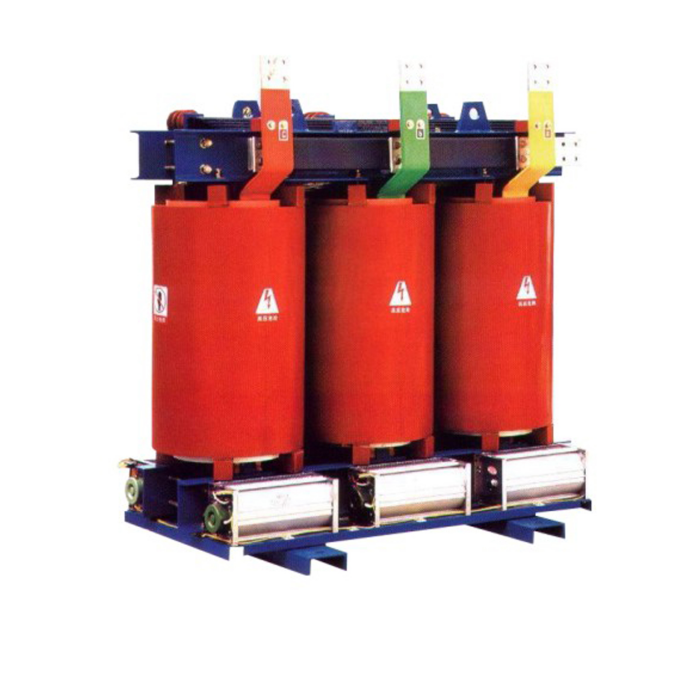
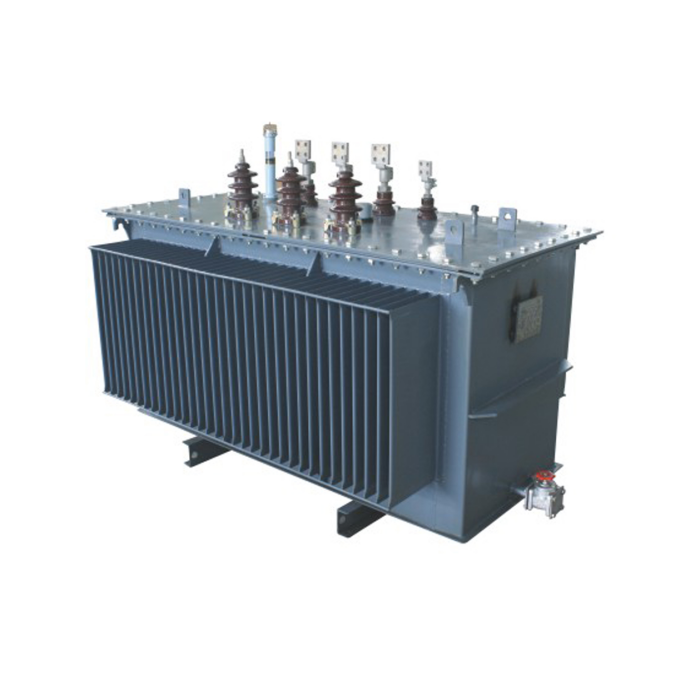
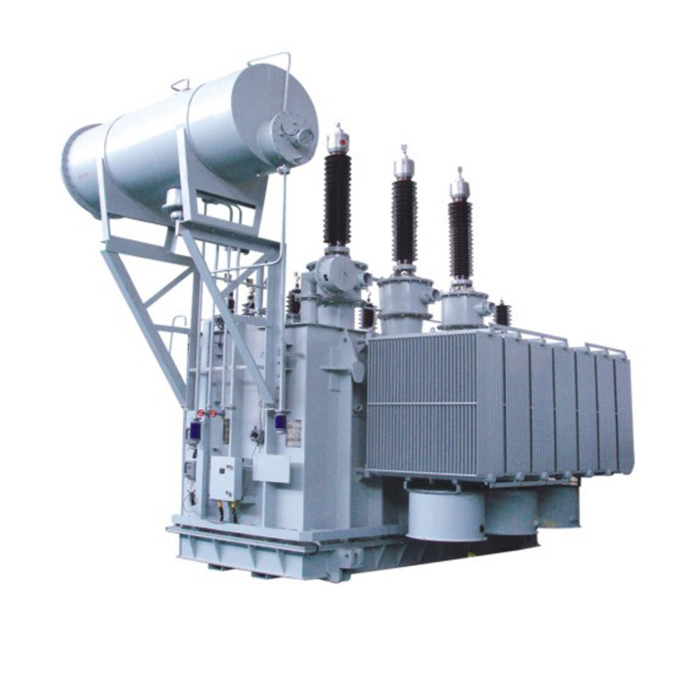
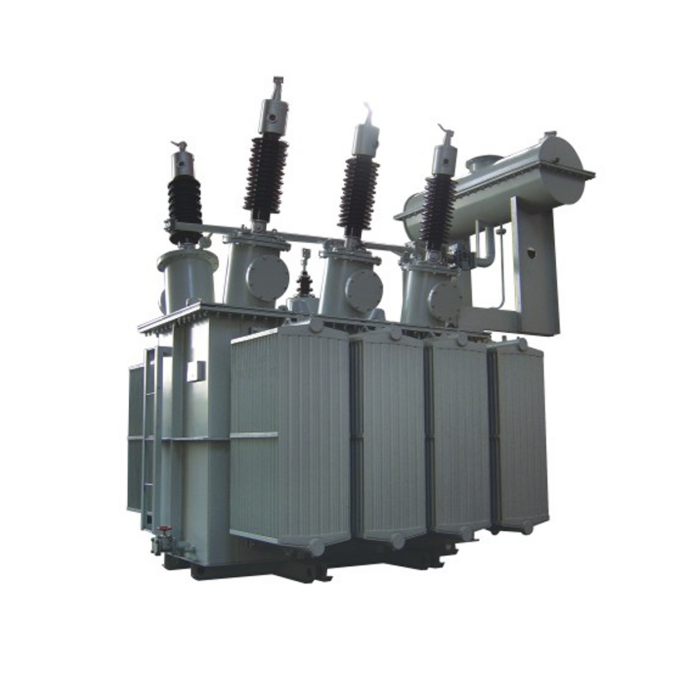
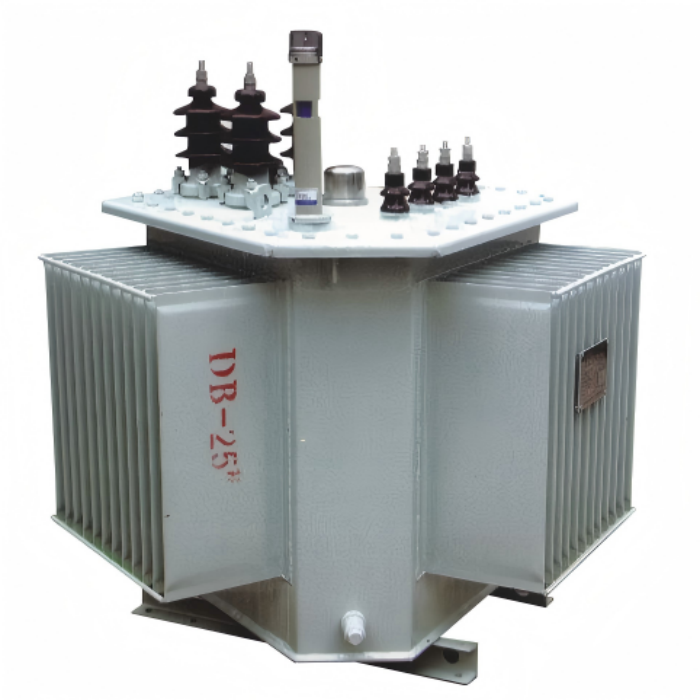
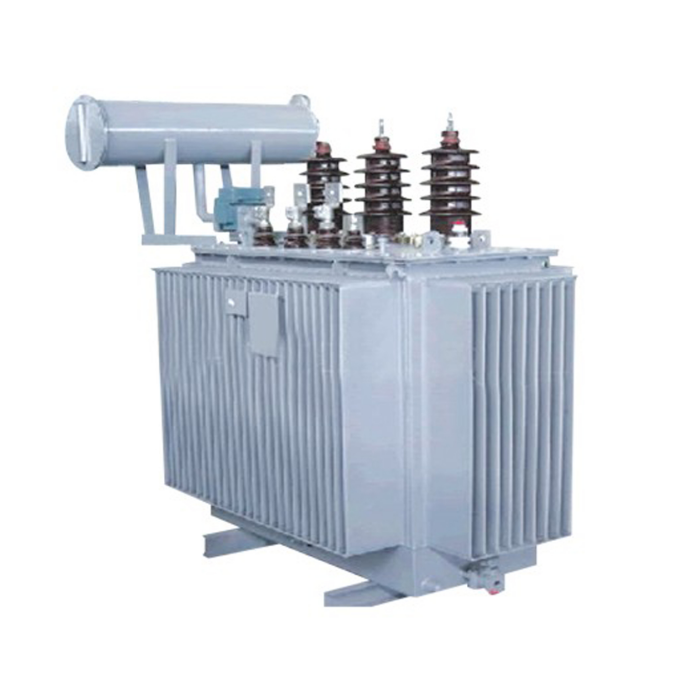
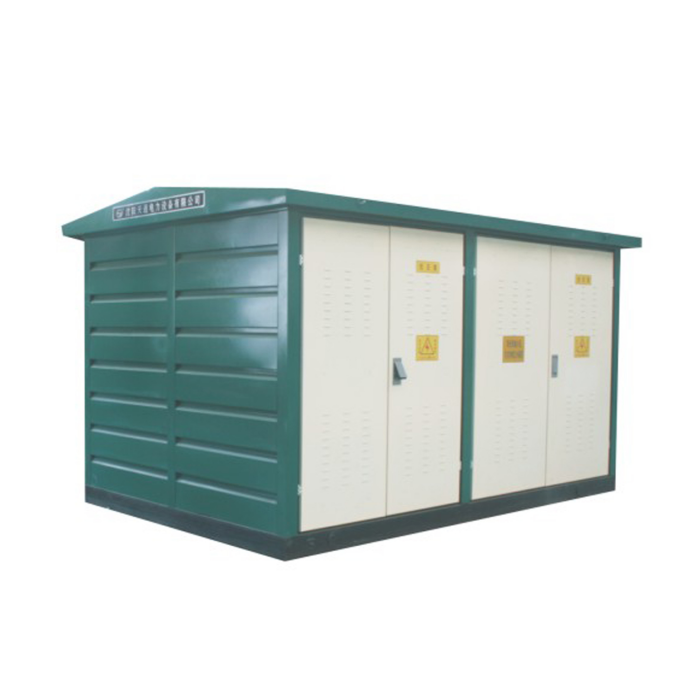
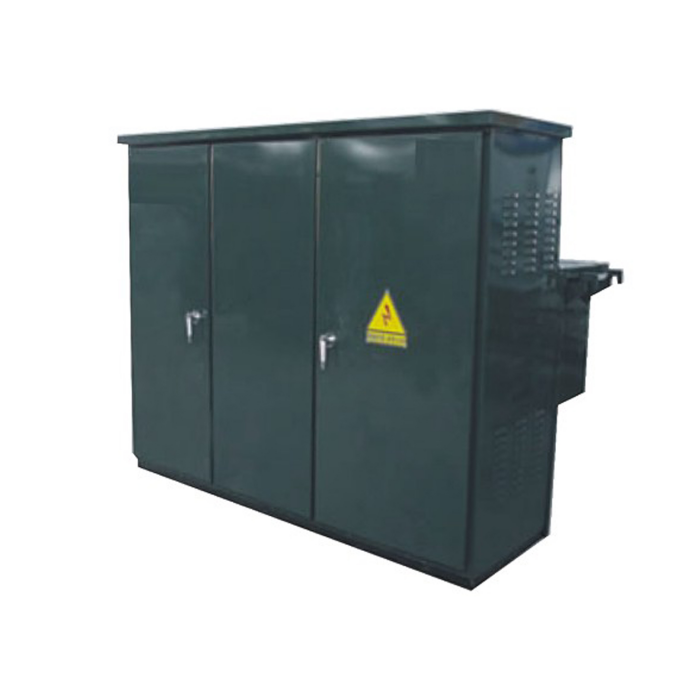
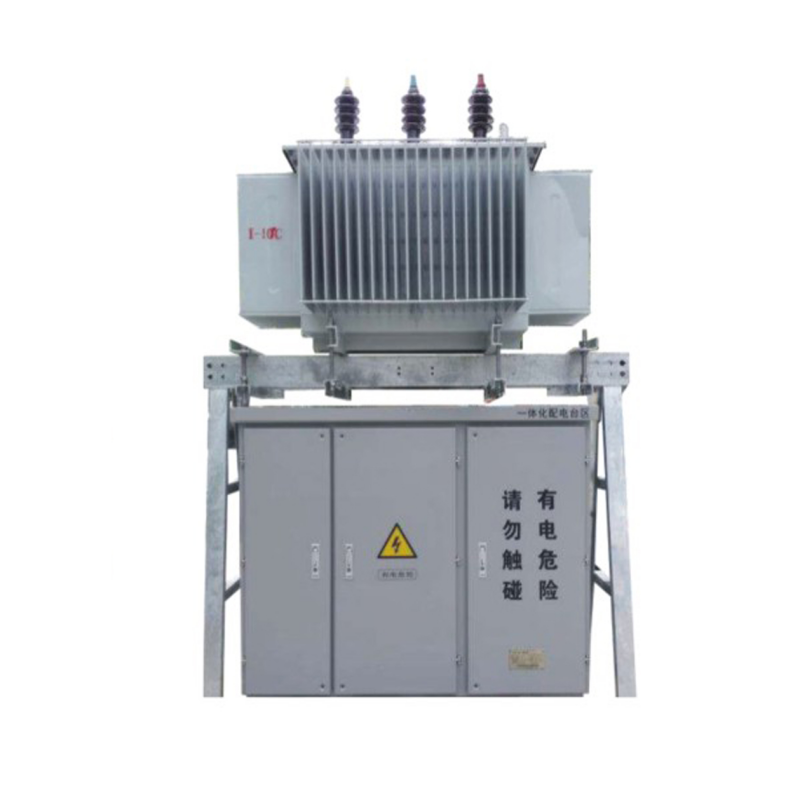
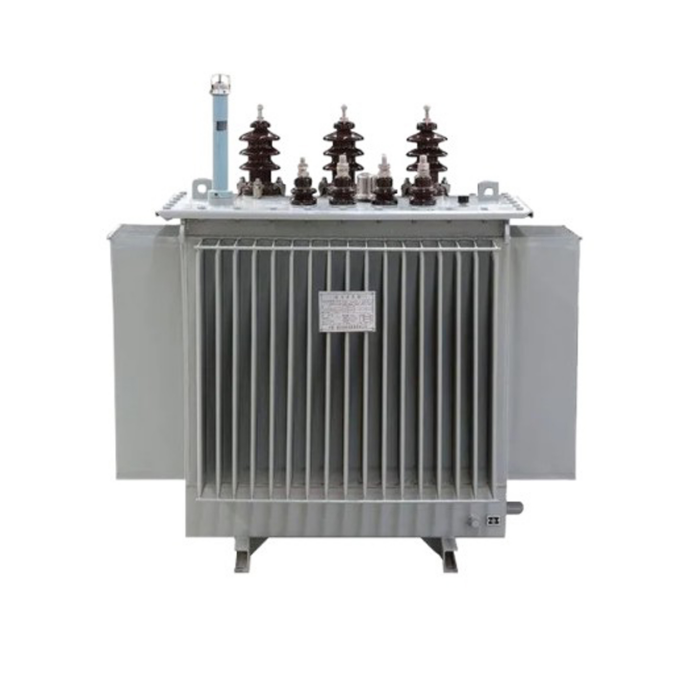
When sourcing distribution transformers, many engineers, project contractors, and procurement managers ask the same question: which is better—copper-wound or aluminum-wound transformers?
The most direct answer is:
If the project prioritizes higher operating efficiency, a longer service life, and greater reliability, copper-wound transformers are generally the better choice; however, if the project has a limited budget and aims to reduce initial procurement costs, aluminum-wound transformers offer an economically viable solution.
In reality, there is no absolute superiority of one over the other; the choice depends on project requirements, load conditions, and total lifecycle costs.
What are copper-winding and aluminum-winding transformers?
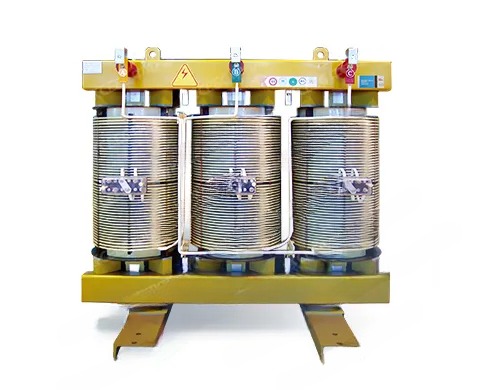
One of the core components of a transformer is the winding, which is typically made of copper or aluminum.
Based on the conductor material used for the windings, distribution transformers are primarily categorized as:
Copper-winding transformers
Aluminum-winding transformers
Both operate on the same principle, achieving voltage transformation through electromagnetic induction.
The primary difference lies in the winding material, which affects electrical conductivity, loss levels, mechanical strength, and overall cost.
Why do most industrial projects prefer copper-core transformers?
Copper possesses superior electrical conductivity.
Given the same capacity and design specifications, copper windings exhibit significantly lower electrical resistance than aluminum windings, resulting in several key advantages.
Lower energy loss
Transformers generate load losses during operation.
Due to copper's lower resistance:
Less heat is generated as current flows through
Energy loss is reduced
Operational efficiency is higher
For factories operating continuously 24 hours a day, long-term savings on electricity costs often far outweigh the higher initial purchase price.
Superior overload capacity
Industrial facilities frequently encounter:
Motor startup
Impact loads
Momentary high loads on production lines
With better conductivity and heat dissipation, copper windings can withstand greater short-term overloads.
This is a primary reason why heavy industries—such as steel mills, mines, and machinery manufacturing plants—predominantly use copper-core transformers.
Enhanced short-circuit resilience
Short-circuit faults generate immense electromagnetic forces.
Copper offers higher mechanical strength:
It is less prone to deformation
It has superior impact resistance
It provides greater winding stability
This factor is particularly critical for power grid projects and key infrastructure.
Are aluminum-wound transformers really unreliable?
Many purchasers believe that:
Aluminum-wound transformers are of poor quality and prone to failure.
In fact, this is a common misconception.
Modern aluminum-wound transformers feature optimized designs that meet international standards and are widely used in power distribution systems around the world.
They are frequently found in projects such as:
Real estate developments
Commercial buildings
Schools
Rural power grids
Temporary construction power supplies
As long as the products meet relevant standards and utilize sound designs, aluminum-wound transformers can operate reliably for over 20 years.
Why are copper-core transformers more expensive?
The primary reason for the higher price of copper-core transformers is the cost of raw materials.
The market price of copper is generally much higher than that of aluminum.
In a distribution transformer:
Winding materials account for a significant portion of the cost.
Fluctuations in copper prices directly impact the equipment's selling price.
Consequently, for transformers of the same capacity:
Copper-core transformers are typically 10% to 20% more expensive than aluminum-core models, with the price gap being even wider for certain specialized types.
However, the purchase price is not the only factor to consider.
For projects involving long-term operation, the total lifecycle cost is more important.
In terms of total lifecycle cost, which is more cost-effective: copper-core or aluminum-core?
Many users focus solely on the purchase price while overlooking operating costs over the subsequent twenty-plus years.
A transformer's total cost of ownership typically includes:
Equipment purchase cost
Cost of energy losses
Operation and maintenance costs
Costs associated with power outage losses
Refurbishment or replacement costs
For industrial projects with long-term operational lifespans:
Even though copper-core transformers have a higher initial purchase price, their lower energy losses often allow the additional investment to be recouped within a few years.
Therefore, large industrial enterprises place greater emphasis on:
Long-term operating costs rather than just the purchase price.
Comparison between Copper-Core and Aluminum-Core Transformers
Comparison Criteria | Copper-core transformer | Aluminum-core transformer |
Conductivity | Excellent | Good |
Power loss | Lower | Slightly higher |
Temperature rise | Lower | Slightly higher |
Overload capacity | Stronger | Average |
Short-circuit withstand capability | Stronger | Average |
Service life | Longer | Slightly shorter |
Procurement cost | Higher | Lower |
Weight | Heavier | Lighter |
Return on investment | Significant long-term advantages | Significant advantage in initial investment cost |
For which projects are copper-core transformers recommended?
Copper-core transformers are generally recommended as the preferred choice for projects with the following characteristics:
Manufacturing plants: Production lines operate continuously over long periods, requiring high power supply stability.
Steel mills and mines: Subject to significant load fluctuations and frequent heavy-load operation.
Chemical enterprises: Power outages result in high losses; equipment reliability is critical.
Data centers: Require long-term stable operation and reduced energy consumption.
Hospitals and critical public facilities: Require guaranteed power supply safety and continuity.
For which projects are aluminum-core transformers suitable?
Aluminum-core solutions may be prioritized in the following scenarios:
Real estate projects: Emphasis is placed on the overall project investment budget.
Commercial buildings: Load variations are relatively steady.
Schools and office buildings: Power supply loads are stable.
Rural power distribution projects: Construction costs need to be controlled.
Temporary construction projects: Short service life; priority is given to the speed of investment recovery.
How should one choose between copper-core and aluminum-core transformers?
In practical engineering applications, a simple principle can be followed:
If the project prioritizes:
Reliability
Energy efficiency
Long-term operating costs
Service life
Then a copper-core transformer is the more suitable choice.
If the project prioritizes:
Initial investment
Cost control
Short-term returns
Then an aluminum-core transformer is the more economical choice.
For most industrial projects, copper-core transformers remain the mainstream choice; however, for budget-sensitive projects, aluminum-core transformers offer a mature and reliable solution.
There is no absolute "better" or "worse" between copper-core and aluminum-core transformers; it depends entirely on suitability for the specific project.
From a long-term operational perspective, copper-core transformers hold a distinct advantage in industrial, power grid, and critical infrastructure sectors due to lower losses, superior overload capacity, and a longer service life.
Conversely, aluminum-core transformers are widely used in commercial buildings, real estate developments, and rural power distribution projects, thanks to lower procurement costs and greater cost-effectiveness.
Therefore, rather than agonizing over which type is inherently better, procurement decision-makers should first clarify the project's load characteristics, budget requirements, and operational goals, and then select the transformer solution that best meets those needs.