

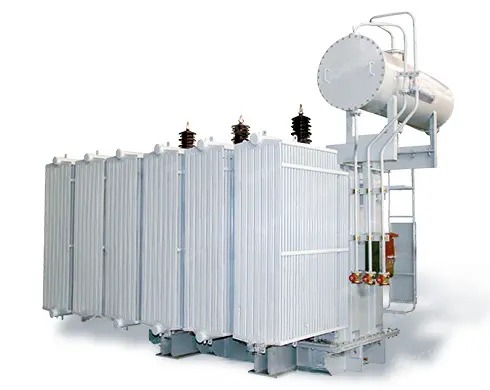
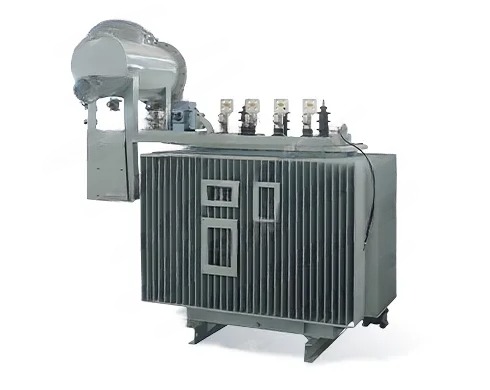
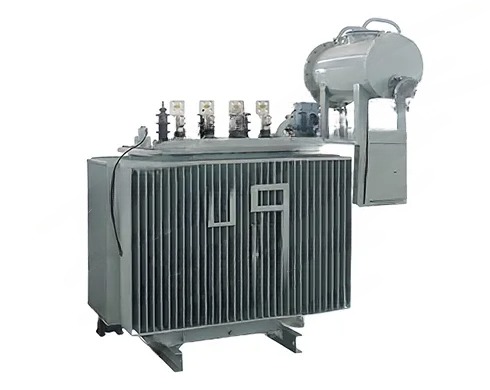
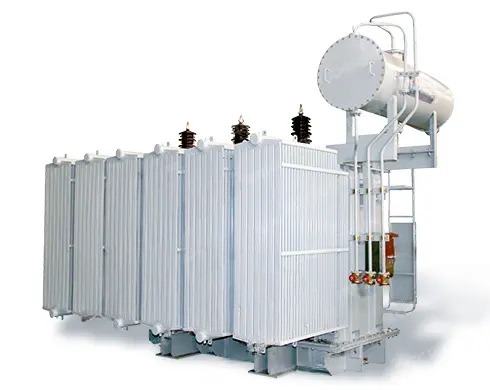
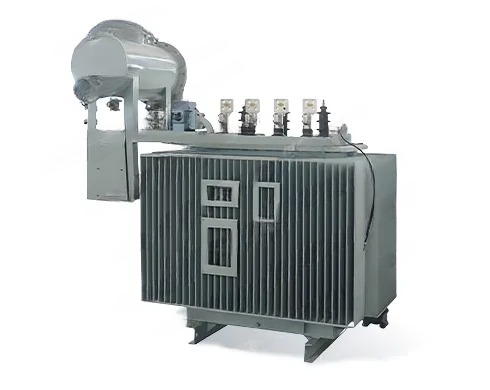
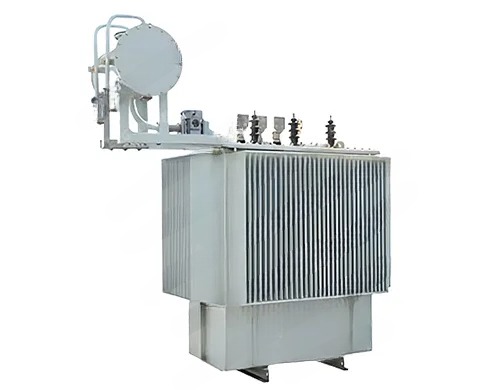
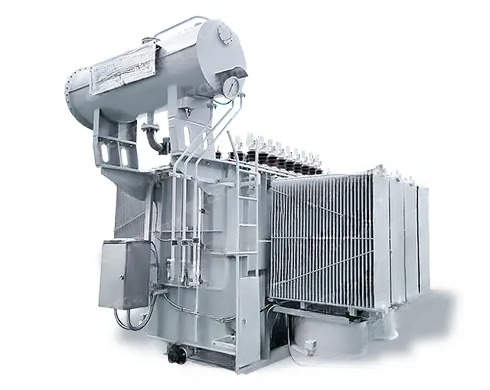
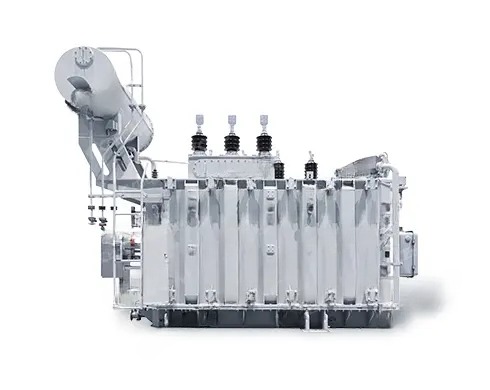
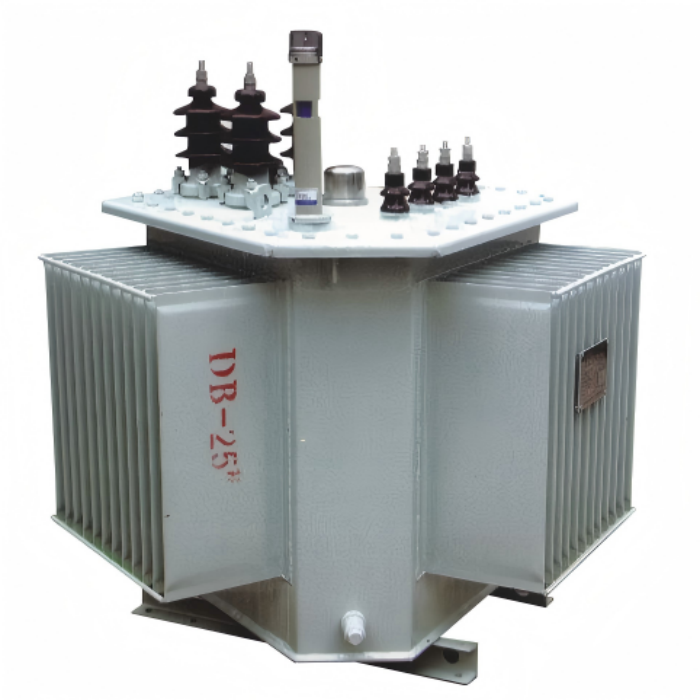
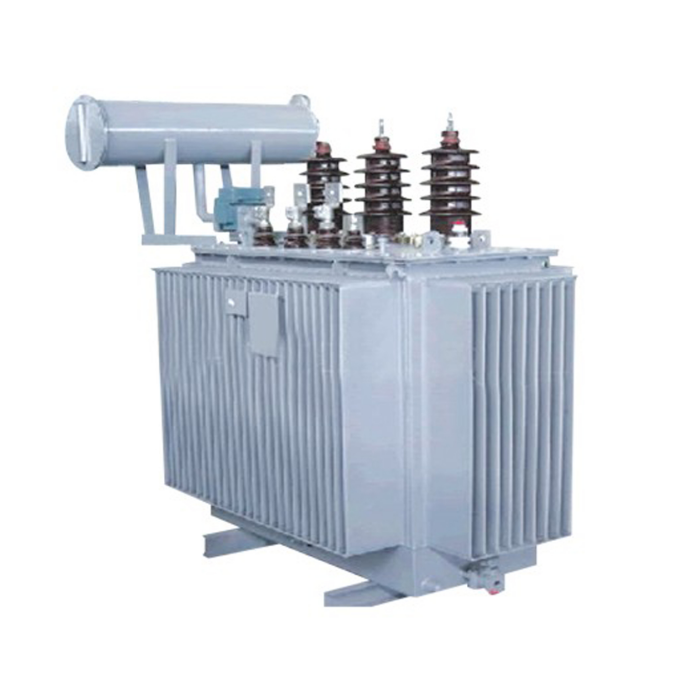
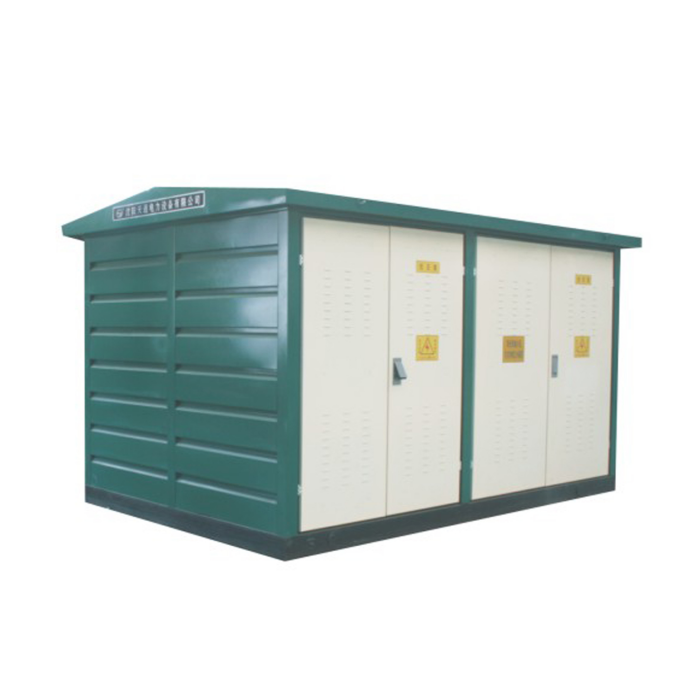
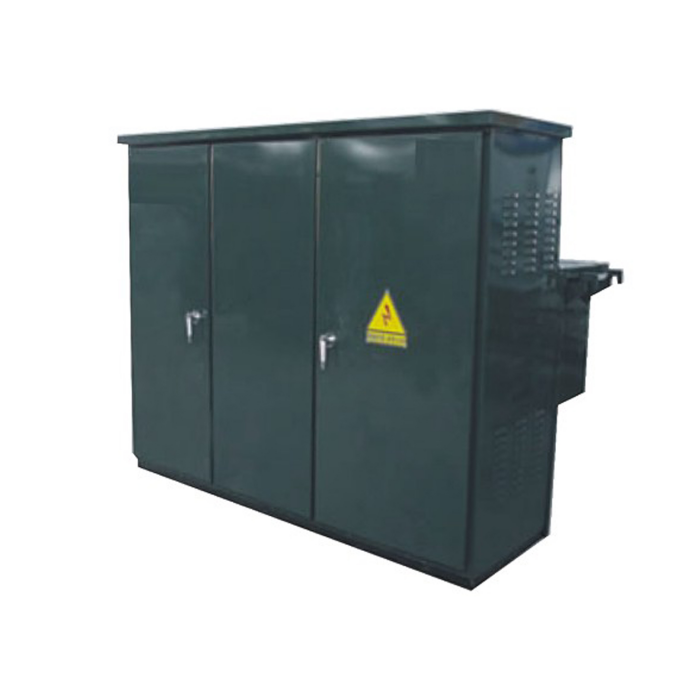
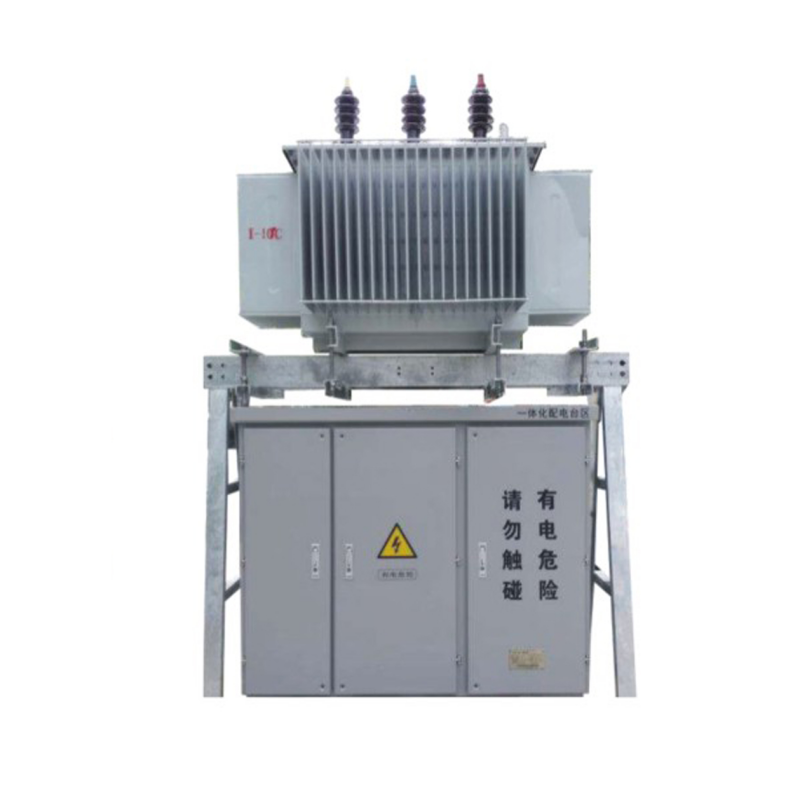
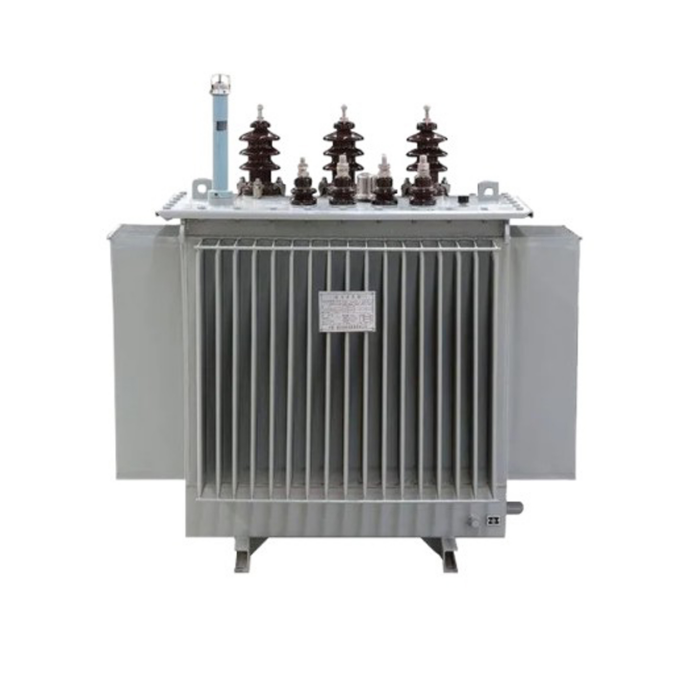
What Are the Advantages of Oil Immersed Transformers?
If you've spent any time specifying or procuring power equipment, you've likely been asked some version of this question: Why oil-immersed instead of dry type? It's a reasonable thing to wonder, especially as dry-type technology has improved significantly over the past decade.
The short answer is that oil immersed transformers earn their dominant market position not through inertia, but through a set of physical and economic advantages that become more pronounced as voltage and capacity increase. This article explains those advantages honestly — including the tradeoffs.
The Physics Behind Oil Immersion
Before listing benefits, it's worth understanding why oil matters.
Transformer losses — both no-load (core) losses and load (copper) losses — produce heat. That heat must be removed continuously or the insulation degrades. Cellulose insulation (the paper wrapping around windings) ages at roughly twice the rate for every 6–8°C rise above its rated temperature, following the Arrhenius relationship. This is not a manufacturer's claim; it is the basis for the thermal loading guides in IEC 60076-7.
Mineral transformer oil has a thermal conductivity roughly 5–6 times higher than air, and its convective heat transfer capacity is significantly greater still. This physical fact underpins almost every practical advantage oil immersed transformers hold.
Advantage 1: Thermal Performance That Scales
Air-cooled transformers hit physical limits as ratings increase. Moving enough air to cool a 5 MVA transformer requires large, bulky cooling fins or forced-air systems that add noise, maintenance, and failure points.
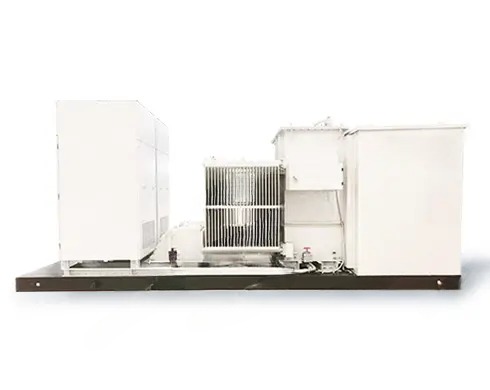
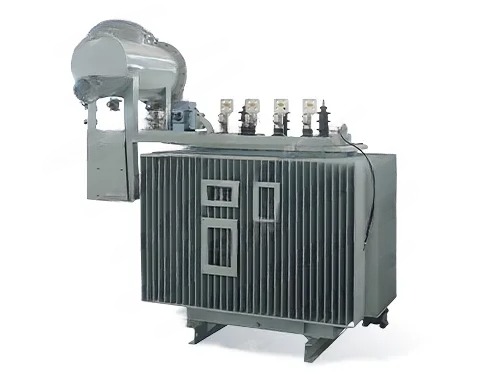
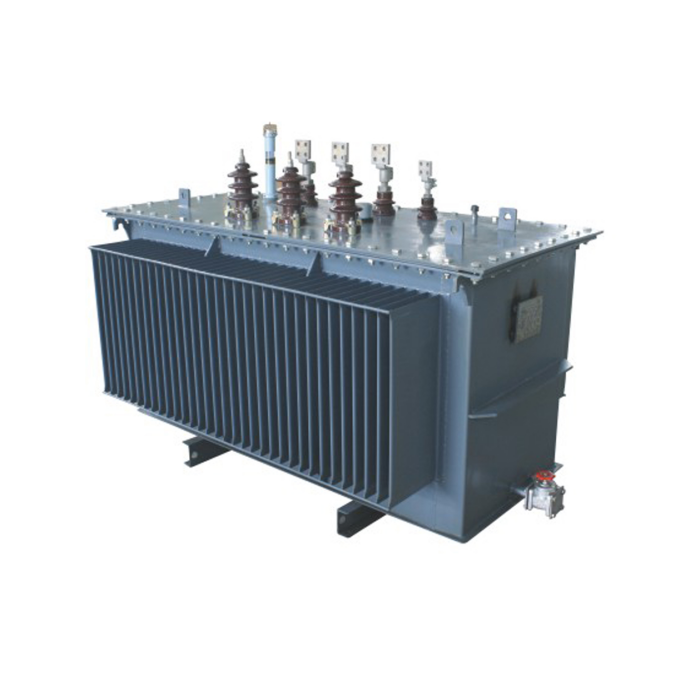
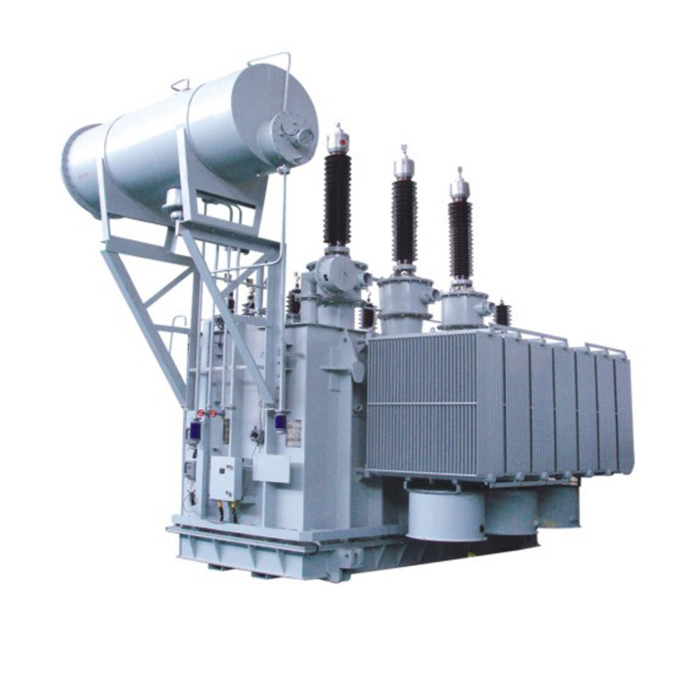
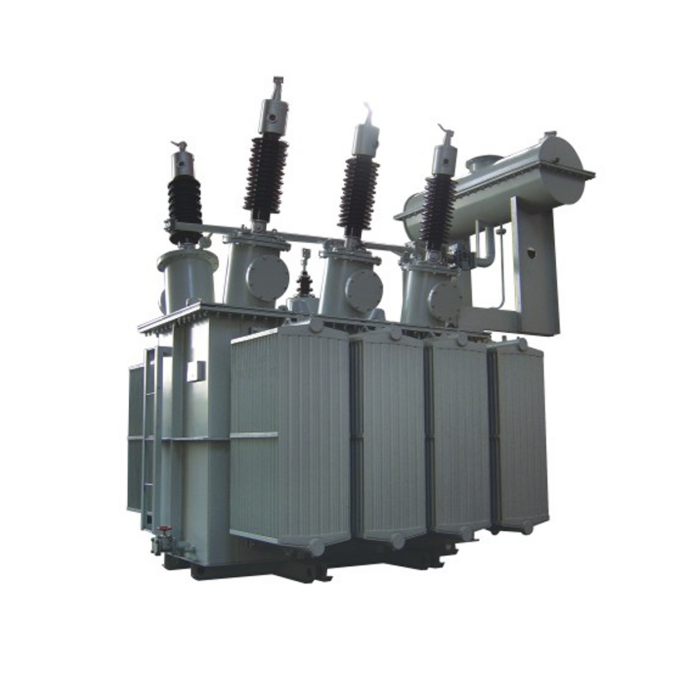
Oil handles this more elegantly. Natural oil circulation (the ONAN cooling class, as designated in IEC 60076-2) removes heat passively through convection, with no moving parts. As ratings increase, designers add radiator banks, then oil pumps (OFAF), scaling cooling capacity without changing the fundamental insulation system.
This scalability is why you find oil immersed transformers at ratings from 25 kVA distribution units up to single-unit autotransformers exceeding 1,000 MVA in HVDC converter stations.
Advantage 2: Insulation That Self-Heals
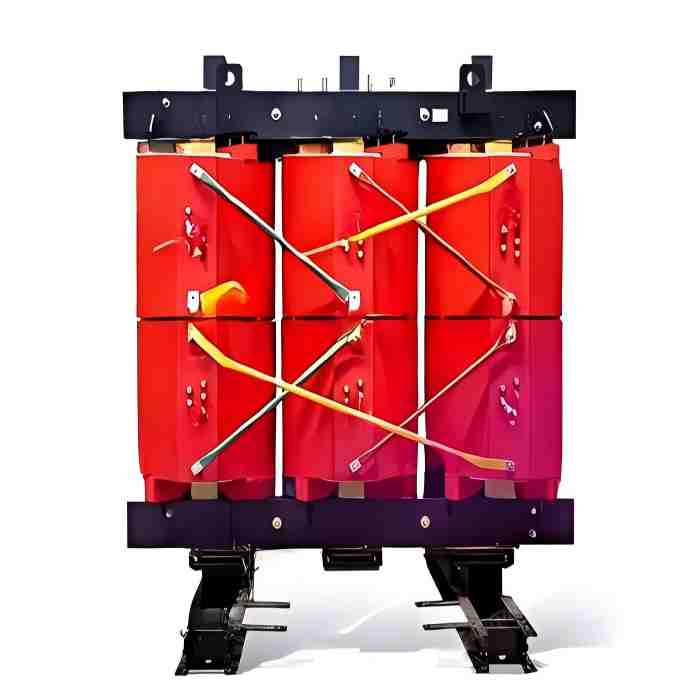
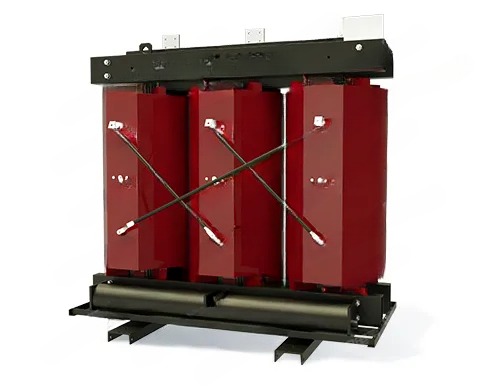
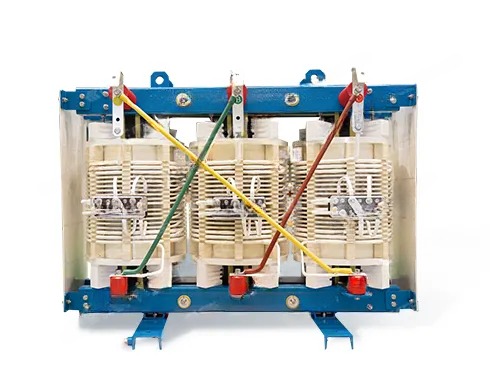
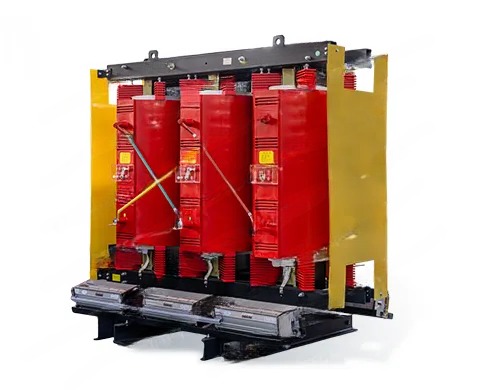
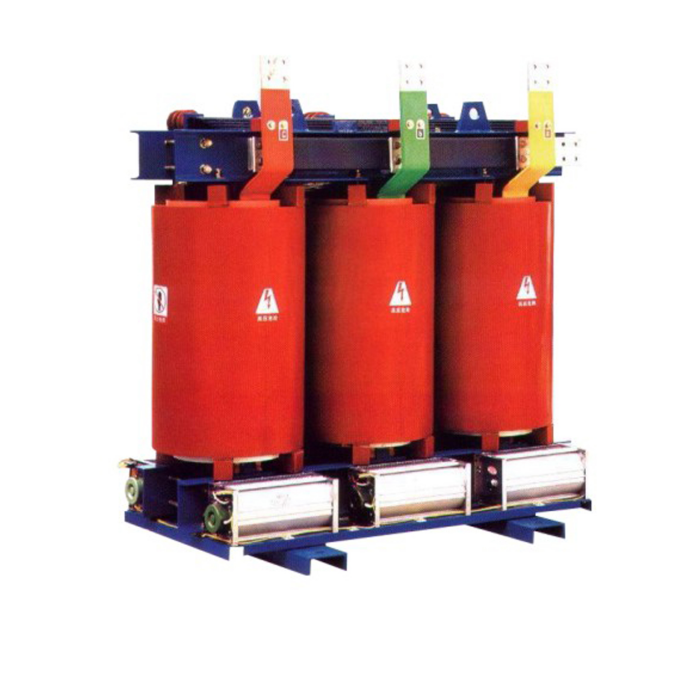
In a dry-type transformer, the insulation is solid — epoxy resin or cast resin. Once damaged by an electrical discharge or sustained overvoltage, that damage is permanent.
Mineral oil behaves differently. After a minor discharge event, the ionized oil molecules recombine and the dielectric strength recovers, often within milliseconds. This self-healing property is one reason oil insulation is standard for equipment operating above 36 kV — at those voltage levels, transient overvoltages from switching or lightning are unavoidable, and a rigid insulation system that can't recover is a liability.
The dielectric breakdown strength of well-maintained mineral oil exceeds 30 kV across a 2.5 mm gap (per IEC 60156 test method). Contaminated or wet oil drops sharply — which is why oil testing exists.
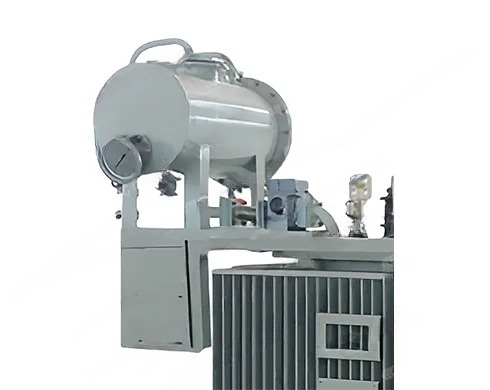
Advantage 3: Condition Monitoring Through the Oil Itself
This advantage is rarely mentioned but practically significant: the oil tells you what's happening inside.
Dissolved Gas Analysis (DGA) — sampling the oil and measuring dissolved gases like hydrogen, acetylene, methane, and ethylene — can detect thermal faults, partial discharge, and arcing long before they become failures. IEC 60599 provides interpretation ratios. A well-run utility will trend DGA results over years, predicting remaining life with reasonable accuracy.
Dry-type transformers offer no equivalent diagnostic window. You can check surface temperature and listen for unusual noise, but the internal condition of the cast resin insulation is largely opaque until it fails.
For asset managers responsible for grid reliability, this difference has real operational value.
Advantage 4: Overload Tolerance with a Known Cost
Oil immersed transformers can sustain overloads that would damage dry-type units, and the cost of that overloading is quantifiable.
IEC 60076-7 defines loading guides for oil immersed transformers that specify how much life is consumed per hour at a given overload level. A 20% overload in moderate ambient temperature might consume life at 2–3 times the normal rate — significant, but manageable as a deliberate operational choice when load growth outpaces capital replacement budgets.
Dry-type units have no equivalent standard. Their manufacturers typically state overload limits more conservatively, and there is no established model for calculating life consumption.
Advantage 5: Economic Efficiency at Scale
The cost comparison between oil immersed and dry-type transformers shifts depending on rating. Below roughly 630–1,000 kVA at low voltage, dry-type transformers are competitive on installed cost, require no oil containment, and face fewer regulatory constraints for indoor installation.
Above that threshold, the economics move decisively in favor of oil immersed:
Lower materials cost per kVA of capacity
Higher efficiency — oil immersed units consistently achieve lower load and no-load losses at the same price point, which matters significantly over a 30-year asset life when evaluated using loss capitalization (the standard procurement method used by utilities)
Lower replacement cost — oil can be replaced; cast resin cannot be economically repaired
A transformer purchased at a lower price but with higher losses often costs more over its lifetime. This is why sophisticated buyers specify maximum loss levels alongside purchase price.
Advantage 6: Environmental and Regulatory Adaptability
Modern transformer oils are a significant improvement over older mineral oils — and the options have expanded.
Natural ester fluids (refined from vegetable oils) offer fire points above 300°C, compared to roughly 160°C for standard mineral oil. They are biodegradable, absorb moisture better (reducing paper insulation degradation), and are approved for use in flood-prone or environmentally sensitive locations. Some jurisdictions now mandate ester fluids for transformers installed near waterways.
Synthetic esters offer similar benefits with better low-temperature performance, suitable for arctic installations.
The ability to select and change the fluid type — without replacing the transformer — gives oil immersed designs a regulatory flexibility that dry-type units, with their fixed insulation system, cannot match.
Where Oil Immersed Transformers Are the Wrong Choice
An honest article acknowledges this.
Indoor installation in occupied buildings is the main exception. Even with modern low-fire-point oils and proper containment, many building codes prohibit oil-filled equipment in locations like shopping centers, high-rise buildings, or hospitals. Here, dry-type is not just preferred — it is often the only compliant option.
Small ratings at low voltage (below 630 kVA, 11 kV and below) are a genuine toss-up, and the decision usually comes down to installation environment and local maintenance capability rather than any inherent technical superiority.
What Good Maintenance Actually Looks Like
The longevity advantage of oil immersed transformers is real, but it is not automatic. It depends on maintaining the oil system.
At minimum, this means:
Routine oil sampling (annually for critical units, every two years for others) with DGA and physicochemical testing per IEC 60422
Breather maintenance — silica gel breathers absorb moisture from the air entering the conservator; saturated breathers allow moisture into the oil, which accelerates insulation ageing
Oil top-up with compatible oil — mixing oils of different inhibitor types can cause sludging
Thermographic survey of bushings and cable terminations — external thermal anomalies often appear before internal ones
Transformers that receive this level of care routinely exceed 40 years of service. Those that don't are often replaced prematurely — not because oil immersed design is flawed, but because the oil was neglected.
Oil immersed transformers hold their dominant position in medium and high-voltage power infrastructure because the physics of oil insulation and cooling scale well, the insulation system is diagnosable and partially self-repairing, and the economics favor oil at the ratings where most of the world's electrical energy is transformed. The main exceptions — indoor installation in occupied buildings, small low-voltage units — are real but bounded.
Understanding these tradeoffs clearly is what allows engineers and procurement teams to specify the right equipment the first time.