
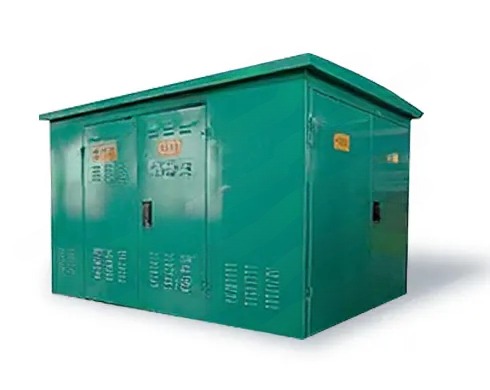
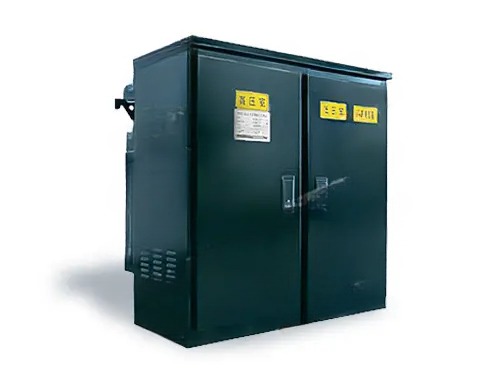
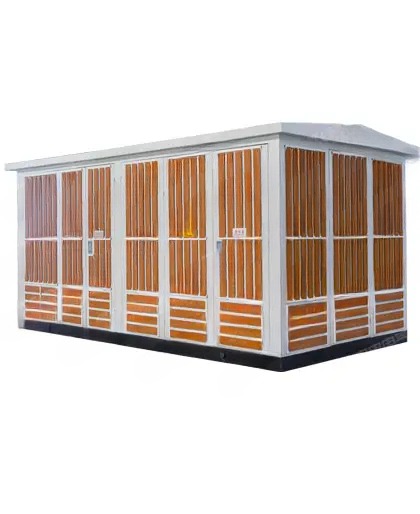
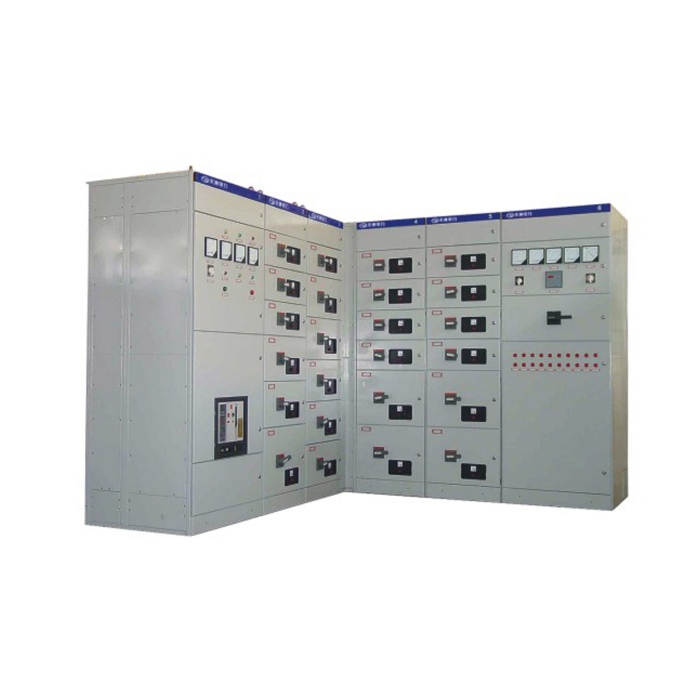
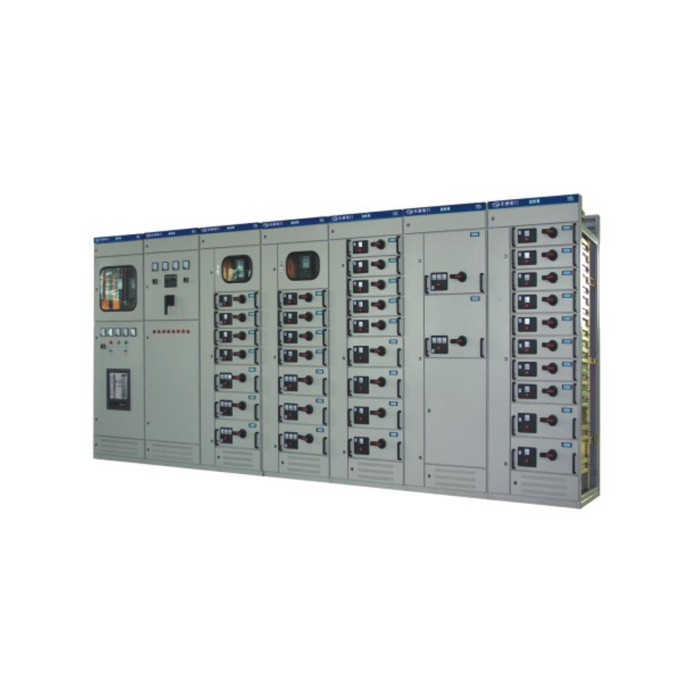
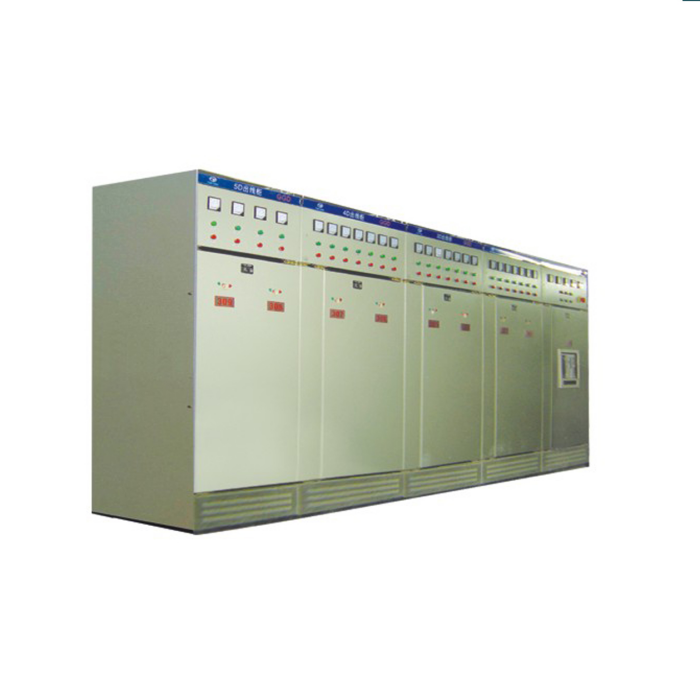
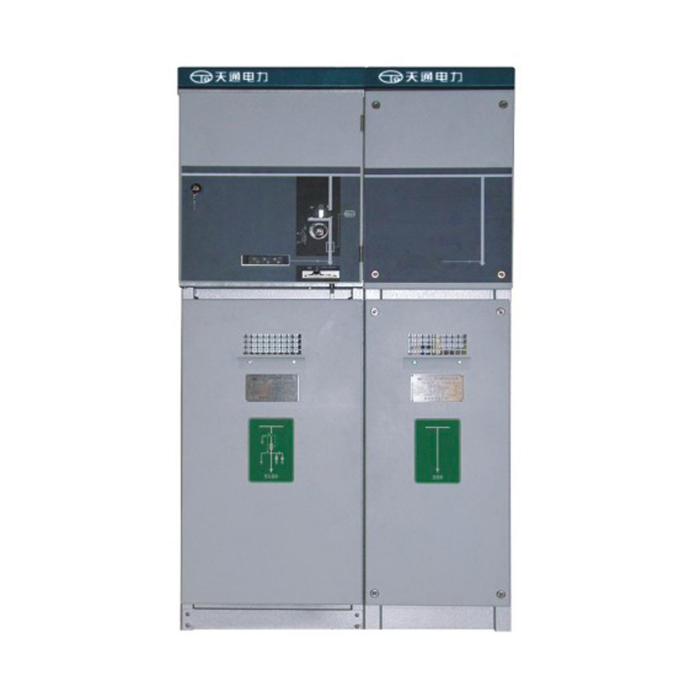
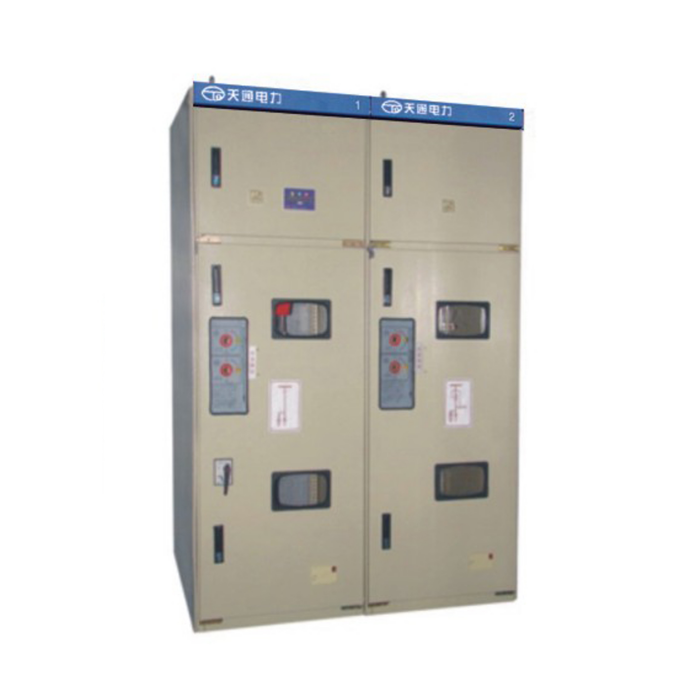
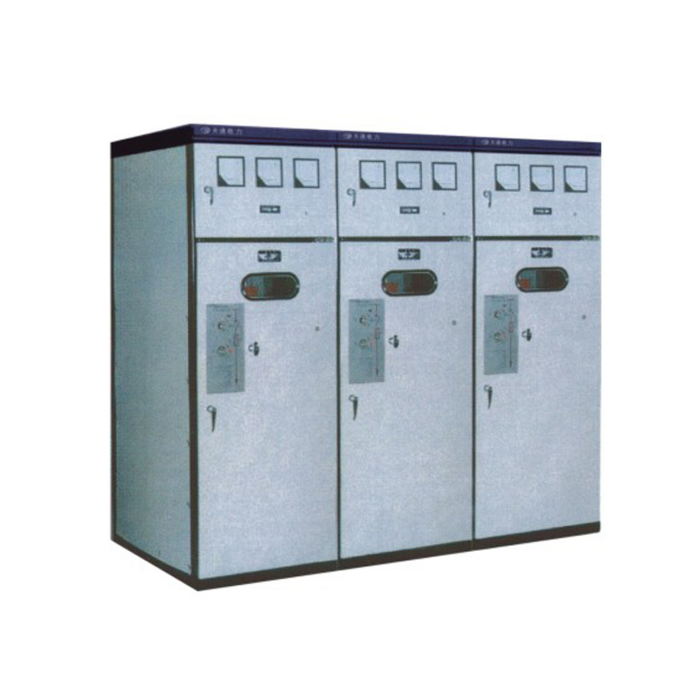
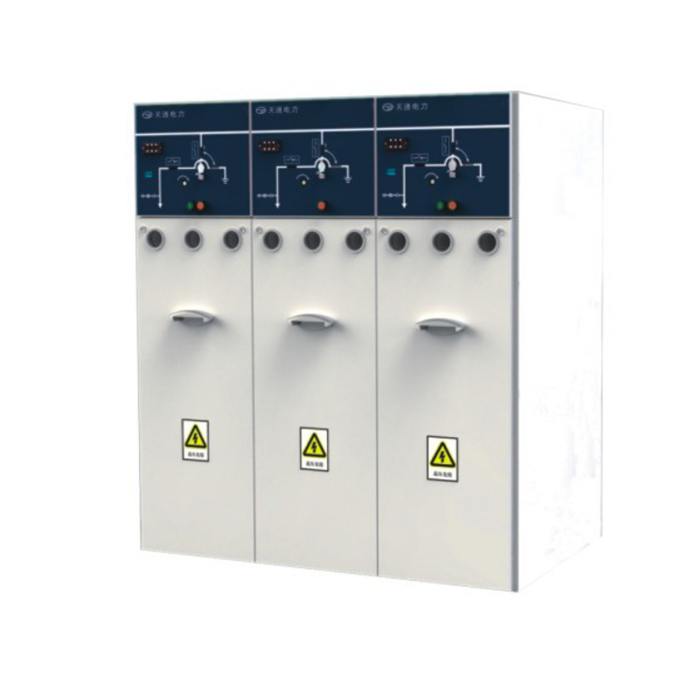
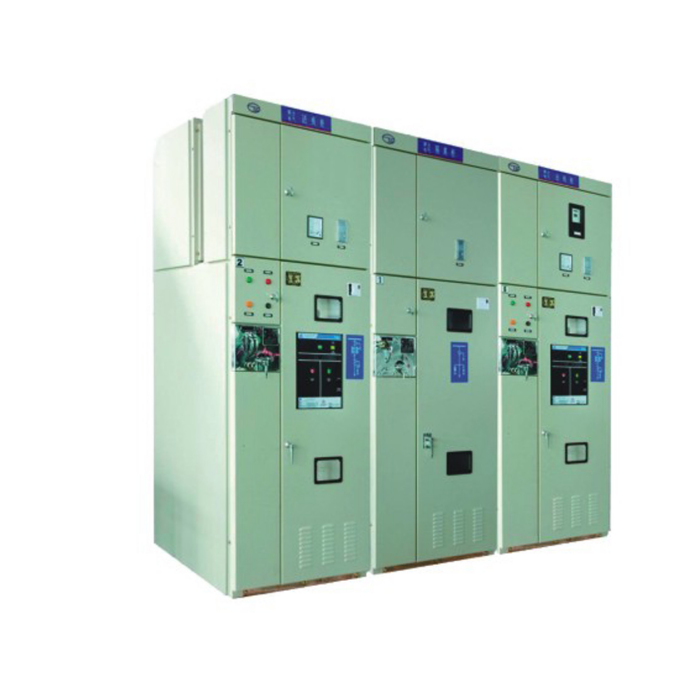
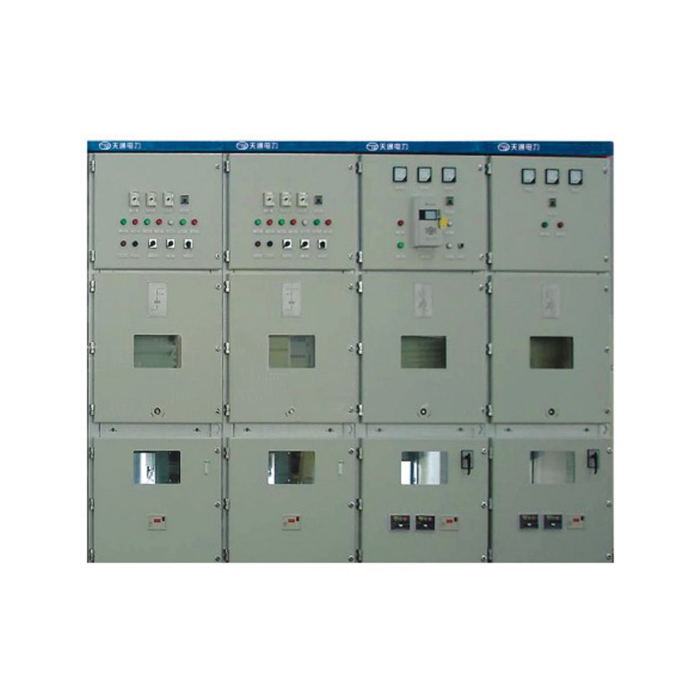
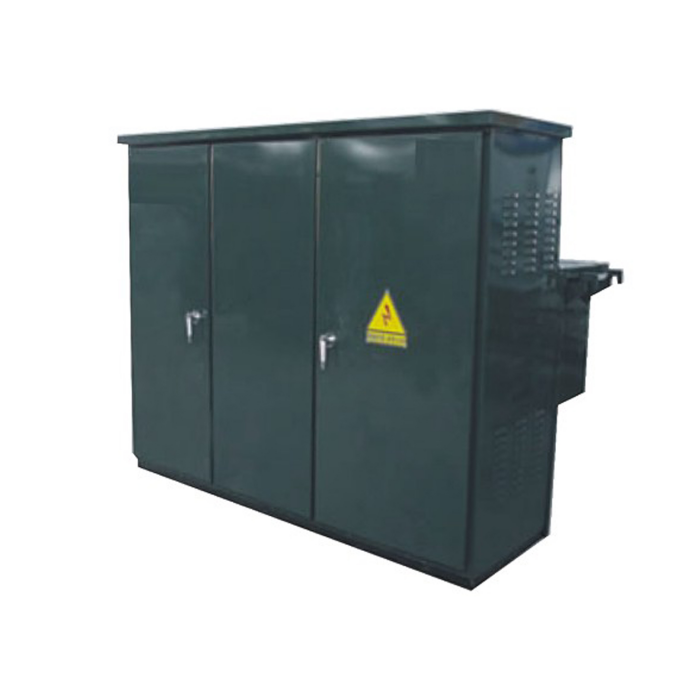
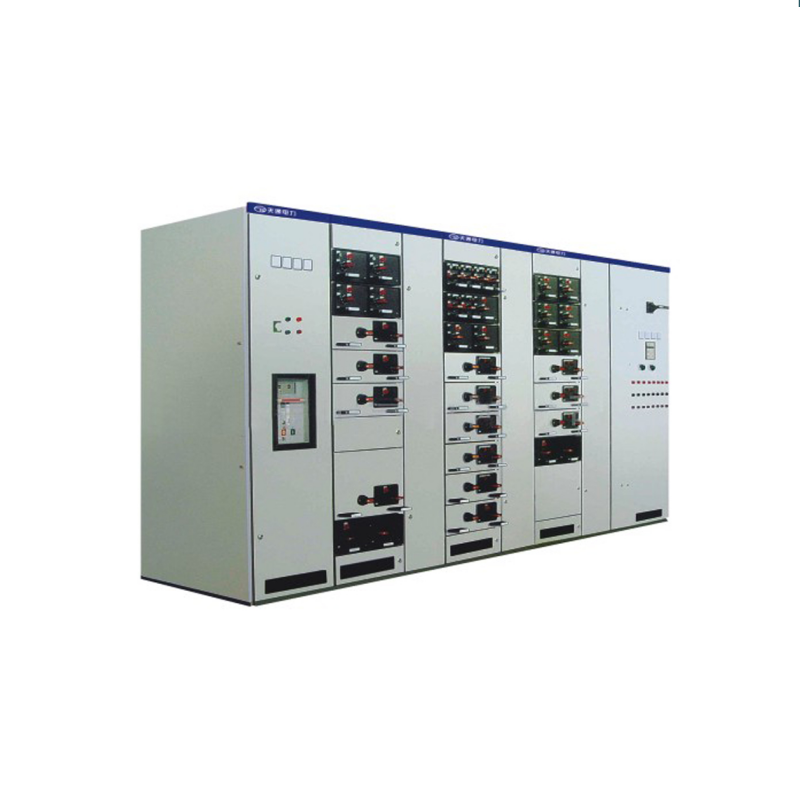
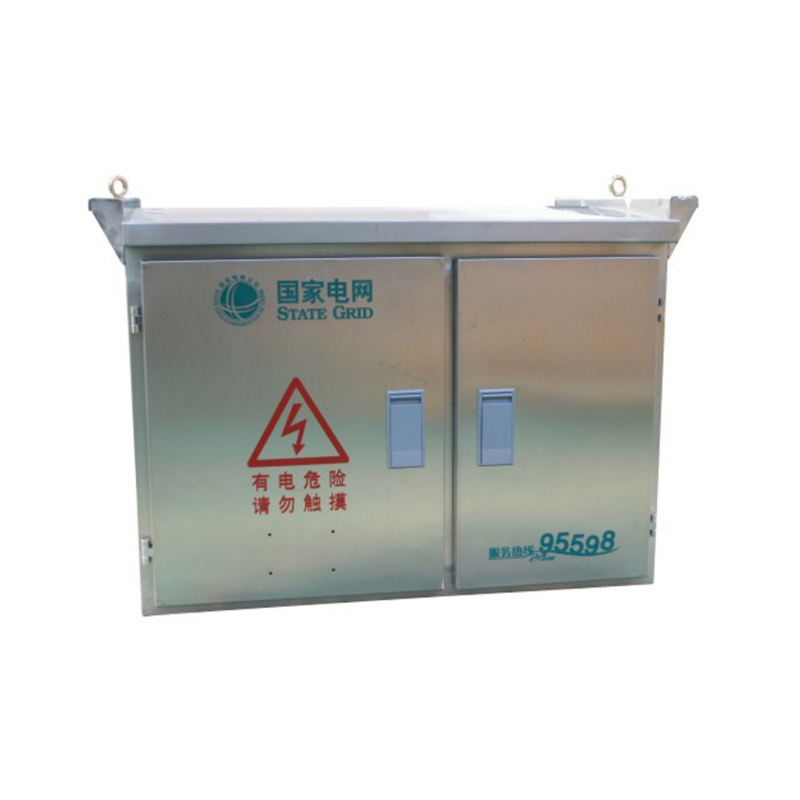
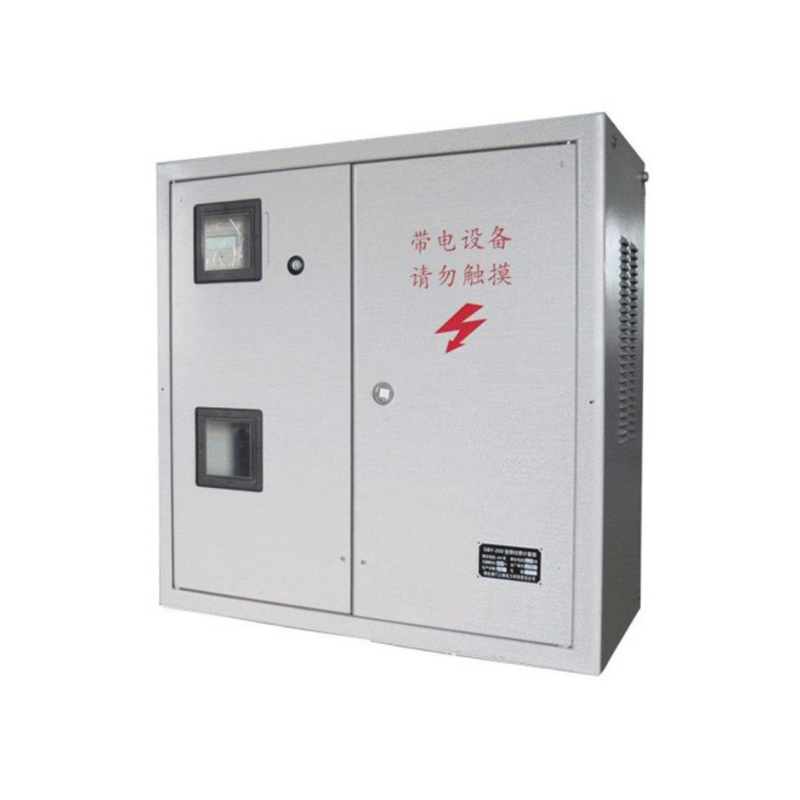
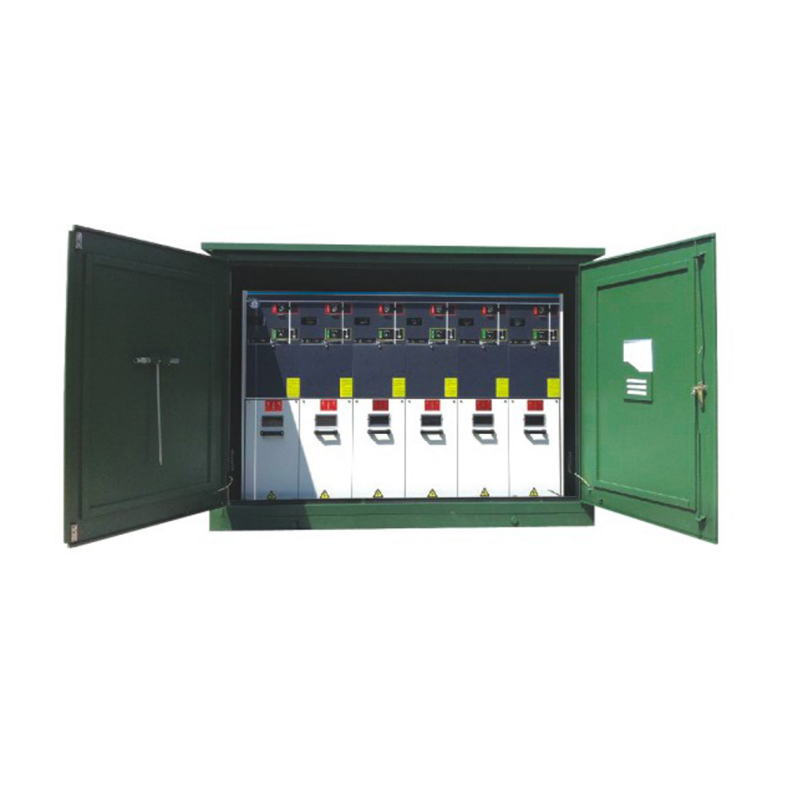
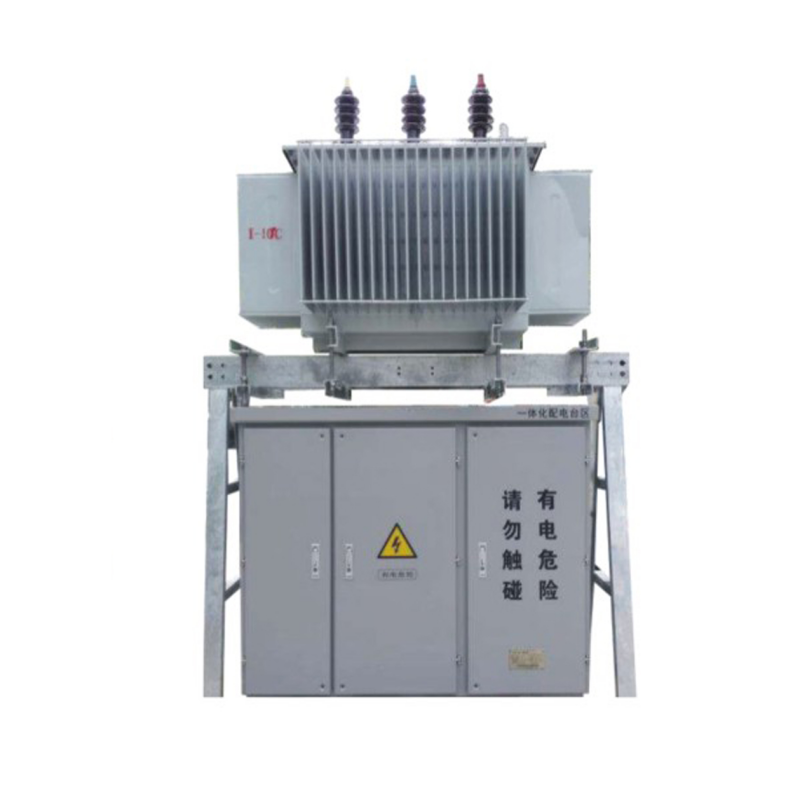
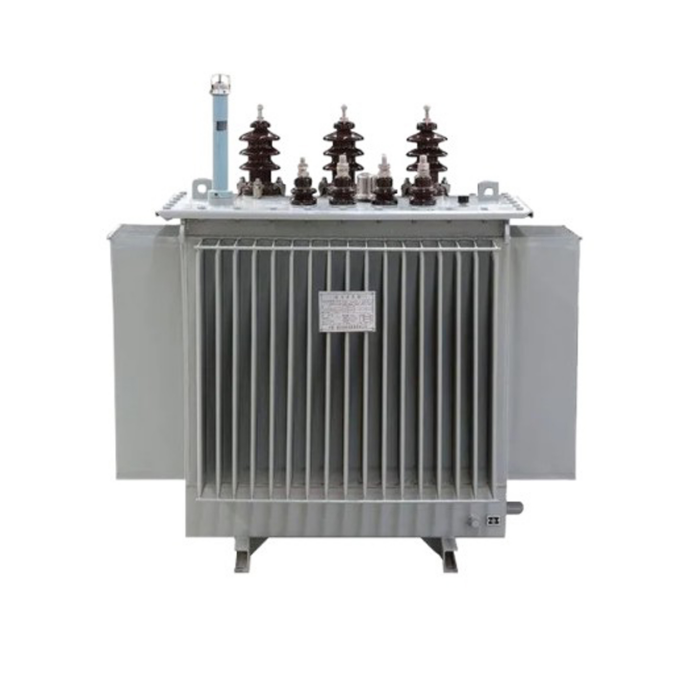
Transformers, as core equipment for voltage transformation and power transmission in power systems, are a crucial cornerstone for the construction of new power systems. In 2025, my country's transformer exports reached a record high of 64.6 billion yuan, with some orders for data centers already booked until 2027. With the explosive growth in global demand for AI computing power grids, the accelerated construction of ultra-high-voltage power grids, and the implementation of mandatory energy efficiency standards, the industry is rapidly iterating towards high efficiency, intelligence, and green technology, ushering in new development opportunities.
Definition of a Transformer
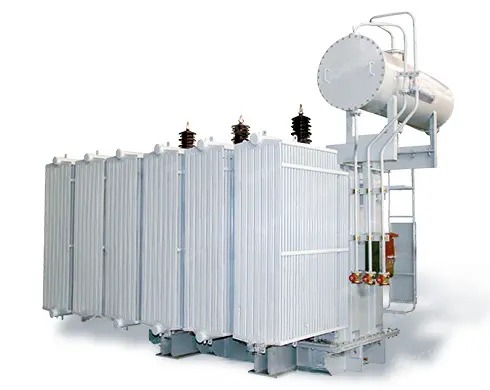
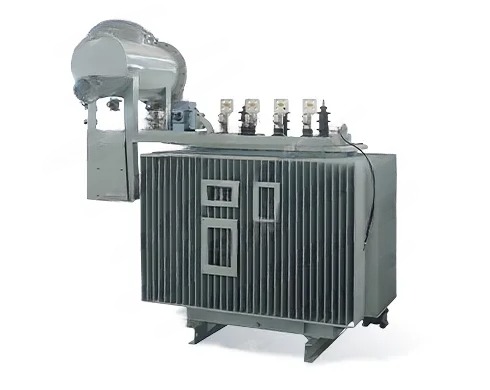
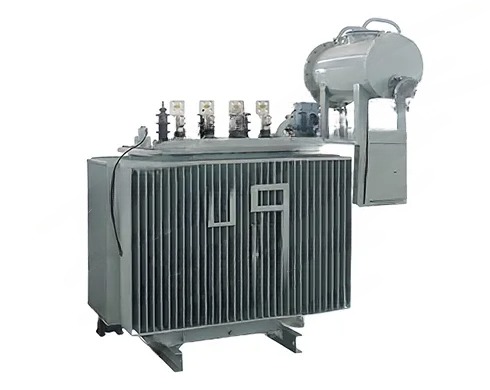
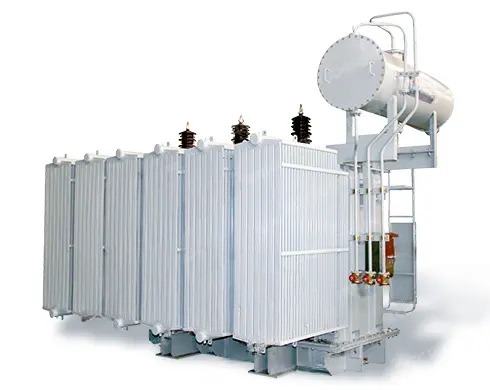
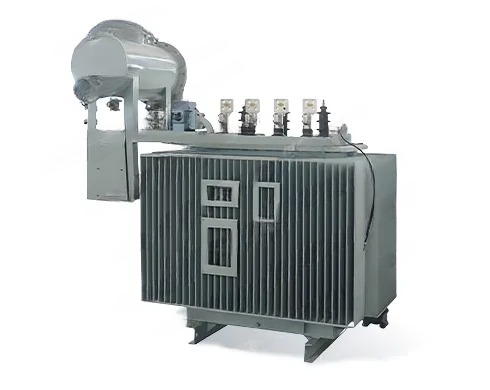
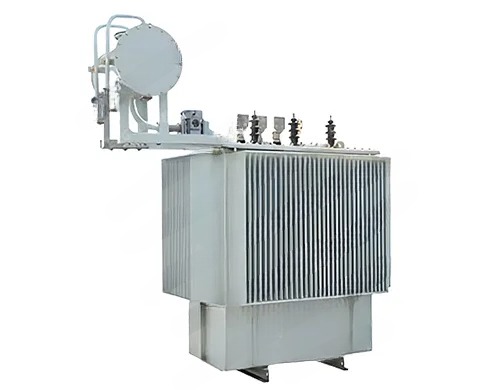
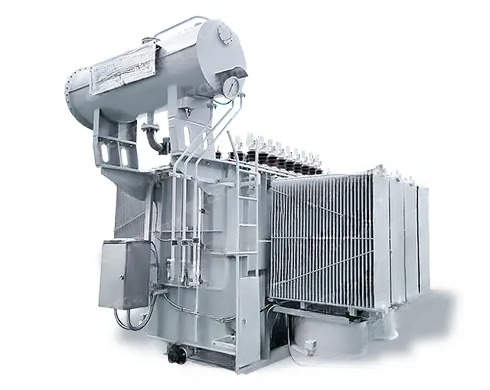
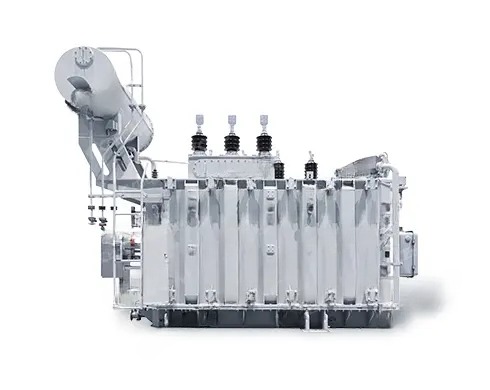
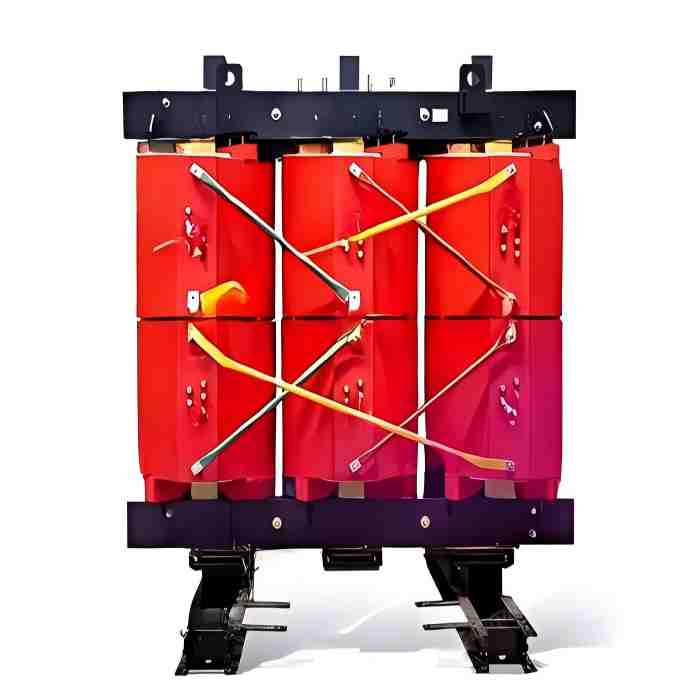
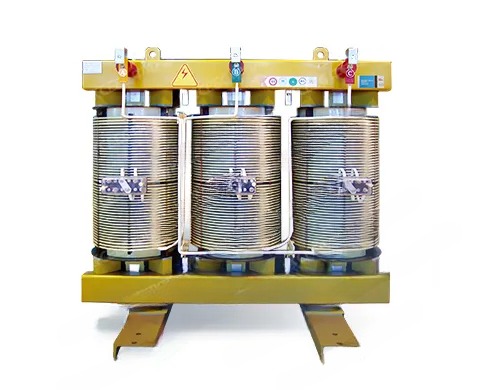
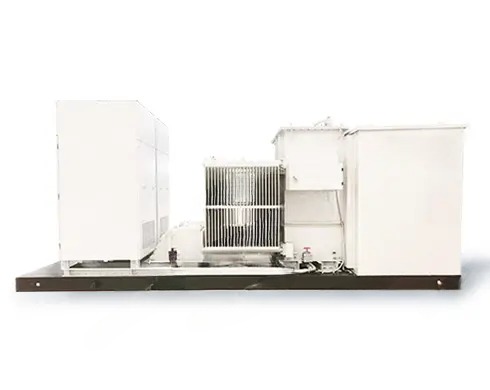
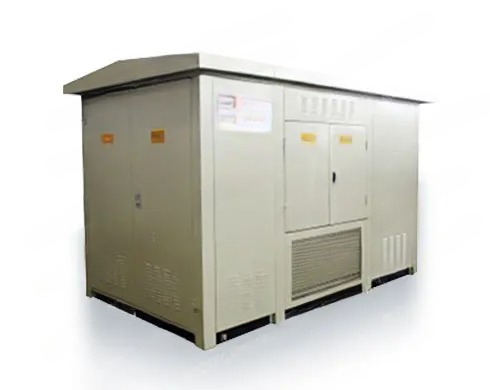
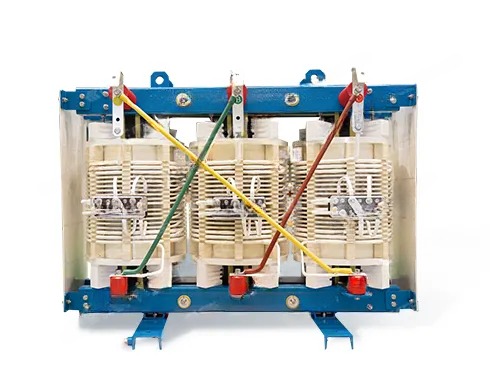
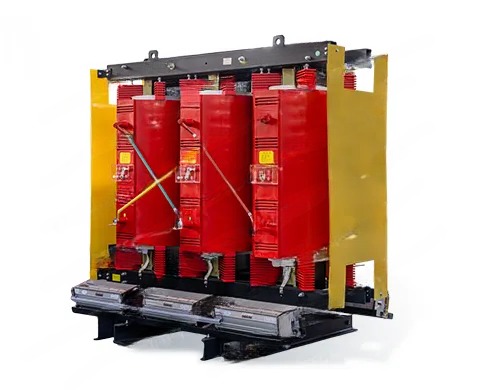
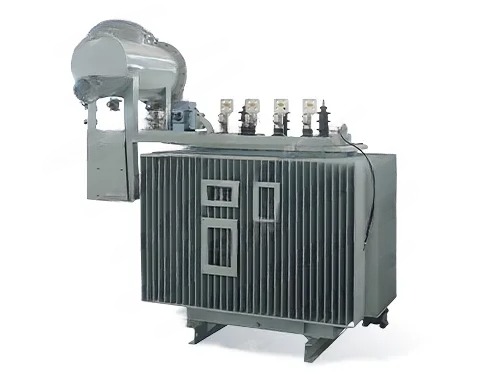
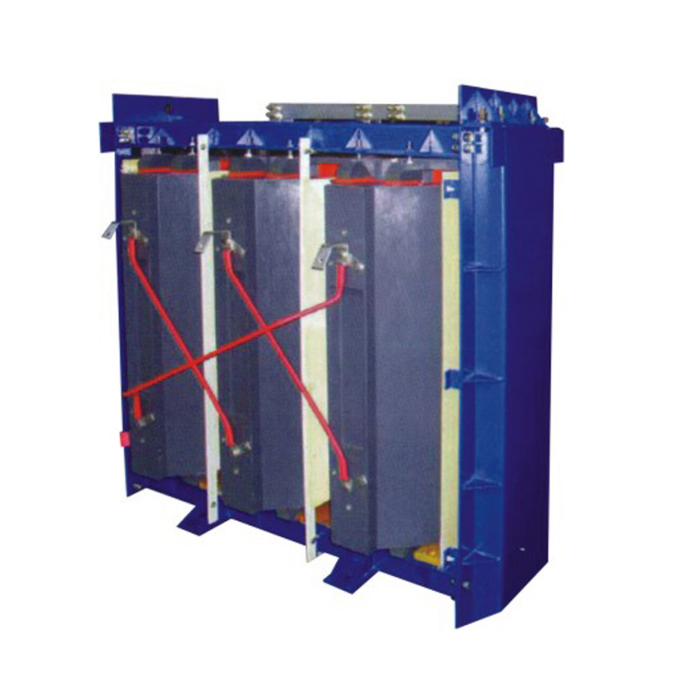
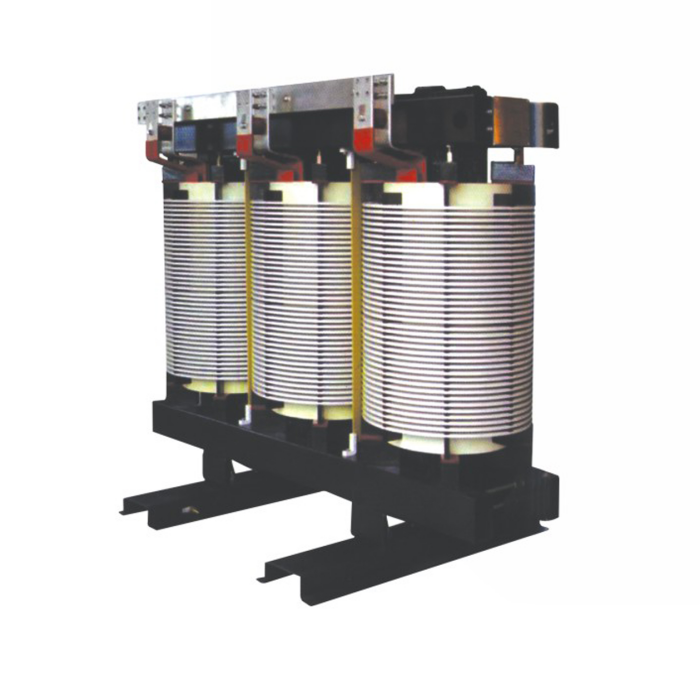
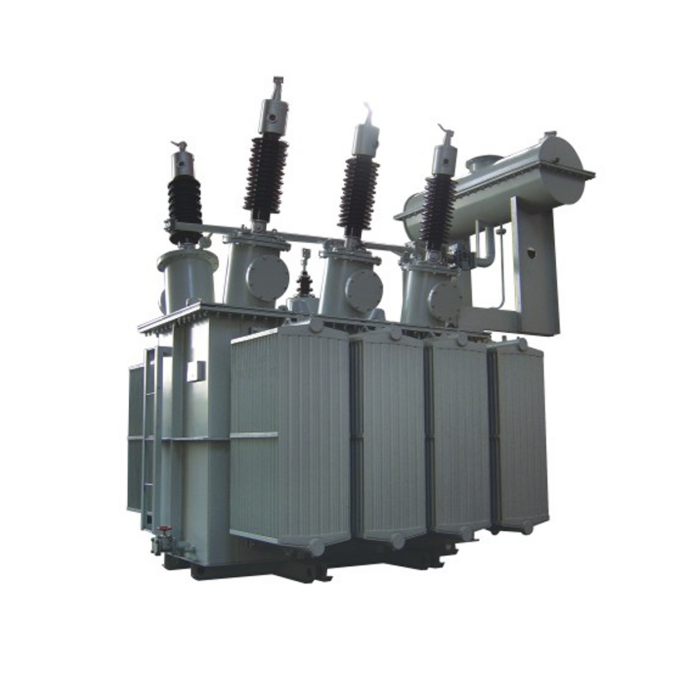
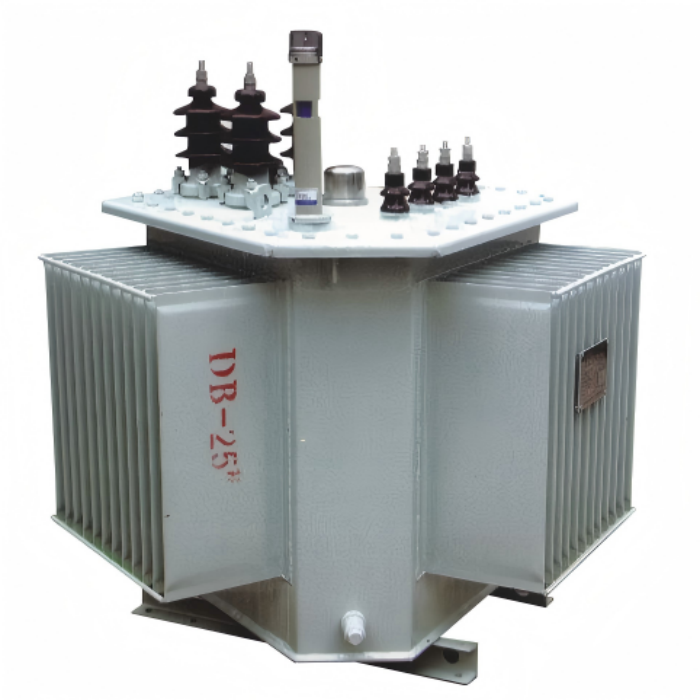
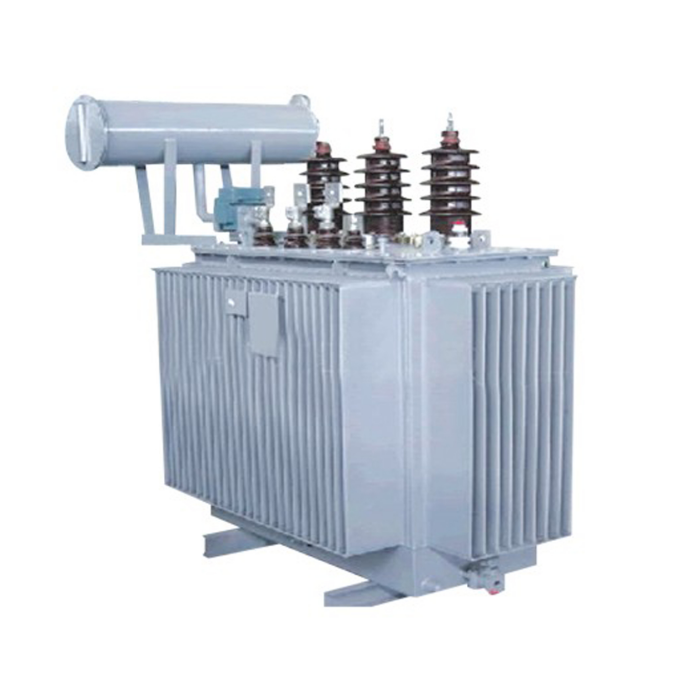
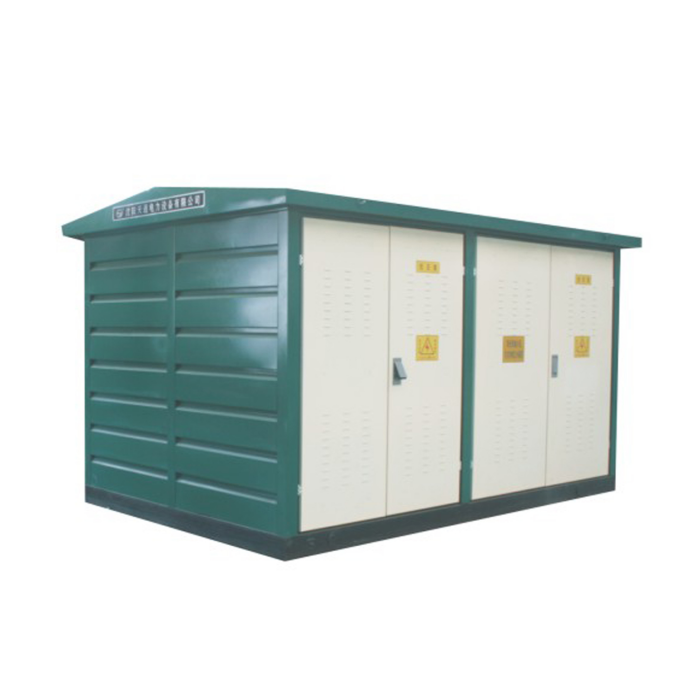
A transformer is a non-rotating electrical device that converts alternating current (AC) into AC at the same frequency but a different voltage, based on the law of electromagnetic induction. The main structure of a transformer consists of a core and windings. These, along with insulation and leads, form the transformer body. The transformer body is typically housed in an oil tank or casing. Adding voltage regulation, cooling, protection, temperature measurement, and outgoing line devices completes the overall structure of the transformer. Power transformers are one of the main components of a power system and play a crucial role in power transmission.
Transformers can be classified according to the number of phases, cooling method, and application.
Transformer main classifications and characteristics:
| Classification methods: | Specific Classifications | Features |
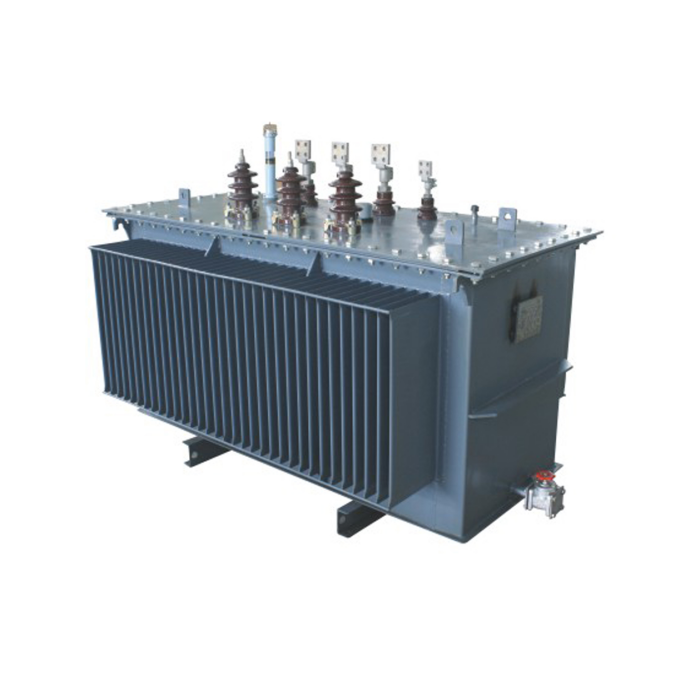
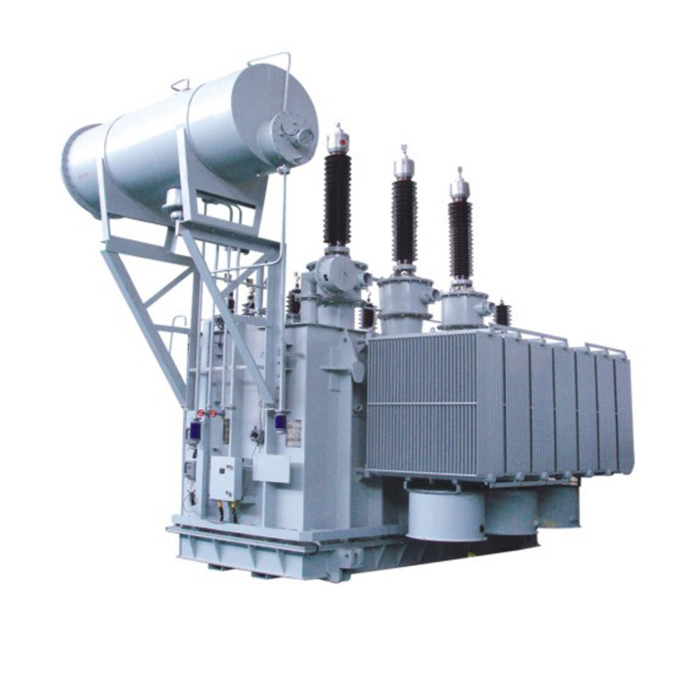
| By the cooling method | Oil-Immersed Transformers | Oil-cooled, excellent heat dissipation, mainstay of power systems |
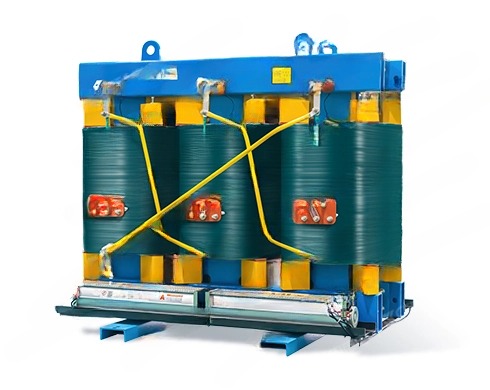
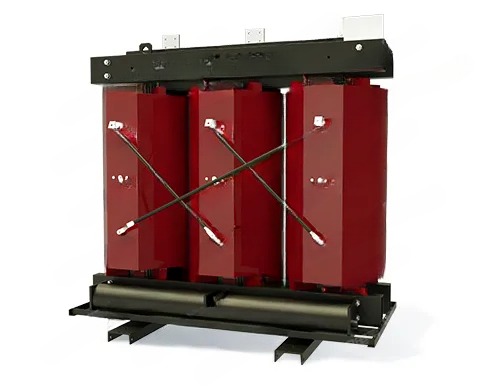
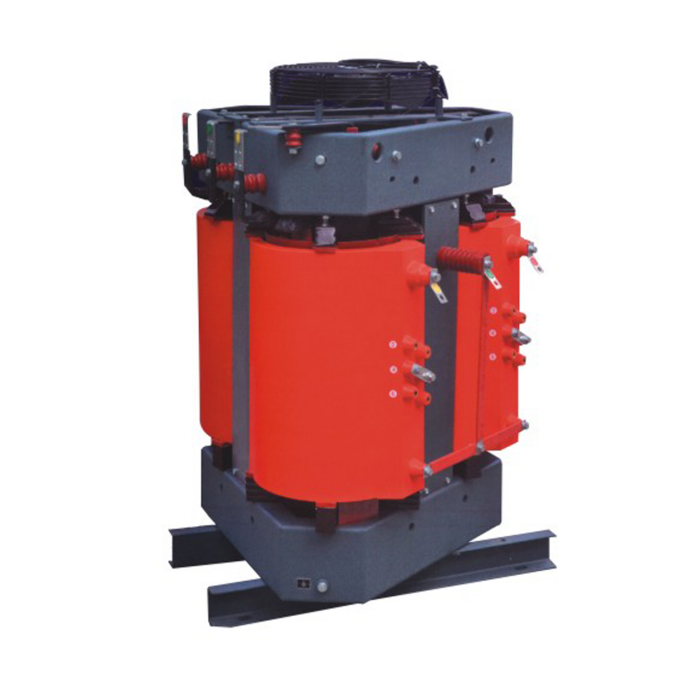
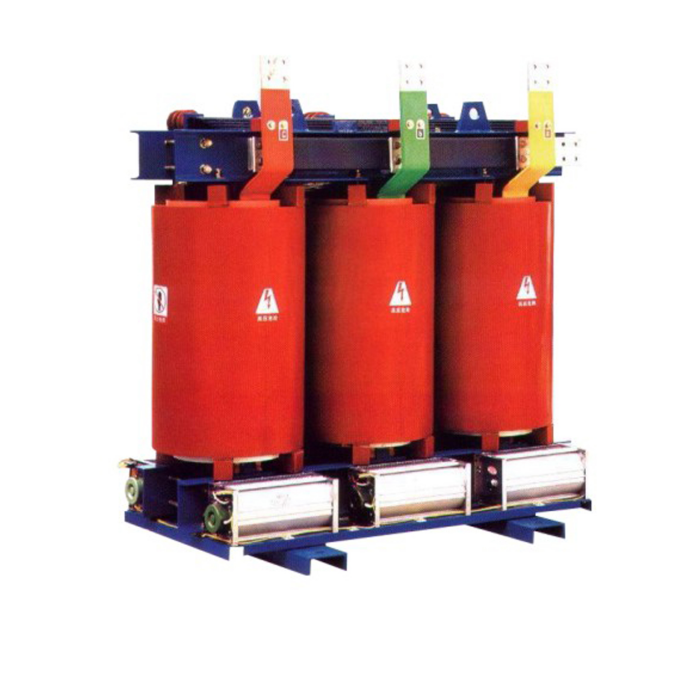
| Dry-Type Transformers | Air-cooled, flame-retardant, maintenance-free, suitable for buildings/subways/offshore platforms | |
| Gas-Filled Transformers | Gas-insulated, explosion-proof, suitable for urban central stations | |
| By application | Power Transformers | Step-up, step-down, interconnection, and distribution, the core of the power grid |
| Instrument Transformers | Voltage transformers, current transformers, measurement/protection | |
| Test Transformers | Power frequency/impulse high-voltage output, insulation withstand voltage test | |
| Special Transformers | Rectification, electric furnaces, mining, welding, traction, marine, etc. | |
| By number of phases | Single-Phase Transformers | Railway traction, lighting, and small capacity |
| Three-Phase Transformers | The absolute mainstream of the power grid | |
| Multi-Phase Transformers | Six-phase/twelve-phase, high-power rectification |
Industry-Related Policies:
In recent years, China has introduced a number of national policies, such as the "Guiding Opinions on Promoting High-Quality Development of Energy Equipment," the "Work Plan for Stabilizing Growth in the Power Equipment Industry (2025-2026)," and the "Implementation Plan for Digital Transformation of the Power Equipment Manufacturing Industry," focusing on areas such as transformer energy efficiency upgrades, equipment renewal, and digital transformation, laying a solid foundation for the high-quality development of the industry.
Current Status of the Transformer Industry
1. Output
According to the "2025-2030 China Power Equipment Industry In-Depth Analysis and Investment Decision Report" released by the China Business Industry Research Institute, the total output of transformers in China reached approximately 1.95 billion kVA in 2024, an increase of 11% compared to 2023. Among them, the output of high-voltage transformers (66kV and above) was 1.283 billion kVA, and the output of distribution transformers (35kV and below) was 645 million kVA. The total output of transformers in China is projected to reach approximately 2.106 billion kVA in 2025. Analysts at the China Business Industry Research Institute predict that the total output of transformers in China will reach 2.274 billion kVA in 2026.
2. Transformer Exports
China has become the world's largest transformer producer, having established the world's most complete transformer production system, accounting for approximately 60% of global production capacity. According to customs data, my country exported 314.833 million transformers in 2025, a year-on-year increase of 4.3%.
In 2025, my country's total transformer exports reached 64.634 billion yuan, a nearly 36% increase year-on-year, setting a new record. The average price per exported transformer rose to 205,000 yuan, an increase of about one-third compared to the previous year.
3. Number of Newly Registered Transformer-Related Enterprises
According to data from Qichacha, in 2025, 12,700 new transformer-related enterprises were registered in my country (only enterprises whose names, business scopes, and brand products contain the keyword "transformer" are counted), a year-on-year increase of 4.9%. In terms of existing enterprises, as of the end of 2025, there were 138,000 transformer-related enterprises in operation in my country.
Among the newly registered enterprises in 2025, East China accounted for the largest share at 42.7%, followed by South China at 24.9%, and North China, Central China, and Southwest China at 11.2%, 7.9%, and 5.6%, respectively.
Transformer Industry Development Prospects
1. Driven by both policy and demand, the industry continues its high prosperity.
The State Grid's "15th Five-Year Plan" clearly outlines 4 trillion yuan in fixed asset investment, a 40% increase compared to the "14th Five-Year Plan," with an average annual investment of 800 billion yuan. Ultra-high voltage (UHV) power transmission is a key area of grid investment, with an estimated investment of 500-800 billion yuan over five years. Transformers, as core equipment, account for 25%-30% of investment per line, indicating continued strong demand. This is further supported by new energy grid connection, AI data center construction, aging power grid renovation, and overseas capacity gaps. Currently, transformer factories in the two core production areas of Guangdong and Jiangsu maintain capacity utilization rates above 90%, with some leading companies even operating at full capacity. Orders for data center business are generally booked until 2027, indicating a long-term tight supply-demand balance and overall steady growth.
2. Accelerated technological iteration, products upgrading to high efficiency, intelligence, and green technology.
In the short term, high-efficiency and energy-saving technologies such as amorphous alloys and vegetable insulating oil are rapidly penetrating the market. The penetration rate of amorphous alloy transformers is expected to increase to over 35% by 2026, aligning with the "dual carbon" target and the new national energy efficiency standards. In the medium term, intelligent transformers, by integrating sensors and edge computing technologies, achieve real-time status monitoring and remote operation and maintenance, significantly increasing added value and are expected to dominate the market by 2030. In the long term, solid-state transformers, as the next-generation core technology, are smaller and have lower losses, and have entered a critical stage of commercialization, gradually reshaping the industry's technological landscape.
3. High Export Growth Still Requires Breakthroughs in High-End Barriers
Currently, my country's transformer exports are performing well, with total exports reaching 64.6 billion yuan in 2025, a year-on-year increase of nearly 36%. However, from a long-term development perspective, the industry still faces many severe challenges. On the one hand, market barriers still exist: European and American markets tend to choose domestic and allied brands in core areas such as the main grid, and Chinese companies mostly enter the distribution network and other segments as supplementary production capacity. Entering the North American market still requires passing stringent qualification certifications. On the other hand, domestic companies still lag behind international first-class standards in core areas such as high-end ultra-high-voltage equipment and special transformers. Meanwhile, although cutting-edge technologies such as solid-state transformers have entered the commercial exploration stage, due to system complexity and high costs, continuous research and development breakthroughs are still needed. In the long run, China's transformer industry needs to break through the barriers of the high-end market and make up for its technological shortcomings in order to upgrade from simply exporting products to gaining recognition for technical standards.