
Solid-State Transformers Accelerate Industrialization Amid Computing-Power Synergy Boom
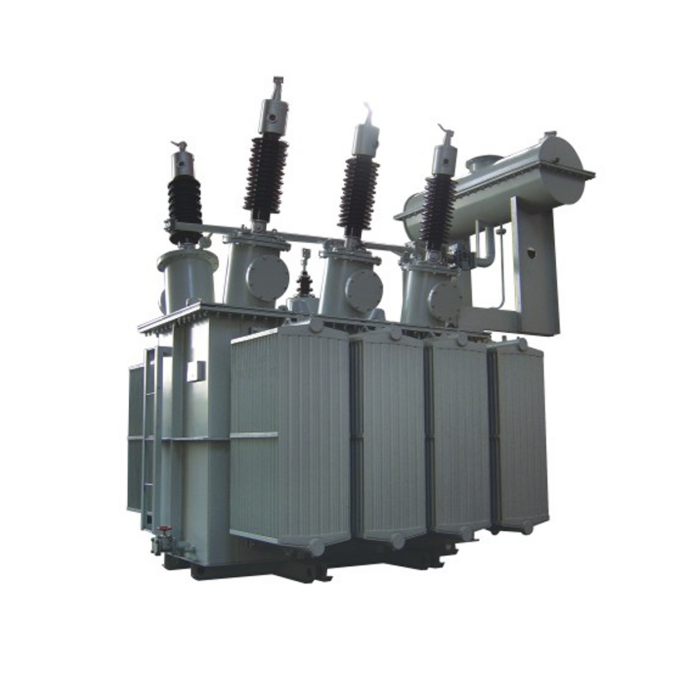
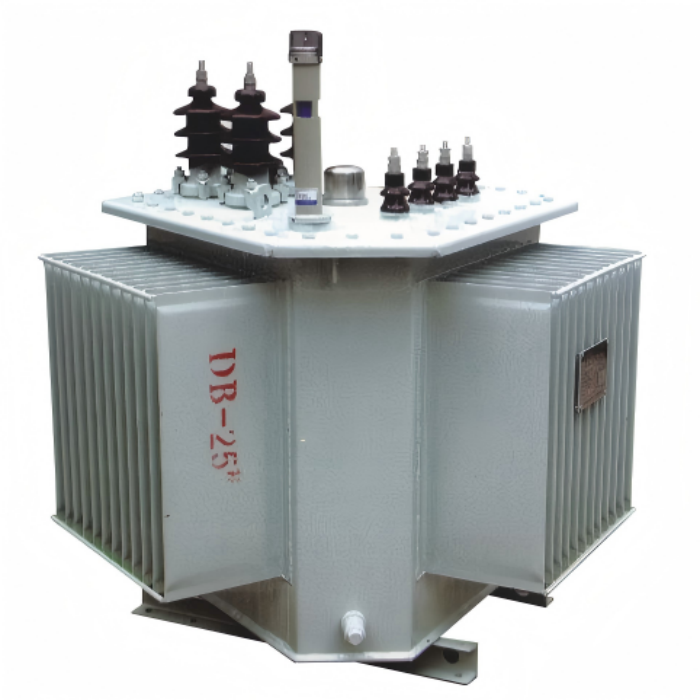
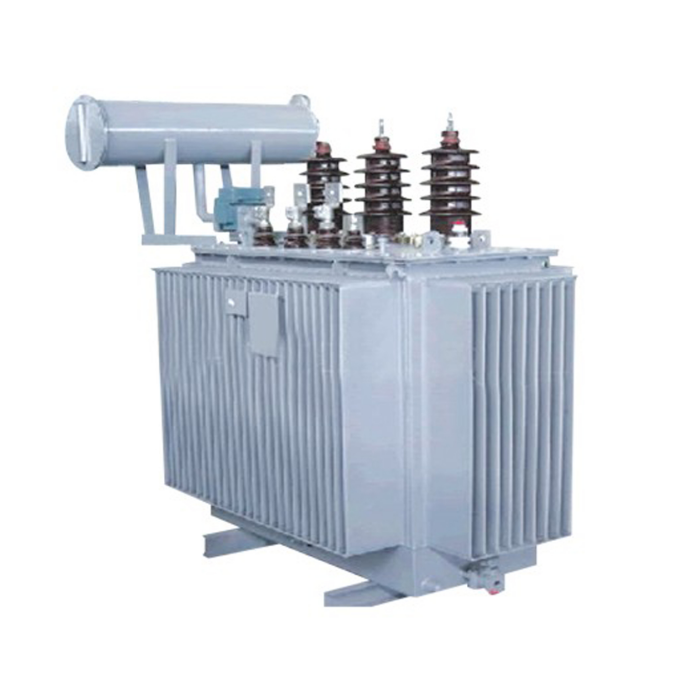
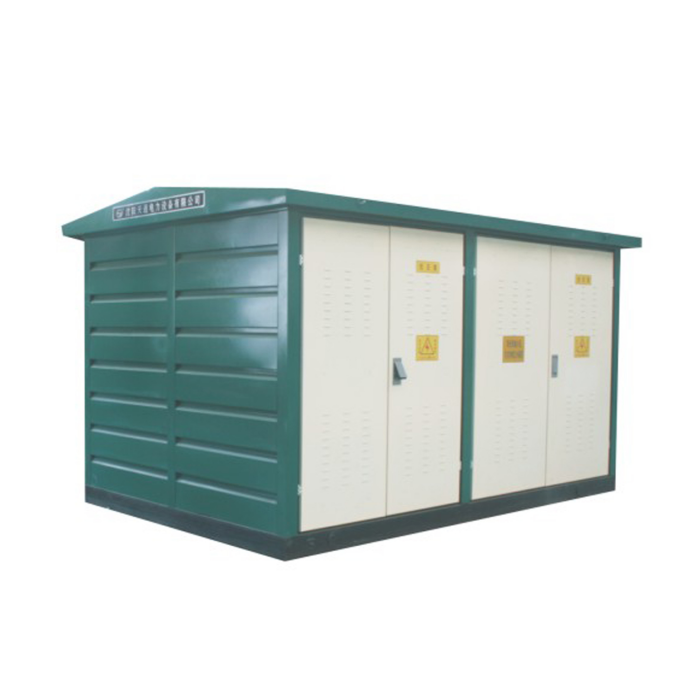
In 2026, “computing-power synergy” was first incorporated into China's national-level new infrastructure projects. Coupled with the explosive global demand for power in AI computing centers, solid-state transformers (SSTs)—core equipment for new power systems—are transitioning from technological demonstration to large-scale commercialization. The industry now faces dual development opportunities in both domestic and international markets.
Policy + Market Dual Drivers Fuel Comprehensive Demand Surge
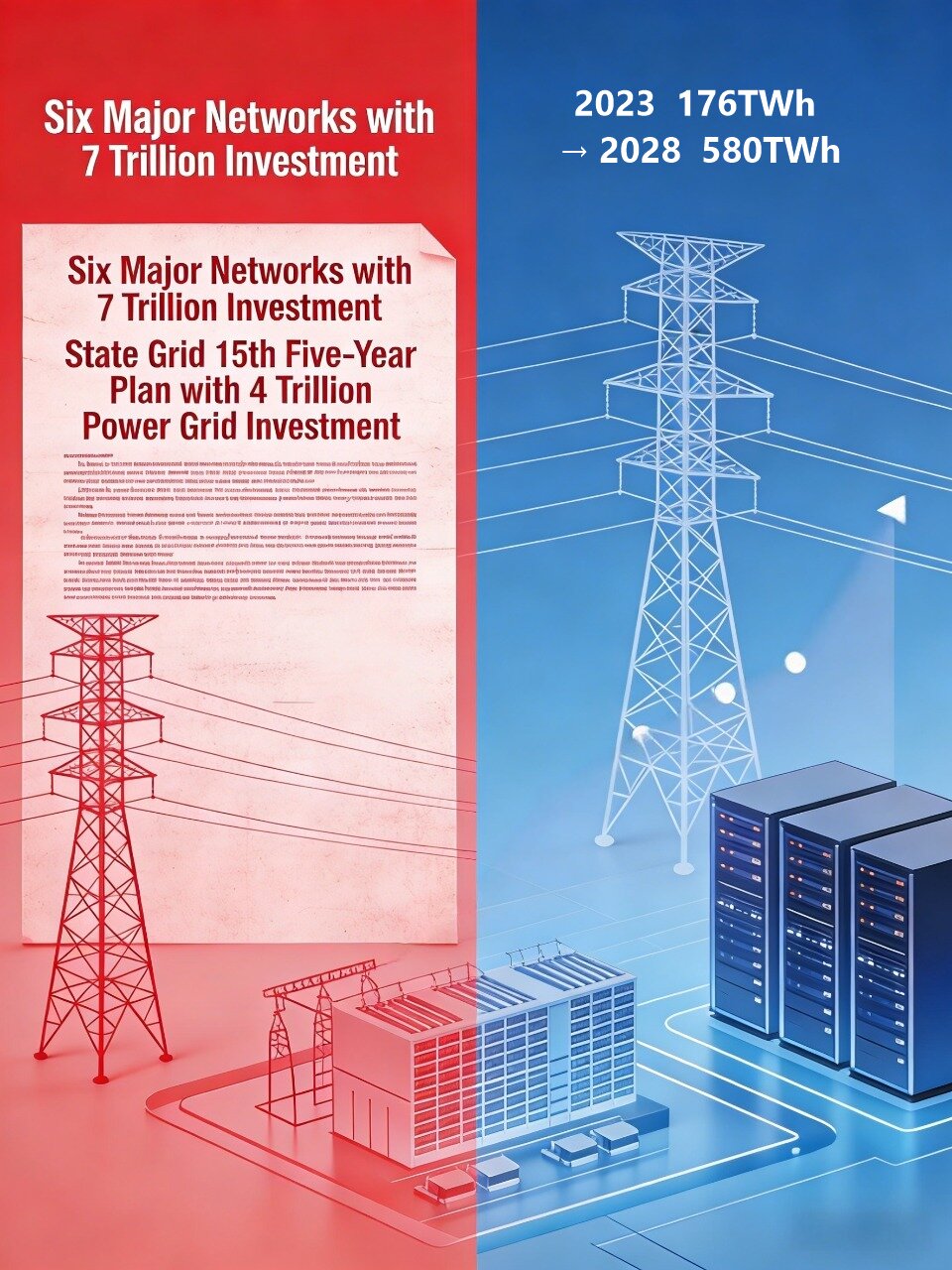
At the policy level, “computing-power synergy” has been elevated to national top-level design. The National Development and Reform Commission (NDRC) is advancing the construction of the “Six Networks” with a total investment exceeding 7 trillion yuan, with power grid development occupying a prominent position.
State Grid Corporation of China (SGCC) plans to complete 4 trillion yuan in fixed-asset investment during the 15th Five-Year Plan period, representing a 40% increase over the 14th Five-Year Plan period. The intelligent upgrade of distribution grids has opened up vast application prospects for solid-state transformers.
On the market front, global AI computing centers exhibit exponential growth in electricity demand, serving as the primary driver for solid-state transformer adoption. U.S. data centers consumed 176 TWh in 2023, accounting for 4.4% of total electricity usage. Optimistic projections indicate this figure will surge to 580 TWh by 2028, representing 12% of total consumption. Given AI computing centers' stringent requirements for power stability and quality, the rapid response and high-efficiency conversion characteristics of solid-state transformers make them an essential power supply solution for next-generation computing facilities.
Outstanding Core Advantages: The Key Enabler for Computing-Power Synergy
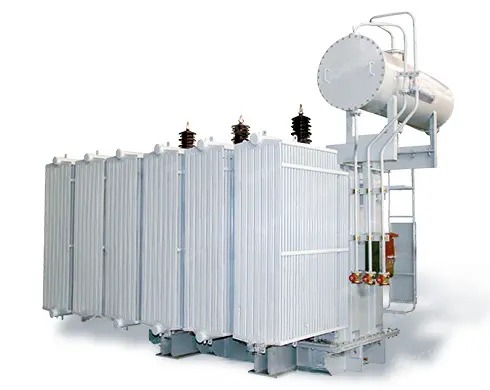
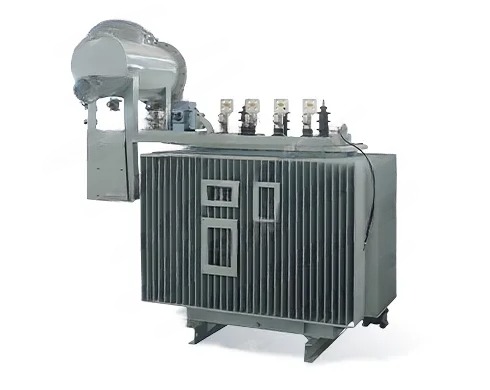
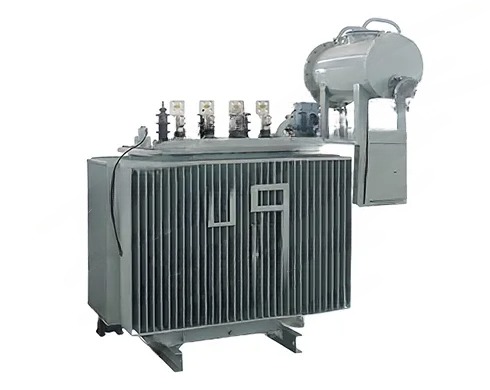
As an upgraded replacement for traditional power-frequency transformers, solid-state transformers leverage core advantages including high conversion efficiency (industry-leading levels reaching 98%), rapid response times, compact size, and flexible integration with distributed energy sources like PV and energy storage.
This enables a fundamental shift from “passive power transformation” to “active power control,” perfectly aligning with the power supply demands of AI-era computing centers and new power systems. As such, they have become the critical equipment for realizing computing-power synergy.

Global Supply-Demand Gap Emerges, Creating Golden Window for Overseas Expansion
Surge in overseas power equipment demand presents significant overseas expansion opportunities for the solid-state transformer industry. The approval of the US's new $75 billion grid construction project and commitments by seven tech giants including Microsoft and Google to self-power AI data centers have directly boosted demand for transformers and other power equipment. However, domestic US manufacturing faces challenges such as lengthy delivery cycles and skilled labor shortages, making it difficult for local capacity to meet the growing market demand and creating a significant supply-demand gap.
China possesses core technological advantages and a complete industrial chain for grid equipment like transformers. Its R&D and product portfolio in solid-state transformers have aligned with international standards.
Against the backdrop of global grid upgrades and rising AI computing power demands, China's solid-state transformer industry is entering a golden window period for overseas expansion, poised to achieve both volume and profit growth.

Industry Scale Surges, Entering New Phase of Commercial Scaling
With policy implementation, technological maturity, and explosive market demand, the solid-state transformer industry is experiencing rapid growth. The sector is poised to transition from demonstration applications to large-scale commercial deployment. As domestic supply chains mature and mass production processes optimize, costs will gradually decline, enhancing cost-effectiveness and unlocking sustained market expansion.