
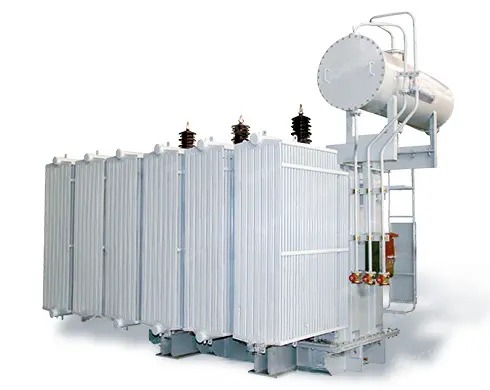
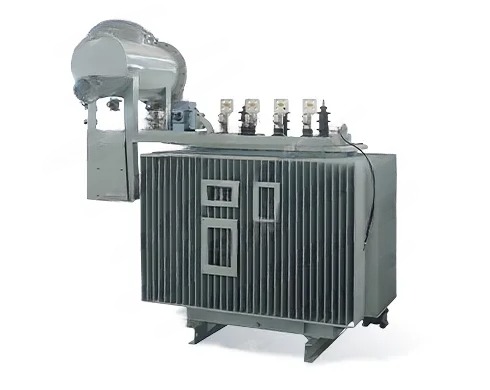
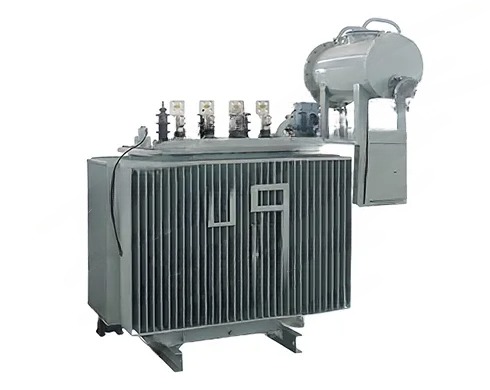
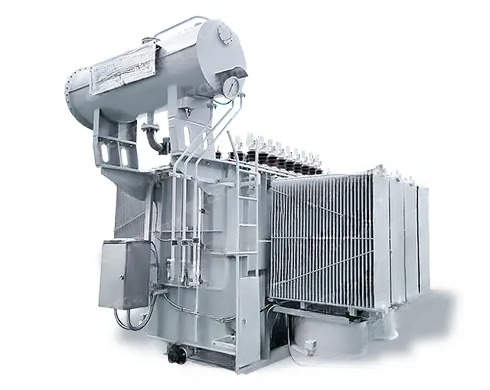
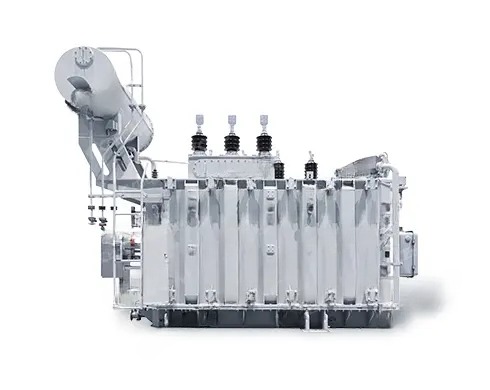
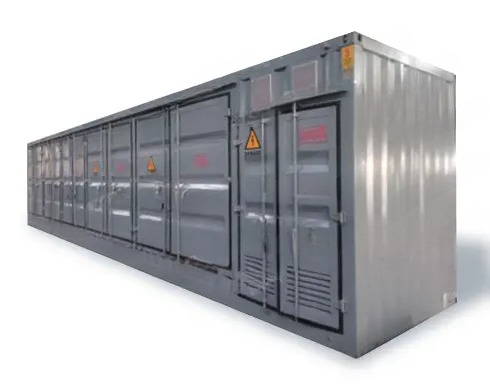
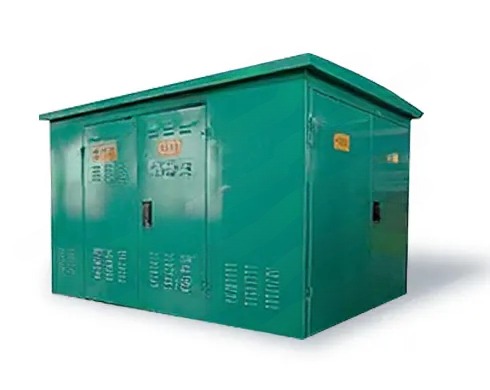
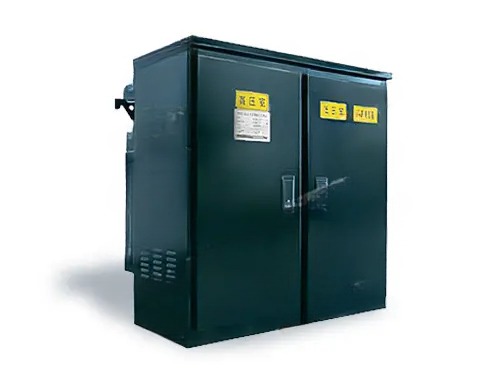
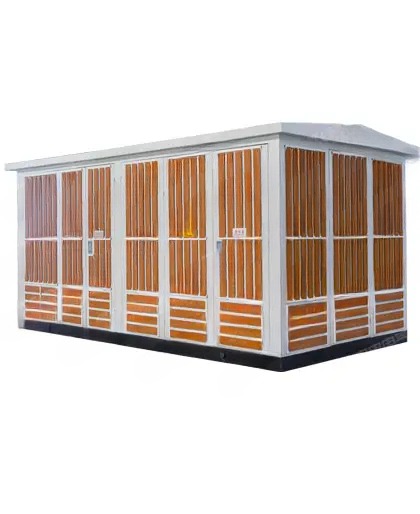
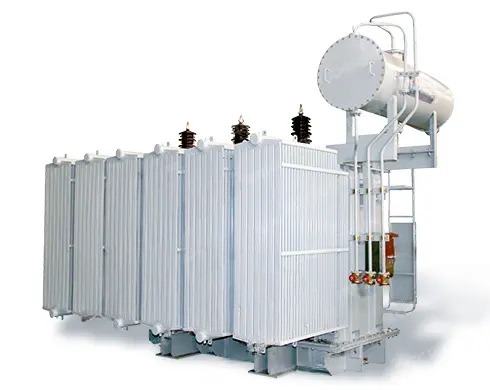
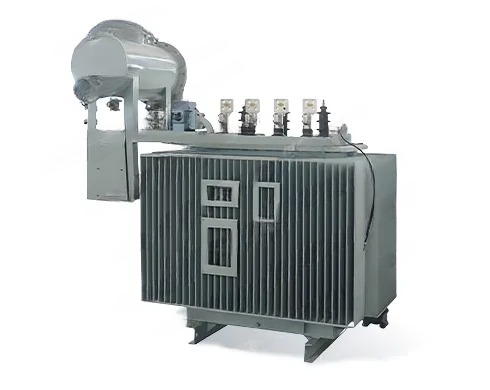
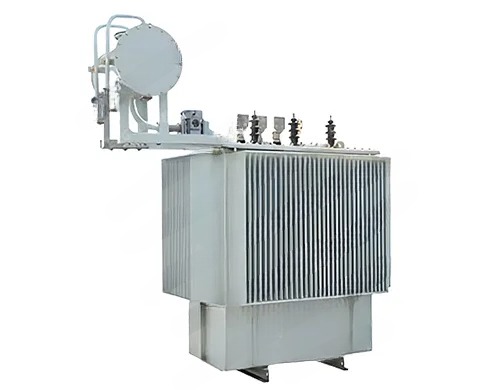
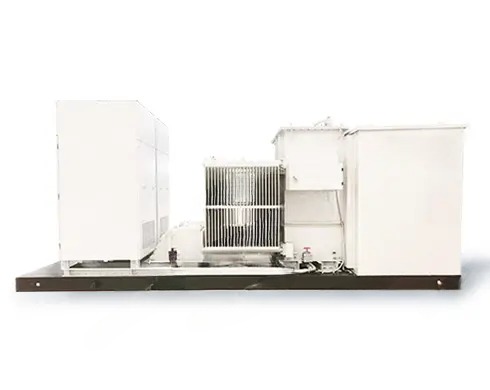
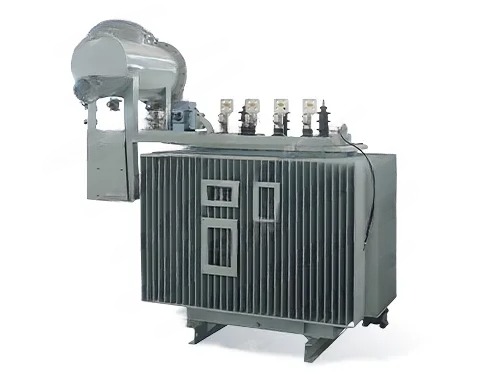
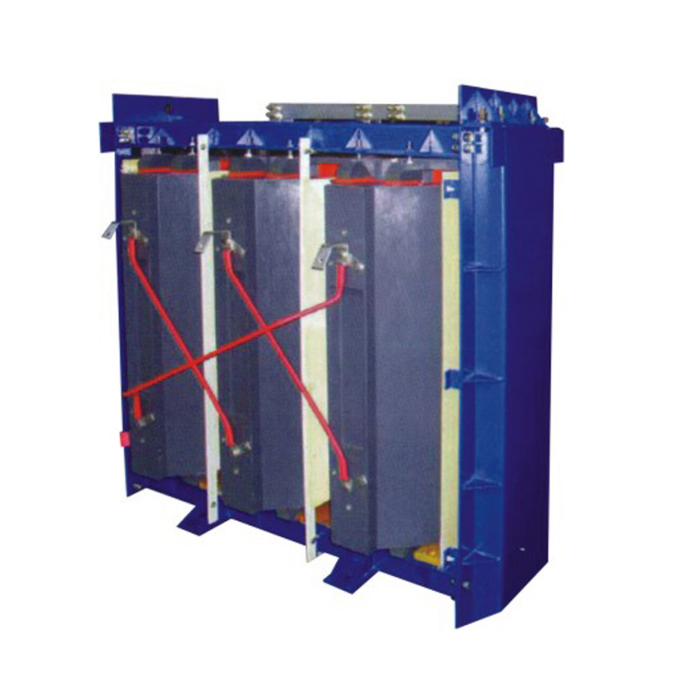
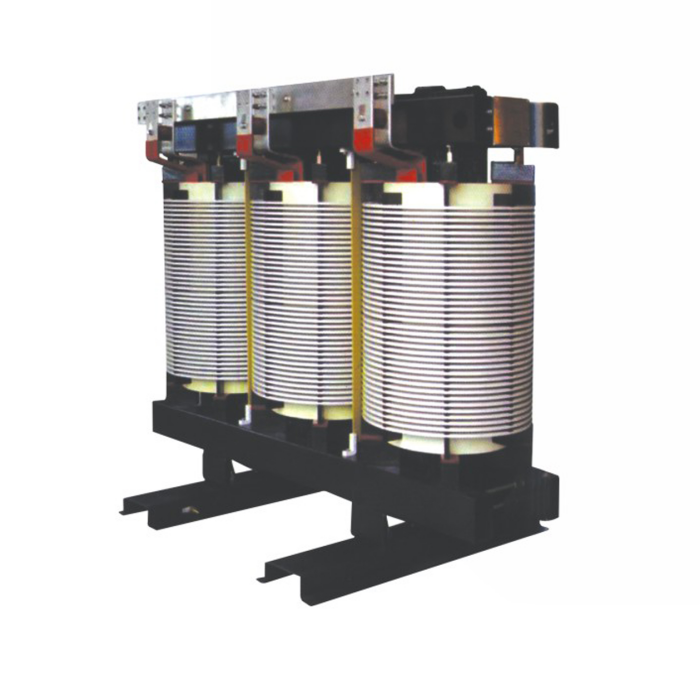
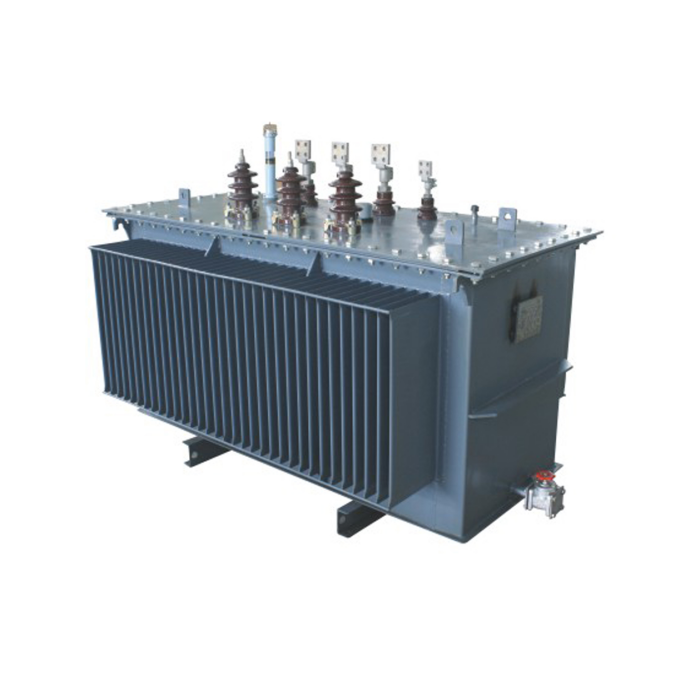
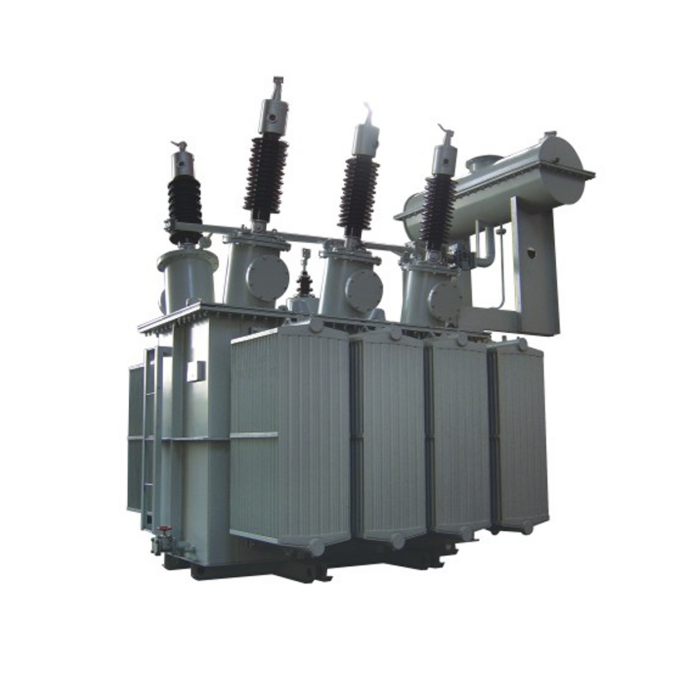
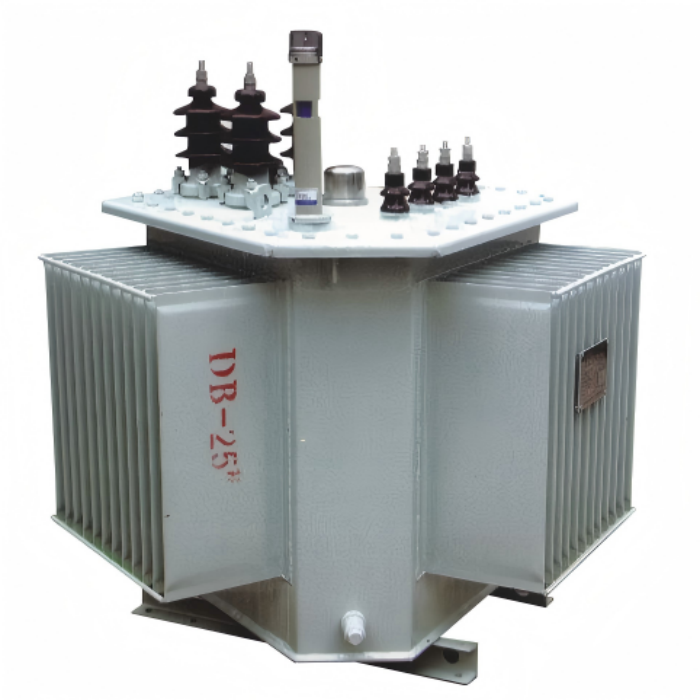
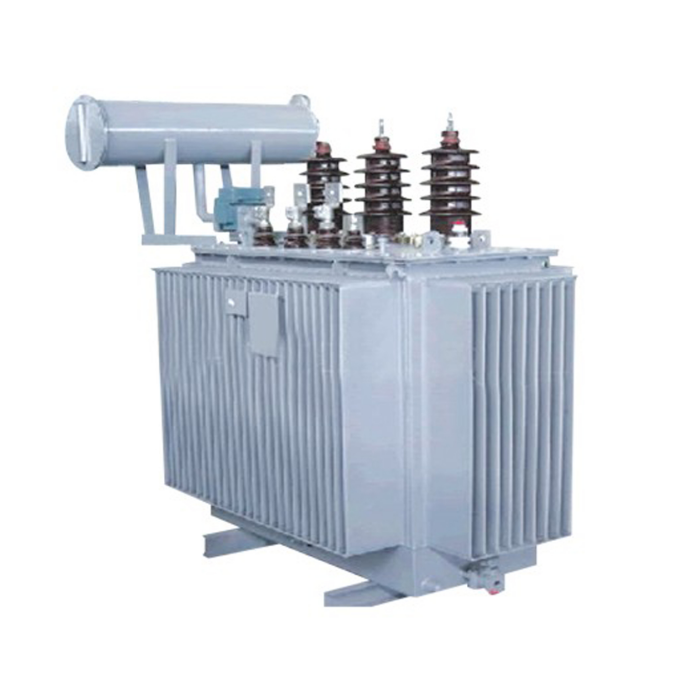
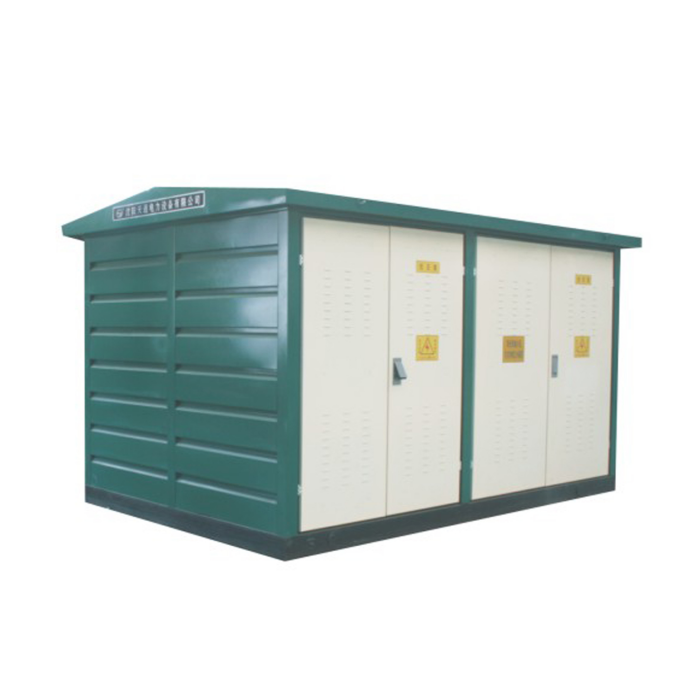
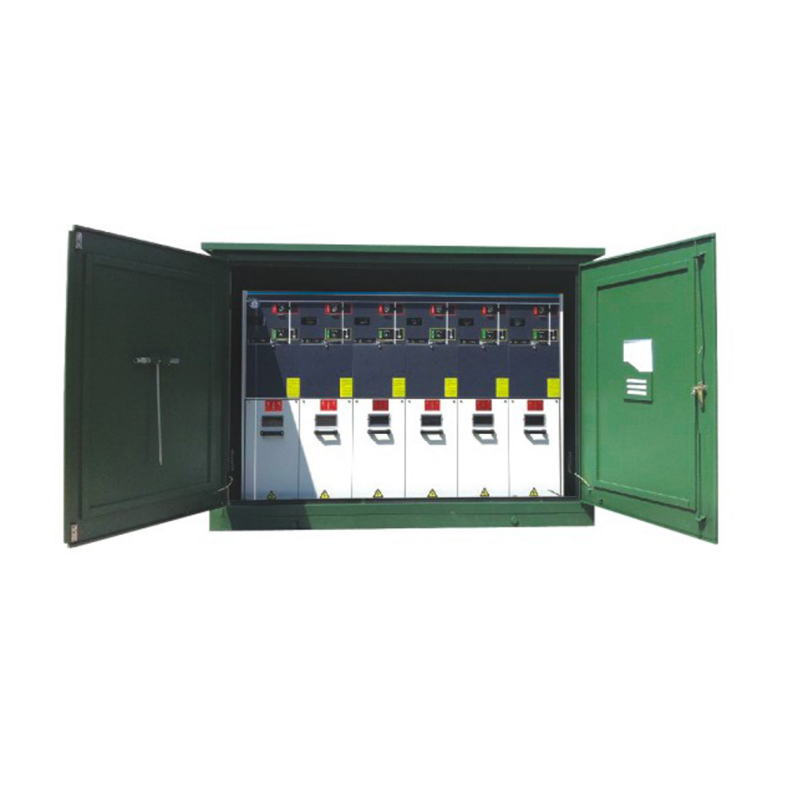
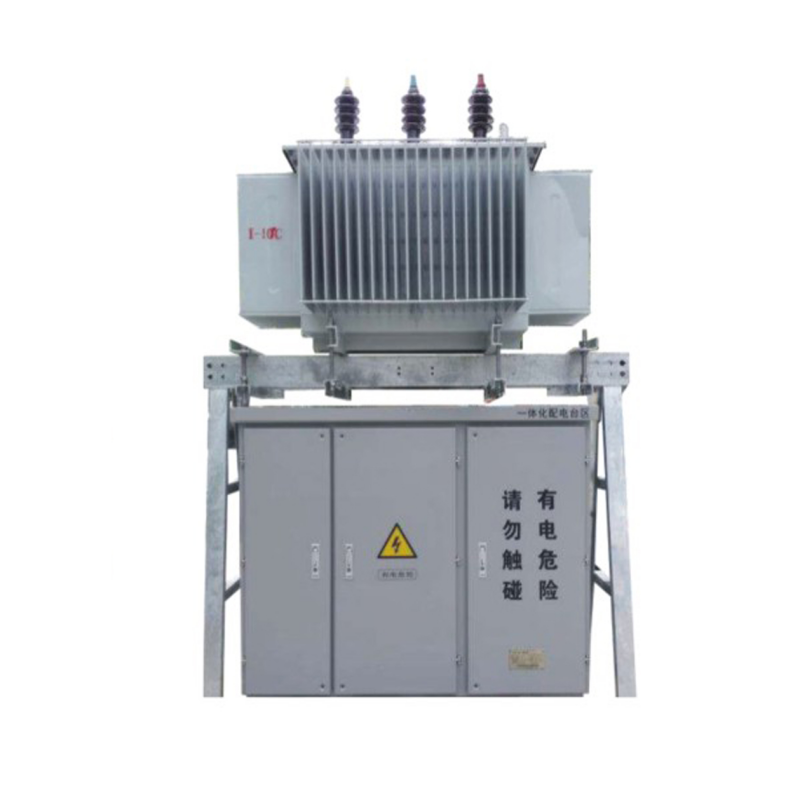
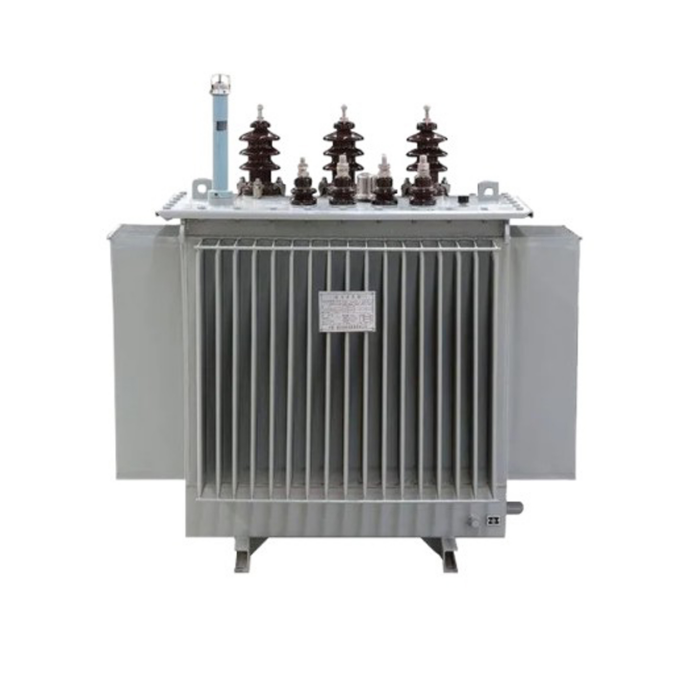
Both the S11 and S13 series are common types of oil-immersed transformers. While they are fundamentally similar in terms of structural form, application scenarios, and operational modes, they exhibit distinct differences regarding no-load losses, energy efficiency ratings, procurement costs, and priorities for long-term operation.
S13 oil-immersed transformers typically feature lower no-load losses and superior energy-saving performance, making them better suited for projects with stringent energy efficiency requirements. In contrast, S11 oil-immersed transformers—thanks to their mature technology, lower procurement costs, robust operational stability, and well-established maintenance support—remain widely deployed today across mines, ports, metallurgy facilities, industrial parks, and large-scale infrastructure projects.
For industrial projects, the decision of whether to select an S11 or an S13 transformer depends not merely on which model is "more advanced," but rather on the specific operational environment, load characteristics, budget, and long-term operational requirements of the project itself.
What are S11 and S13 Transformers?
Both the S11 and S13 series are three-phase oil-immersed transformers, widely utilized in power distribution systems rated at 35 kV and below.
Both series feature an oil-immersed cooling structure, offering excellent heat dissipation capabilities and long-term operational stability. They are suitable for a wide range of applications, including industrial facilities, mining operations, power utilities, new energy projects, and urban power distribution networks.
The primary differences between the two lie mainly in the following aspects:
• No-load losses.
• Energy efficiency ratings.
• Core materials and design.
• Long-term energy-saving performance.
• Procurement costs.
Simply put:
The S11 series represents a mature and stable solution, whereas the S13 series is geared more specifically toward low-loss, energy-efficient performance.
What is the primary difference between S11 and S13 oil-immersed transformers?
Difference in No-Load Losses
One of the most significant characteristics of S13 oil-immersed transformers is their lower no-load loss.
Compared to the S11 series, the S13 typically utilizes lower-loss silicon steel materials and an optimized core structure; consequently, it is able to reduce a portion of no-load energy loss during long-term operation.
This difference becomes particularly pronounced in projects involving prolonged light-load operation or those with stringent energy-saving requirements.
However, for many industrial projects involving sustained heavy-load operation—where the equipment remains under load for the majority of the time—the actual energy savings realized during operation are often not as significant as the theoretical specifications might suggest.
Differences in Energy Efficiency Ratings
The S13 series typically corresponds to a higher energy efficiency rating, aligning more closely with current trends in energy conservation and emission reduction.
In recent years, various government initiatives, new energy projects, and urban power distribution systems have prioritized high-efficiency transformers to meet specific energy-saving and environmental protection requirements.
Conversely, while the S11 series possesses a slightly lower energy efficiency rating than the S13, it remains fully capable of meeting the practical operational demands of most industrial projects, striking an excellent balance between stability and cost-effectiveness.
Differences in Procurement Costs
For many industrial projects, procurement cost remains a critical factor in the decision-making process.
Given that the S13 series imposes more stringent requirements regarding core materials and loss control, its overall manufacturing cost is typically higher than that of the S11 series.
This disparity in procurement costs becomes particularly pronounced in large-scale power distribution systems.
Consequently, for budget-sensitive projects, many EPC contractors and industrial enterprises continue to prioritize the S11 series.
Differing Priorities for Long-Term Operation
The S13 series places greater emphasis on minimizing long-term no-load losses.
The S11 series, conversely, prioritizes:
• Operational stability.
• Technical maturity.
• Comprehensive procurement costs.
• Adaptability to industrial environments.
This is one of the reasons why many mining operations and heavy industrial projects continue to widely utilize the S11 series to this day.
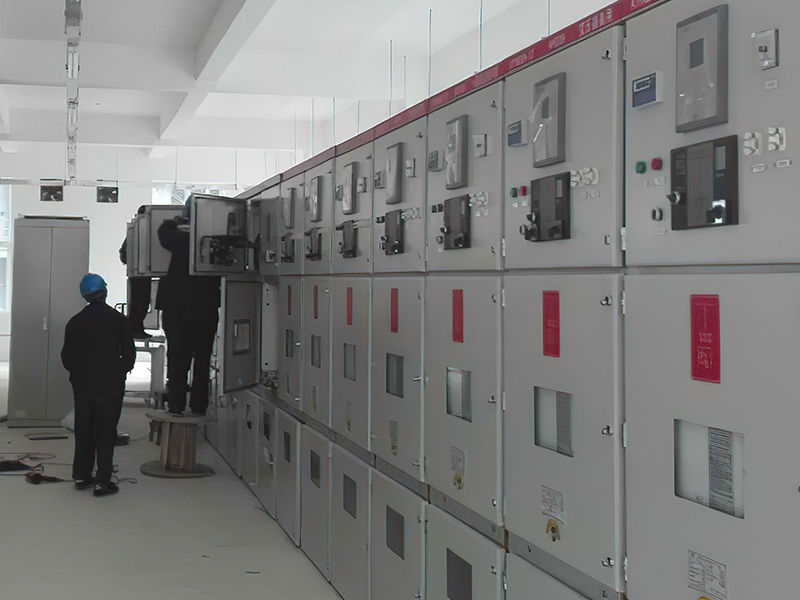
Why Do Many Industrial Projects Still Opt for S11 Oil-Immersed Transformers?
Although the S13 series offers advantages in terms of energy efficiency, in many industrial projects, clients often prioritize—not theoretical energy consumption—but rather the equipment's ability to operate stably over the long term.
This is particularly true in sectors such as mining, ports, metallurgy, and large-scale industrial parks, where equipment typically requires continuous, long-duration operation. Should a transformer fail, the resulting losses from production downtime often far exceed the electricity cost savings gained through theoretical energy efficiency.
Consequently, many industrial projects place greater emphasis on:
Stability
Heat dissipation capability
Short-circuit withstand capability
Ease of future maintenance
Availability of spare parts
Proven long-term operational track record
And these are precisely the strengths that the S11 series has accumulated over years of service.
A More Mature Operational Framework
S11 oil-immersed transformers have been utilized in industrial power distribution systems worldwide for many years, boasting extensive operational experience and a mature maintenance infrastructure.
For many EPC contractors, a mature and stable equipment solution often translates to lower project risk.
This is particularly true in remote mining regions or large-scale industrial projects, where the complexity of post-installation equipment maintenance is high; consequently, clients typically prefer to select products backed by a proven track record of operational reliability.
Better Suited for High-Load Industrial Environments
When large-scale equipment in industrial projects is powered up, it frequently generates significant inrush currents.
The S11 series typically features high-purity oxygen-free copper windings and a well-established oil-immersed structural design. Endowed with superior mechanical strength and robust short-circuit withstand capability, these units are ideally suited for scenarios involving prolonged, heavy-load operation.
For industrial systems requiring continuous, 24-hour operation, equipment stability is often considered a more critical priority than theoretical energy efficiency gains.
Better Suited for Complex Operating Environments
The operating environments found in mining and heavy industrial projects are often inherently complex.
For example:
Underground Mines
Characterized by prolonged periods of high humidity, high dust levels, and restricted ventilation.
Open-Pit Mines
Subject to prolonged exposure to extreme temperatures (both high and low), rain, snow, salt mist, and strong winds.
Under such conditions, factors such as equipment heat dissipation performance, sealing integrity, and long-term stability are often far more critical than energy-saving specifications.
The oil-immersed S11 design typically offers superior heat dissipation capabilities and demonstrates a strong capacity to adapt to the challenges of complex outdoor environments.
Which Projects Are Best Suited for S13 Oil-Immersed Transformers?
While many industrial projects still opt for the S11 series, this does not imply that the S13 series is unimportant.
In fact, the S13 offers distinct advantages in the following scenarios:
Projects with stringent energy-saving requirements
Systems operating under light loads for extended periods
Urban commercial power distribution
Government-led energy-saving retrofit projects
Certain new energy power distribution systems
Public facilities requiring high energy efficiency ratings
For systems characterized by a high proportion of long-term no-load operation, the S13's lower no-load losses translate into more significant energy-saving benefits.
Consequently, S13 oil-immersed transformers are best suited for projects where long-term energy conservation is the primary objective.
How should industrial projects be selected?
For industrial users, what truly matters is not "which option is more advanced," but rather "which option is better suited to their specific project."
If a project prioritizes the following factors:
Initial procurement costs
Long-term operational stability
High-load operation
Complex outdoor environments
Ease of maintenance
Proven operational track record
Then S11 Oil-Immersed Transformers are often the more economical and stable choice.
If a project prioritizes:
Energy conservation and emission reduction
Lower no-load losses
Level 1 energy efficiency requirements
Long-term light-load operation
Urban power distribution systems
Then S13 Oil-Immersed Transformers typically offer greater advantages.
What transformer-related issues do industrial projects worry about most?
For industrial users, the primary concern is not merely the equipment itself, but rather the risks of production downtime and the maintenance costs resulting from equipment failure.
Common issues include:
Winding short circuits
Insulation aging
Core overheating
Oil leakage
Cooling system failure
Tap changer failure
Particularly in the mining and heavy industry sectors, where equipment often requires continuous, long-term operation, a single failure can result in extremely high repair costs and significant losses due to production downtime.
Consequently, when making procurement decisions, many industrial clients place a greater emphasis on the long-term stability of the equipment rather than focusing solely on theoretical energy-saving parameters.
Why are oil-immersed transformers still widely used in industrial projects?
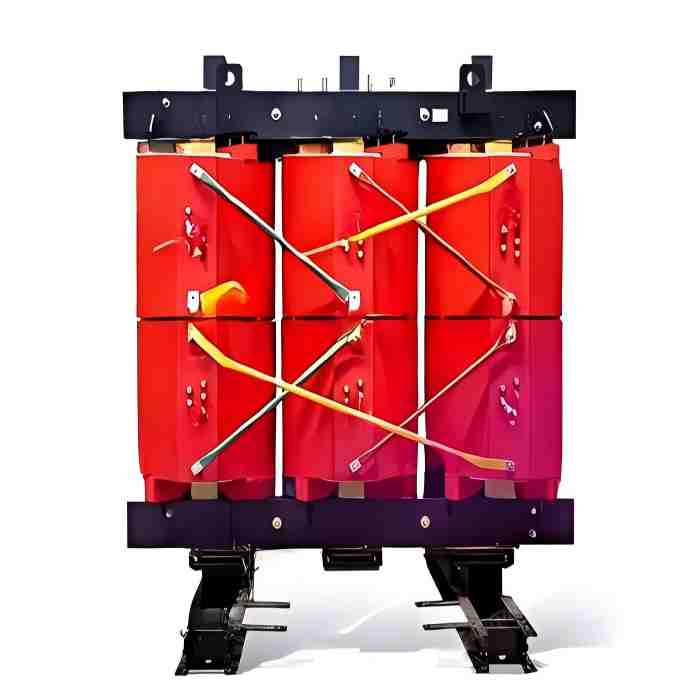
Although dry-type transformers are increasingly being adopted in certain indoor settings, oil-immersed designs remain the more common choice in large-scale industrial and mining projects.
The primary reasons include:
Superior heat dissipation capabilities
Greater suitability for high-capacity systems
Higher overload tolerance
Better adaptability to outdoor environments
Greater suitability for long-term continuous operation
Particularly in medium-to-high voltage systems (35kV and above), oil-immersed solutions remain the mainstream choice for many EPC contractors and industrial enterprises.
FAQ
Which is more energy-efficient: the S11 or the S13?
S13 oil-immersed transformers typically exhibit lower no-load losses, giving them a distinct advantage in terms of energy efficiency.
Why do many industrial projects still opt for the S11?
Because many industrial projects prioritize equipment stability, ease of maintenance, and overall procurement costs over theoretical energy-saving metrics alone.
Are S11 oil-immersed transformers better suited for mining projects?
For scenarios involving sustained heavy loads, complex operating environments, and continuous operation, the S11 typically aligns more closely with the practical requirements of many mining projects.
Are S13 oil-immersed transformers necessarily superior to S11 oil-immersed transformers?
Not necessarily.
Different projects have varying operating environments, budgets, and load characteristics; consequently, the rationale for selecting a specific model will also differ.
What factors should industrial projects prioritize?
For most industrial projects, factors such as long-term operational stability, failure rates, maintenance costs, and adaptability to the operating environment are generally considered more critical than energy-saving parameters alone.
Both the S11 and S13 series represent highly significant oil-immersed transformer solutions within current industrial power distribution systems.
The S13 places greater emphasis on energy conservation and low loss, whereas the S11 prioritizes stability, proven maturity, and adaptability to industrial environments.
For sectors such as mining, ports, metallurgy, railways, and large-scale industrial parks, the value derived from the long-term, stable operation of equipment often far outweighs the theoretical differences in energy savings.
This is a key reason why the S11 continues to enjoy widespread application in numerous heavy industrial projects to this day.