
Answer:
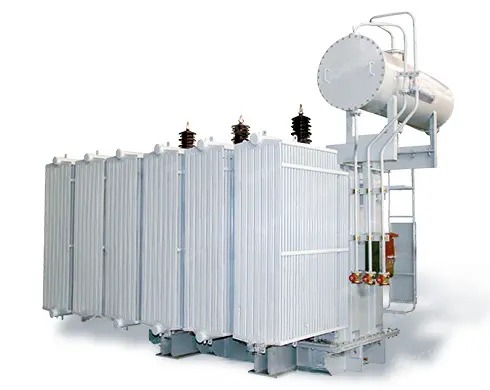
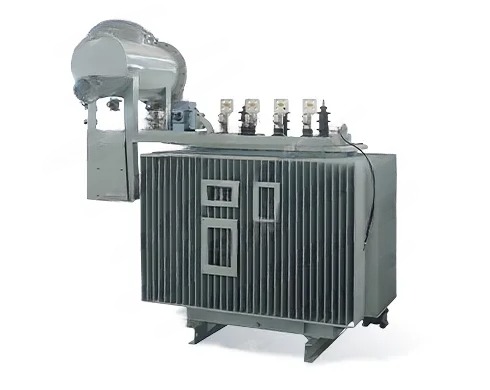
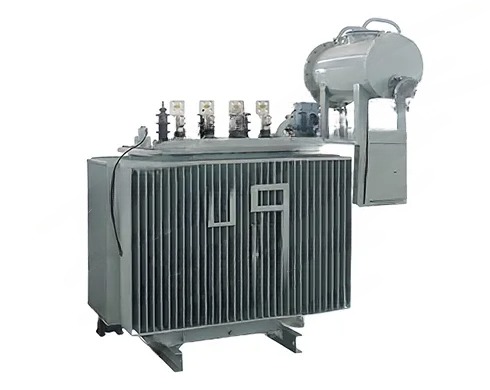
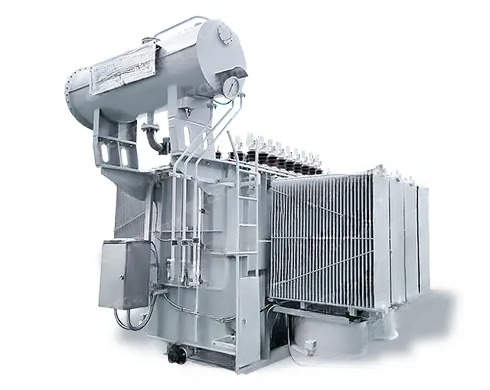
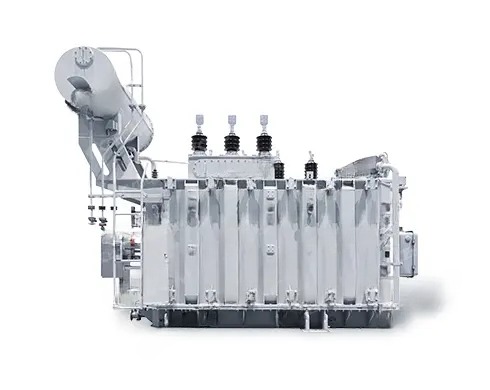
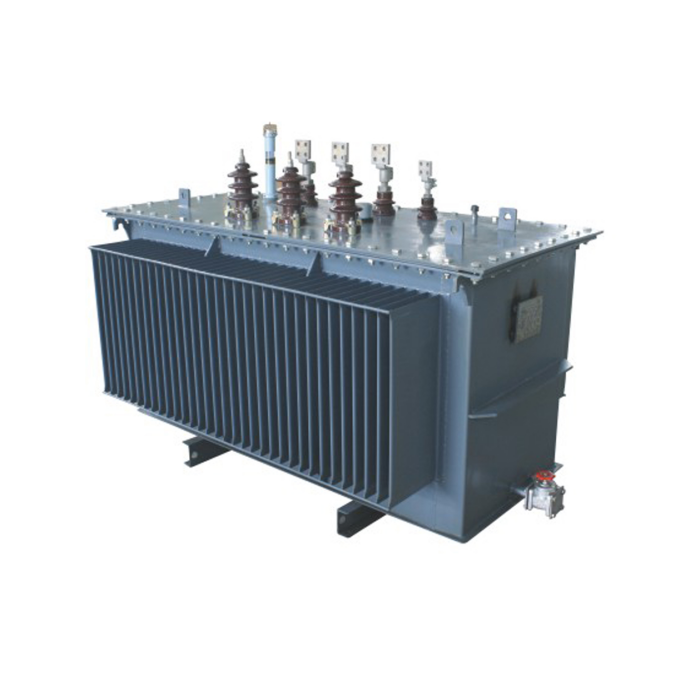
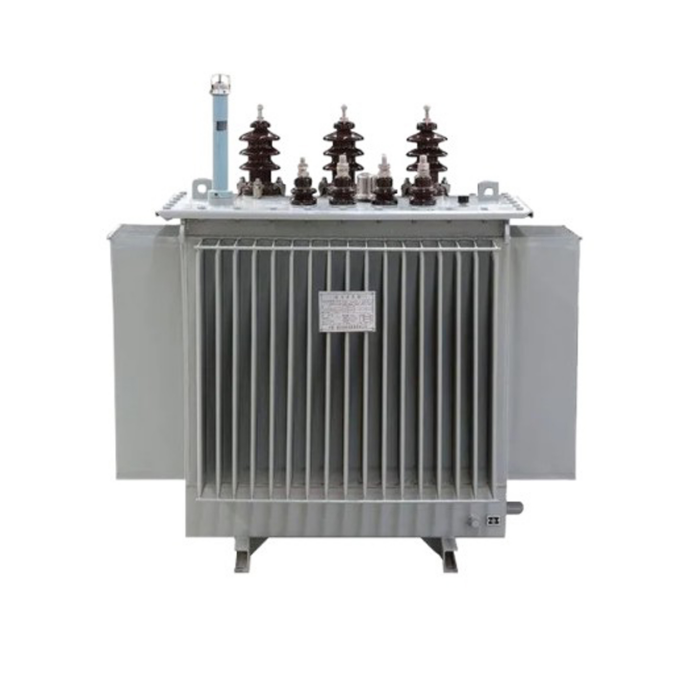
The S11 oil-immersed transformer is widely utilized in mining and industrial projects due to its ability to provide stable power distribution, low energy consumption, robust overload capacity, and reliable long-term operational performance—even in harsh environments.
Compared to dry-type transformers, the S11 model features superior heat dissipation capabilities and demonstrates greater adaptability to dusty, humid, and outdoor operating conditions, making it particularly well-suited for applications within the heavy industrial sector.
What specific requirements do mining and industrial projects impose on transformers?
Compared to typical commercial or residential settings, the operating environments of mining and heavy industrial projects are far more complex, placing significantly higher demands on transformers.
Underground Mining Environments
In underground mines, transformers are frequently subjected to prolonged exposure to high humidity, heavy dust, and restricted ventilation. Furthermore, certain mining zones may present additional challenges such as vibration, mechanical shock, and the presence of flammable or explosive gases.
In such environments, equipment must not only possess excellent insulation properties but also demonstrate robust resistance to moisture and dust, along with the capacity for stable, long-term operation. If a transformer's heat dissipation is inadequate or its insulation performance degrades, it can easily lead to winding short circuits, accelerated insulation aging, or even catastrophic equipment failure.
Open-Pit Mining Environments
Compared to underground mines—which offer more expansive spaces—open-pit mines expose equipment to a complex array of natural elements over extended periods, including extreme temperatures (both high and low), strong winds, heavy rainfall, salt spray, and substantial dust accumulation.
For 35kV power distribution systems operating outdoors over the long term, key concerns for clients typically revolve around the equipment's heat dissipation capabilities, the integrity of the oil tank's sealing, and its resistance to corrosion.
Moreover, as most mining projects are situated in remote regions, equipment malfunctions can result in prohibitively high repair costs and significant production downtime. Consequently, when making procurement decisions, many EPC contractors and mining companies prioritize transformer solutions that offer proven operational stability, established maintenance protocols, and a demonstrably low failure rate.
Why Do Many Industrial Projects Still Choose S11 Transformers?
Although the current market features newer models—such as the S13 series, amorphous alloy transformers, and various other energy-efficient designs—the S11 oil-immersed transformer remains widely adopted in numerous mining and industrial projects.
The reason for this preference is not that it represents the "latest" technology, but rather that it offers a more balanced solution across key factors: stability, cost-effectiveness, ease of maintenance, and long-term operational reliability.
Better Suited for Sustained High-Load Operation
In industrial settings, large motors, crushing equipment, conveyor systems, and smelting facilities typically generate significant inrush currents during startup.
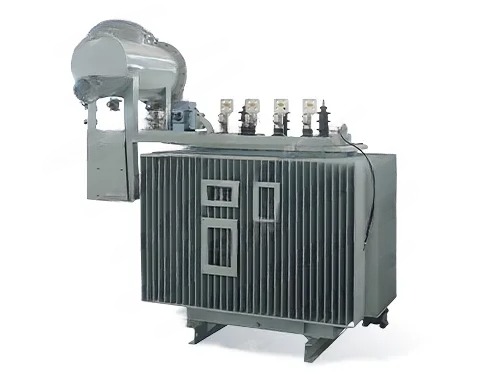
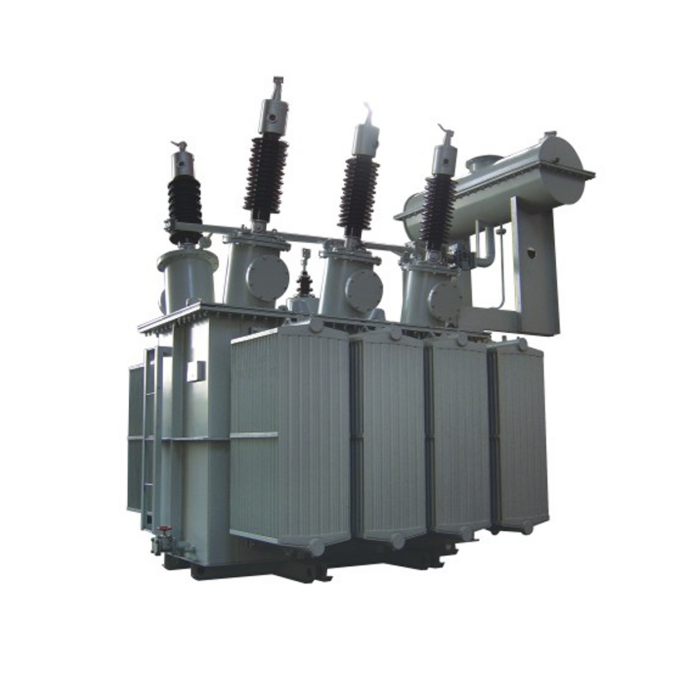
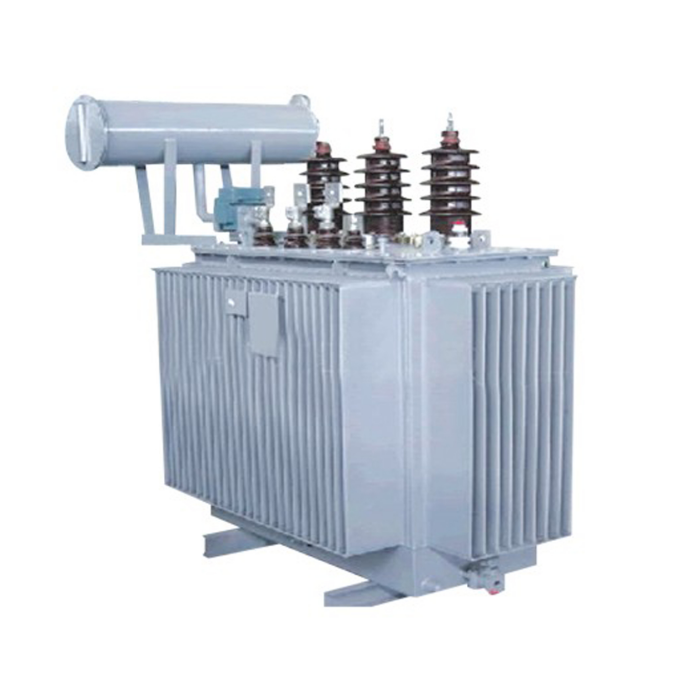
The S11 oil-immersed transformer features a three-phase, double-winding, oil-immersed structure. Equipped with high-purity oxygen-free copper windings, it possesses superior mechanical strength and short-circuit withstand capability, enabling it to better absorb the impact of heavy industrial loads.
For industrial projects requiring continuous, long-term operation, the equipment's operational stability is often considered more critical than its theoretical energy-saving metrics.
Heat Dissipation Capabilities Better Suited for Heavy Industry
The oil-immersed structure inherently offers excellent heat dissipation properties.
The S11 oil-immersed transformer utilizes insulating oil as its primary medium for both insulation and heat dissipation, allowing it to maintain a relatively stable operating temperature even under high-load conditions.
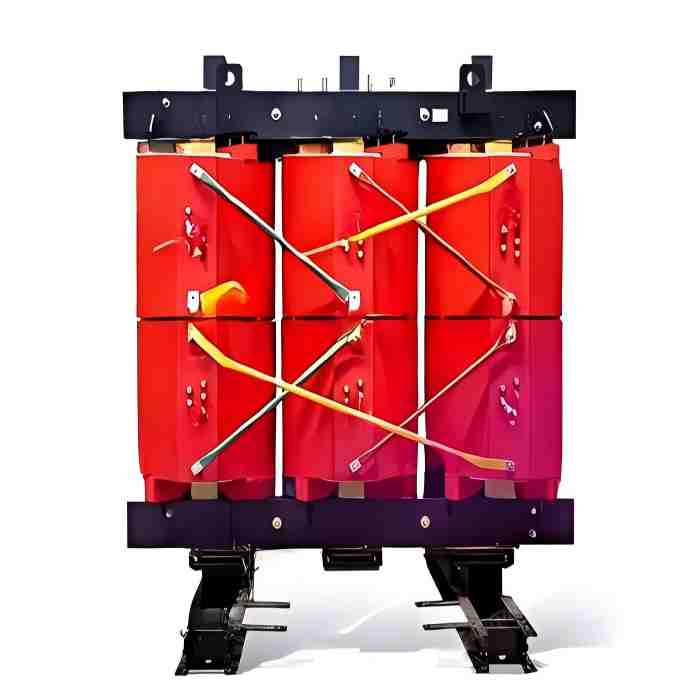
Compared to certain dry-type transformers, the oil-immersed structure typically demonstrates superior temperature rise control in environments characterized by high capacity, heavy loads, and prolonged continuous operation.
This is a key reason why many mines, ports, and large-scale industrial parks continue to prioritize oil-immersed solutions.
A More Mature Maintenance Ecosystem
For many industrial projects, the long-term cost of equipment maintenance is a critical consideration.
The S11 oil-immersed transformer is a product with a high degree of technological maturity; it benefits from a well-established maintenance framework, a stable supply of spare parts, and extensive operational track record.
Compared to some of the newer, high-efficiency alternatives, many EPC contractors prefer to select products that are technically mature and easier to maintain, thereby mitigating operational risks in the long run.
Why Do Many Customers Choose the S11 Over the S13?
While the S13 transformer does indeed offer certain advantages in terms of no-load losses, for many industrial projects, procurement decisions are not based solely on theoretical energy-saving figures.
More Reasonable Overall Procurement Costs
The S11 utilizes a mature silicon steel core structure and established manufacturing processes; consequently, its overall procurement cost is typically lower than that of the S13 or amorphous alloy alternatives.
For budget-sensitive projects, the S11 often represents a more cost-effective choice.
Balancing Energy Efficiency with Stability
Although the S13 boasts lower no-load losses, in many industrial settings—where equipment operates under load for extended periods—the actual energy savings realized are not as pronounced as theoretical data might suggest.
In contrast, many customers prioritize the equipment's long-term stability within complex operating environments, as well as the ease of maintenance.
This is particularly true in sectors such as mining, port operations, and remote industrial zones, where the production losses resulting from a single equipment failure often far exceed the electricity cost savings derived from theoretical energy efficiency gains.
Consequently, many projects tend to favor the S11 solution, which benefits from a proven operational track record and a lower failure rate.
Why Do Mining Projects Prefer Oil-Immersed Transformers?
In recent years, dry-type transformers have begun to be adopted in certain industrial settings; however, in large-scale mining and heavy industrial projects, oil-immersed transformers remain the more common choice.
The reasons for this preference primarily encompass the following aspects:
Superior Heat Dissipation Capability
The oil-immersed structure allows for more efficient removal of heat generated during operation, making it better suited for scenarios involving continuous, heavy-load operation.
Better Suited for High-Capacity Power Distribution Systems
In high-capacity medium-to-high voltage systems—specifically those rated at 35kV and above—oil-immersed transformers typically offer superior cost-effectiveness and operational stability.
Better Suited for Outdoor Environments
A significant amount of equipment in mines, ports, and industrial parks is required to operate outdoors for extended periods.
The tank of the S11 oil-immersed transformer is constructed from high-quality welded steel plates; it undergoes a rigorous treatment process involving acid pickling, phosphating, and multi-layer surface coating. This process endows the unit with excellent sealing properties and corrosion resistance, enabling it to withstand complex outdoor environmental conditions.
Of course, dry-type transformers do possess distinct advantages regarding indoor fire safety and ease of maintenance; nevertheless, for the majority of large-scale industrial projects, the oil-immersed solution remains the more prevalent choice.
What Transformer Faults Are of Greatest Concern in Industrial Projects?
For industrial users, the primary concern is not merely the physical damage to the equipment itself, but rather the production downtime and maintenance costs resulting from such faults.
Winding Short Circuits
Insulation aging, moisture ingress, or prolonged operation under overload conditions can all lead to winding short circuits.
In severe cases, this may trigger equipment burnout or even result in power outages.
Insulation Aging
In environments characterized by high temperatures, high humidity, and high dust levels, insulation materials are prone to aging after prolonged operation, thereby reducing the equipment's service life.
Core Overheating
Multiple-point grounding of the iron core or localized circulating currents can lead to localized overheating, further compromising the stability of the equipment.
Oil Leaks and Abnormal Oil Levels
In oil-immersed transformers, an oil leak not only impairs heat dissipation performance but may also degrade insulation integrity.
Consequently, the oil tank's sealing integrity and long-term corrosion resistance are of particular importance in industrial projects.
Cooling System Failure
If radiators become clogged or cooling efficiency declines, the transformer may be forced to operate at elevated temperatures for extended periods, accelerating insulation aging and diminishing its load-bearing capacity.
Precisely because industrial projects are more acutely concerned with these long-term operational risks, many clients prioritize the long-term reliability of the equipment—rather than focusing solely on initial technical specifications—when making procurement decisions.
Why is the S11 Oil-Immersed Transformer Capable of Adapting to Complex Industrial Environments?
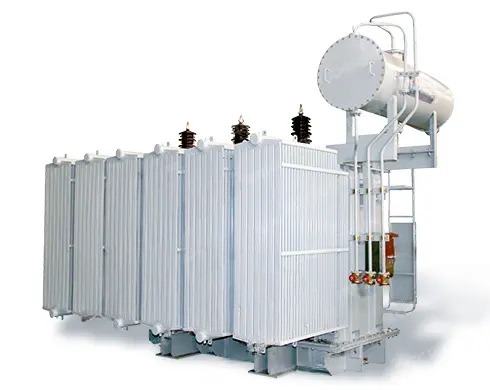
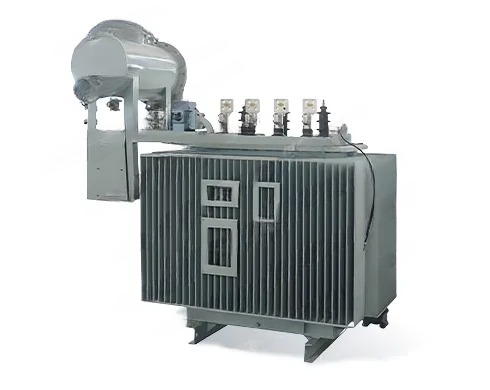
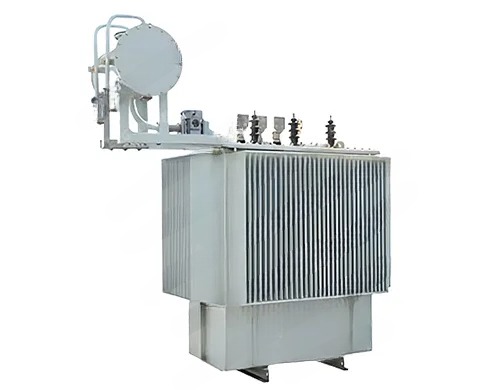
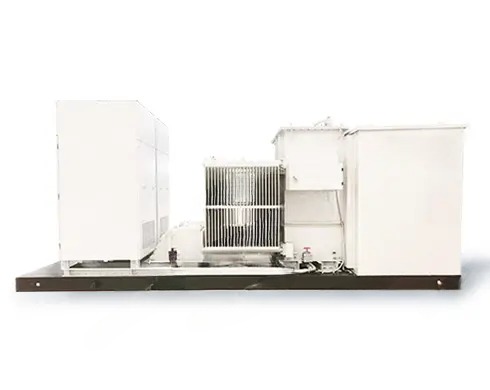
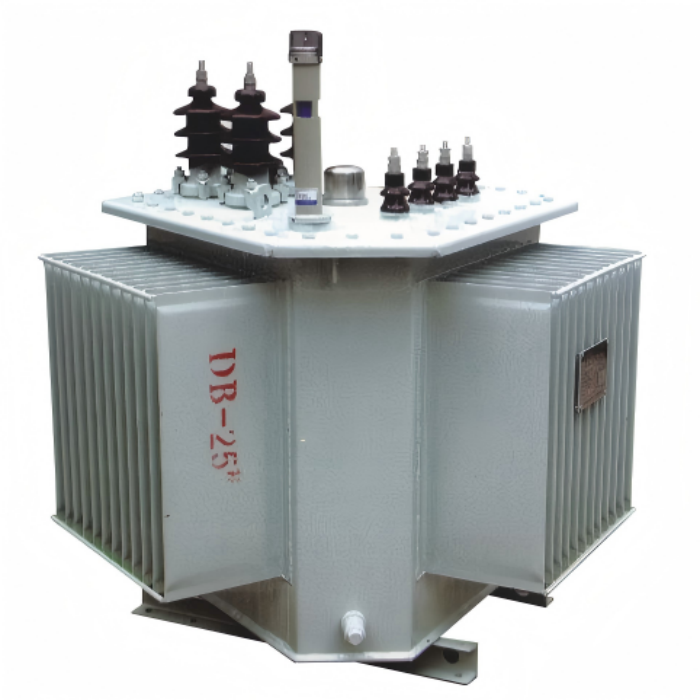
The S11-50–1600/35 series comprises three-phase, double-winding, oil-immersed distribution transformers featuring off-circuit tap changers. With a rated capacity range spanning 50 kVA to 1600 kVA, this series is designed to meet distribution requirements for both 35 kV high-voltage and 0.4 kV low-voltage networks.
This series utilizes a core constructed from high-quality cold-rolled grain-oriented silicon steel sheets. It employs a multi-step full-mitered, hole-free connection structure, which effectively helps to minimize no-load losses and reduce operational noise.
The windings are fabricated using high-purity oxygen-free copper, offering superior mechanical strength, dielectric strength, and heat dissipation capabilities.
Furthermore, the product supports mainstream connection groups—such as Dyn11 and Yyn0—enabling it to adapt to the diverse requirements of various industrial power distribution systems.
Currently, this product series has been widely deployed in the following applications:
35 kV Main Step-Down Substations
Wind and Solar Power Step-Up Substations
Mining Power Supply Systems
Port Power Systems
Metallurgy and Chemical Industries
Electrified Railway Hubs
Large-Scale Industrial Parks
Real-World Engineering Application Cases
In large-scale infrastructure and industrial projects, power supply stability is typically regarded as a critical priority.
For instance, major transportation hubs—such as Nanjing South Railway Station—and the supporting power systems for data centers in the Beijing-Tianjin-Hebei region have all imposed rigorous requirements regarding the long-term operational stability of medium-to-high voltage power distribution equipment.
Additionally, this product series from Tiantong has been exported to numerous countries—including Saudi Arabia, Iraq, Kazakhstan, Uzbekistan, Russia, Indonesia, Vietnam, and Nigeria—serving a diverse client base that encompasses EPC contractors, mining companies, and large-scale industrial enterprises.
FAQ
Is the S11 transformer suitable for long-term continuous operation?
Yes, it is. The S11 oil-immersed transformer features a structural design with excellent heat dissipation capabilities and high resistance to load shocks, making it ideal for scenarios requiring long-term continuous operation, such as mines and industrial parks.
Why do mining projects prefer oil-immersed transformers?
Mining projects typically involve heavy loads, extended operating hours, and—for the majority of equipment—outdoor environments. The oil-immersed design generally offers superior advantages in terms of heat dissipation, overload capacity, and adaptability to large-scale power distribution systems.
Which is more suitable for industrial projects: the S11 or the S13?
While the S13 holds a theoretical advantage in energy efficiency, the S11 is often better suited for many heavy industrial projects due to its advantages in procurement costs, ease of maintenance, and long-term operational stability.
What are the most feared transformer faults in industrial projects?
These typically include issues such as winding short circuits, insulation aging, cooling system failures, core overheating, and oil leakage.
Which industries are suitable for the S11 oil-immersed transformer?
It is widely utilized across various sectors, including mining, ports, metallurgy, chemicals, electric power, railways, new energy, and large-scale industrial manufacturing.
For mining, port, metallurgy, and large-scale industrial projects, a transformer is not merely a standard piece of power distribution equipment; it is critical infrastructure essential to ensuring continuous production and a stable power supply.
In many heavy industrial settings, factors such as long-term operational stability, heat dissipation capacity, short-circuit withstand capability, and overall procurement costs are often considered more critical than theoretical energy efficiency alone.
This is a primary reason the S11 oil-immersed transformer remains widely deployed in numerous industrial and mining projects worldwide.